E-Paper



Manipur Cabinet again approves convening of assembly session on Aug 29
The monsoon session of the Manipur assembly could not be convened on August 21 for the want of governor Anusuiya Uikey’s approval amid safety concerns of Kuki lawmakers

 Prefer HTon Google


The Manipur Cabinet late on Monday again approved the convening of the much-anticipated monsoon session of the state assembly on August 29, four days before the expiry of the deadline to hold it. It earlier gave the go-ahead for the beginning of the session on August 21 but the assembly could not be convened for the want of governor Anusuiya Uikey’s assent.
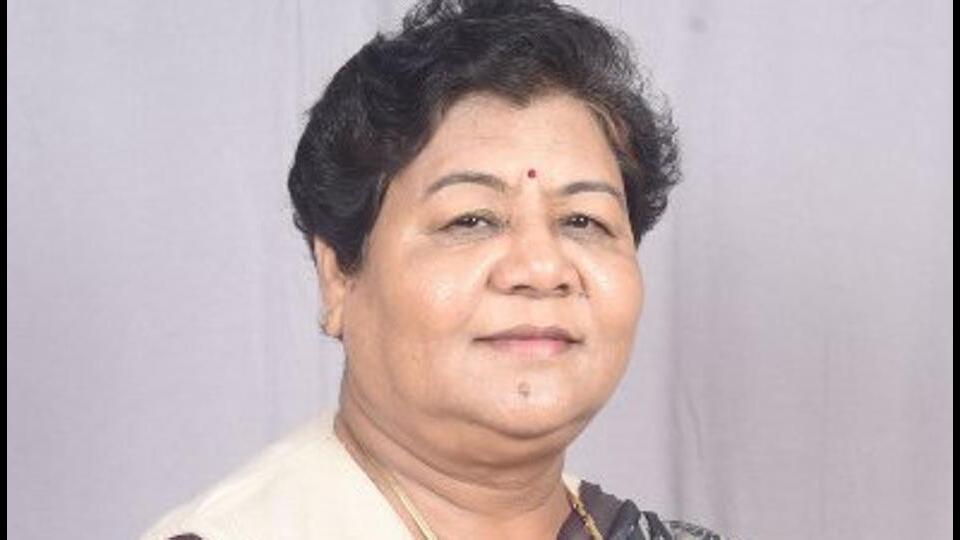
There was no word from Uikey’s office about why the approval has not been granted. People aware of the matter said it seems there are concerns about the law and order situation in Meitei-dominated Imphal. Ten Kuki lawmakers have also refused to participate in the session citing security concerns.
Manipur minister Sapam Ranjan Singh said after the session could not materialise on Monday, the Cabinet met later in the day and decided to convene it on August 29. “The assent from the governor has not come yet. But we are confident that it should happen on Tuesday. Once we get that, the session would be convened.”
The last assembly session was held from February 21 to March 3. The ethnic violence between the dominant Meiteis and Kuki that was triggered two months later on May 3 has left over 150 people dead and thousands displaced.
According to the Constitution’s Article 174, the gap between two assembly sessions should not exceed six months. The session as such should be held by September 2. The Bharatiya Janata Party (BJP)-led coalition government in Manipur wants to avoid a constitutional crisis in the absence of a session.
As per the Rules of Procedure and Conduct of Business of the Assembly for Manipur, the governor has to inform legislators at least 15 days before a session begins.
Singh cited provisions that allow a session at short notice. “Decisions regarding how long the session would be and what would be on the agenda would be decided by the business advisory committee of the assembly,” Singh said.
The rules say when a session is called at “short notice or emergently, summons may not be issued to each member separately but an announcement about the date and place of the session shall be published in the gazette and made in the press, and members may be informed by telegram.”
Seven ruling BJP lawmakers were among the 10 Kukis members of the 60-member House who expressed inability to take part in the assembly session citing fears about their safety in the Meitei-dominated Imphal Valley.
Manipur Congress chief K Meghachandra on Monday called it “unfortunate and unpardonable” that the state government failed in holding the assembly session. He added the state is headed for a constitutional crisis. “By not summoning the assembly, the government is depriving the rights of lawmakers as we cannot ask questions and we cannot have proposals for resolutions. Democracy is being murdered in Manipur.”
Opposition parties, including Congress and Meitei organisations, have been demanding the convening of a special assembly session to address the ongoing violence.