E-Paper



NIA probes suspected Maoist links in loot of gelatin sticks in Odisha
The loot site is barely two km from the Maoist hotbed of Saranda forest in West Singhbhum district of Jharkhand.


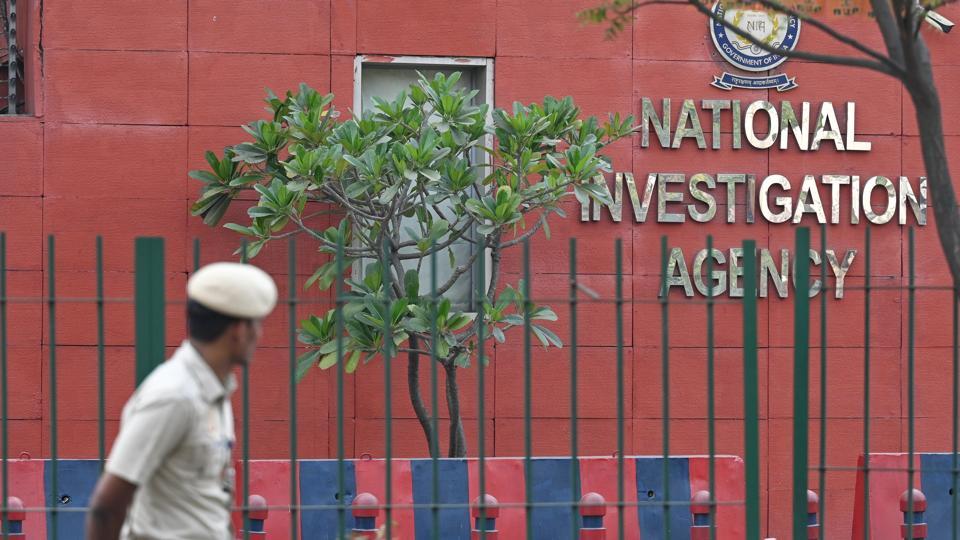
A DIG-led three-member team from the National Investigation Agency (NIA) on Thursday started a probe into the theft of around 1.5 tonne of gelatin sticks from a truck on the Odisha-Jharkhand border by suspected Maoists on May 27 (Tuesday).
Around 9.30 am on Tuesday, eight armed people rounded up the explosives-laden truck near a forested stone quarry at Banko within K Balang police limits, more than 90km from Rourkela, and drove the vehicle to a nearby forest where they unloaded the explosives and let the truck driver go.
The driver, Debnath Toppo, told the police that another 10-15 people waiting inside the forest then looted at least 150 packets of explosives, each weighing 15-25 kg. The loot site is barely two km from the Maoist hotbed of Saranda forest in West Singhbhum district of Jharkhand.
Odisha police officials, who interrogated Toppo and owner of the stone quarry, Niraj Pandey, said it is almost certain that Maoists looted the gelatin sticks.
“From our investigation, it is certain that Maoists from Saranda forest did it. The gelatin sticks can be used as IED if there are enough detonators with them. That’s why NIA has started probing the loot,” a senior police official of Rourkela said.
Rourkela and Sundargarh districts are not on the SRE (Security Related Expenditure) list of the Union home ministry anymore due to lack of Maoist activities for a long time. There have also been no anti-Maoist operations lately in the two police districts that are close to the southern side of Saranda forests.
In 2009, when the Maoist violence was at its peak in the region, the rebels looted an explosives-laden vehicle from Champajharan forest within the Chandiposh police limits. Subsequently, some packets of explosives were found buried inside the Saranda forest.
Officials said the loot could be the retaliation by Maoists for the killing of several of their top commanders, including general secretary Basavaraj, in Chhattisgarh’s Narayanpur last week.
“The amount (of gelatin sticks) that they have looted is a lot for them to carry around. Besides, they normally burn down the vehicles after looting, which they have not done in this case. We are working closely with the NIA team,” the official said.
In April 2009, Maoists had looted about 25 tonne of explosives, including ammonium nitrate and detonators, from a Nalco warehouse manned by CISF jawans. Eleven CISF jawans were killed in the attack.