
 E-Paper



Odisha brings out guidelines for geriatric care training
In 2011, Odisha had 39.8 lakh persons aged 60 years and above, constituting 9.5% of its total population, which is higher than the national average of 8.6%. By 2031, this number is expected to rise to 17 %


With its elderly population percentage higher than national average and the number of them rising to approximate 80 lakh people by 2036, the Odisha government has brought out a comprehensive guideline for training and capacity building programme to create a pool of skilled geriatric caregivers in the state.
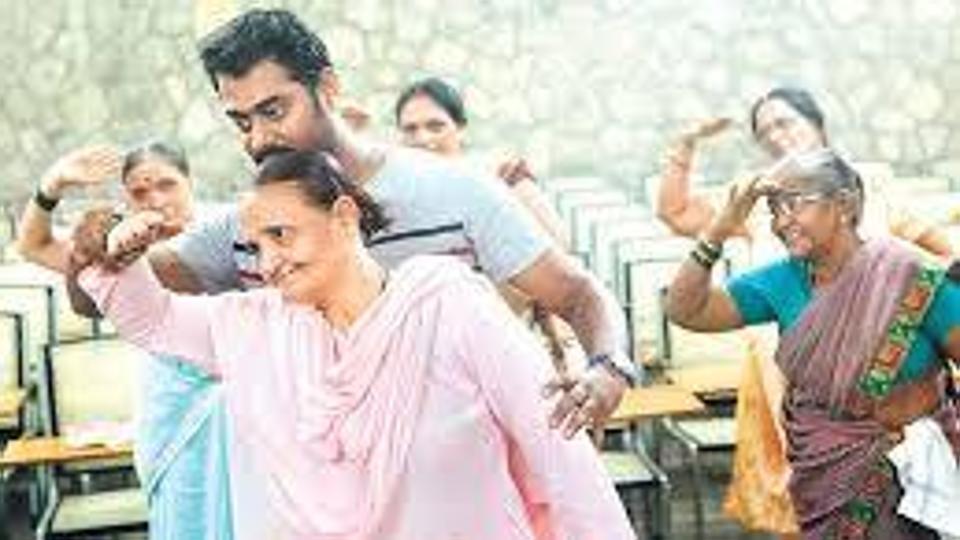
The department of social security and empowerment of persons with disabilities in a resolution said the three-month training programme for the caregivers will address the deficit between the need of geriatric homecare and availability of homecare service providers.
“Training of youth, widows, and single women in geriatric care giving will develop their skill and create a pool of caregivers for the elderly who are in need of such services, will provide the invaluable assistance to the needy elders in attending to the activities of daily living and thus improve quality of life of both the elderly and the caregivers,” the resolution said.
A senior official of the department said, “With increasing life expectancy and reduction in mortality rate, the elderly are the fastest growing population segment in India. With more than 100 million people aged above 60 years, the country is facing the challenges of how to effectively address the needs and problems faced by them. In 2011, Odisha had 39.8 lakh persons aged 60 years and above, constituting 9.5% of its total population, which is higher than the national average of 8.6%. By 2031, this number of elderly people is expected to rise to 17 % of the total population.”
The department officials said the courseware would include body system, functions and related problems in elderly, mental health issues/ concerns in elderly, communication, empathy and companionship, infection and control, nutrition, positions, comfort devices and assistive devices and caring procedures.
The National Institute of Social Defence (NISD) would be the nodal agency for organising the programmes for skilling geriatric caregivers. Similarly, ABADANA, the state scheme for welfare and protection of senior citizens also has a programme component of training of caregivers under which support will be provided to organisation for capacity building training programmes for caregivers, workers of old age homes and day care centres etc.



