E-Paper



Orissa HC dismisses habeas corpus plea, fines husband ₹5,000 over false claims
Calling it a fit case for exemplary action, the high court dismissed the petition and directed the petitioner to deposit ₹5,000 as fine.

 Prefer HTon Google


The Orissa high court has dismissed a habeas corpus petition filed by a man against his father-in-law, holding that the plea was a misuse of the extraordinary constitutional remedy to pursue a matrimonial dispute, and imposed a cost of ₹5,000 on the petitioner.
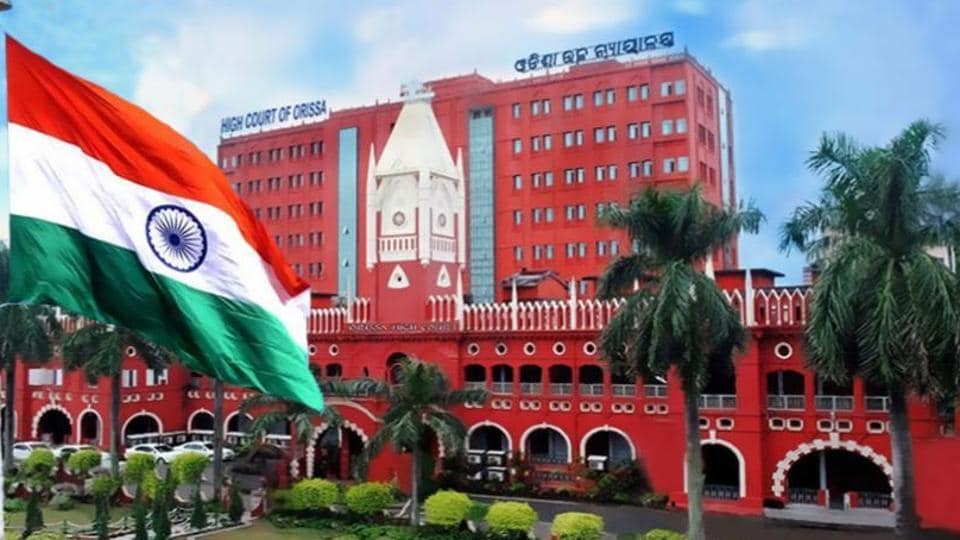
Dismissing the petition, a division bench comprising chief justice Harish Tandon and justice Chittaranjan Dash observed that the writ had been filed to “settle personal matrimonial scores” and that the petitioner had attempted to create an “illusory cause of action” through “clever legal craftsmanship.” The order, pronounced on Monday, was uploaded on the high court portal on Wednesday.
The case arose after the man alleged that his wife had been wrongfully confined by her father and sought her appearance before the court through a habeas corpus petition. However, the bench noted that official records and the state’s submissions painted a different picture.
According to the order, the couple had been facing marital discord, following which the woman left the matrimonial home and stayed with her father. During the police inquiry into a missing diary entry and an FIR registered in the matter, she met her husband at the police station but categorically refused to accompany him. She also expressed her desire to stay at a Swadhar Gruh, a short-stay home, indicating that her decision to stay away from her husband was entirely voluntary.
The court held that the petitioner was fully aware that his wife did not intend to live with him and yet instructed his lawyer to invoke the extraordinary remedy of habeas corpus by alleging unlawful detention.
“She is, admittedly, living with her parents voluntarily and therefore, the allegation of being put in wrongful confinement and/or illegal detention is completely ruled out,” the bench observed, adding that such litigants should not be allowed to “steal the march by freely walking on the corridor of the Court.”
Calling it a fit case for exemplary action, the high court dismissed the petition and directed the petitioner to deposit ₹5,000 with the State Legal Services Authority within a week. The amount will be earmarked for the welfare of juveniles.