
 E-Paper



‘Poor work’: Contracts of 20 retired officials terminated
According to officials, the extension process concluded on December 31. Of the retired officials reviewed, 20 were denied extensions, while around 15 were granted extensions after their work was found to be “satisfactory”.

 Prefer HTon Google


The Gurugram Metropolitan Development Authority (GMDA) has decided not to further extend the employment contracts of 20 retired officials who were hired as experts, citing age restrictions and unsatisfactory performance, officials said on Thursday.
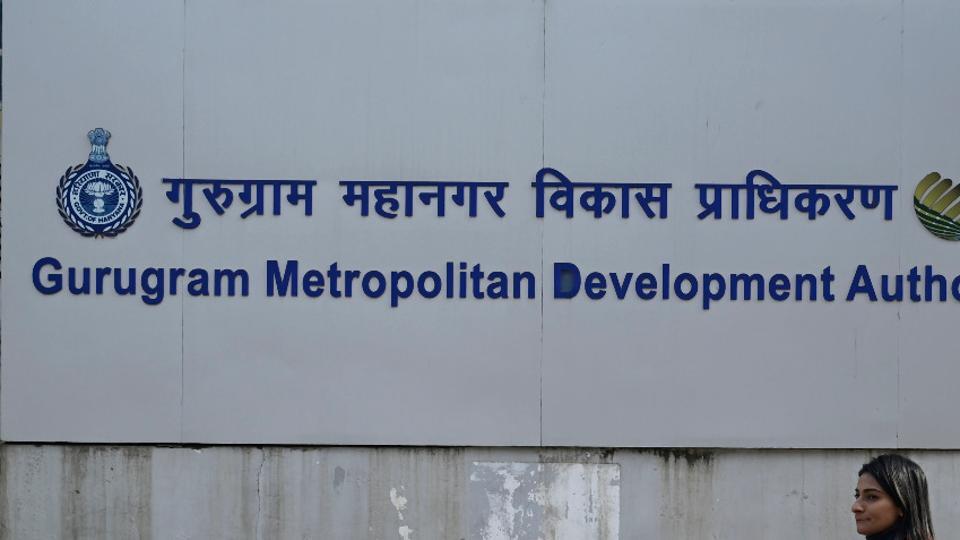
GMDA chief executive officer P.C. Meena said the authority had reviewed the performance and tenure of all retired officials engaged on contract, and found that several of them did not meet the required benchmarks.
“The extensions were not granted after conducting a detailed assessment. One major criterion was age — officials above 65 years were not considered due to their feedback and working style. The second was performance. Many did not make any significant contribution, and feedback from multiple sources was not satisfactory,” Meena said.
According to officials, the extension process concluded on December 31. Of the retired officials reviewed, 20 were denied extensions, while around 15 were granted extensions after their work was found to be “satisfactory”.
Meena said the decision was driven by the need to bring new energy into the organisation. “GMDA requires fresh thinking and faster execution. We want to bring in new people with new energy rather than continue with long-term contractual extensions that do not add value,” he said, adding that retired officials were originally engaged to plug immediate gaps, not as a permanent substitute for regular staffing.
The decision comes months after HT, in an October 24 report, highlighted criticism faced by GMDA over its move to hire retired engineers and officials on contract. At the time, GMDA officials had declined to comment on concerns raised by residents and civic groups.
data available on GMDA’s website had shown that out of 64 listed officials, 34 were retired, with at least 10 above the age of 65 and some nearing 70. The dependence on retirees had triggered questions about accountability, efficiency and missed opportunities for young engineers, especially in Gurugram and Faridabad — two of Haryana’s highest revenue-contributing districts.
Civic activists have long argued that while retired officials can be useful in advisory roles, placing them in operational positions weakens institutional accountability. “Experience is important, but performance and responsibility matter more. When retired officials hold operational posts, it becomes difficult to fix accountability,” said Praveen Malik, president of the United Association of New Gurugram, who hasraised the issue with the state government.
Officials said the authority would now reassess its staffing requirements and explore fresh contractual and regular appointments to strengthen departments handling roads, water supply, drainage and horticulture. “Our objective is performance-driven administration. Extensions will not be routine; they will be strictly merit-based.”


