
 E-Paper



BJP agitation in Sasaram today to ‘free’ Ashokan inscription turned into a ‘Majar’ in 2005
Samarat Chaudhary, a former minister and currently the leader of opposition in the Legislative Council, who has announced the agitation, said in a statement that the site was captured and locked by members of the Muslim community, who were not willing to relent despite repeated letters from the ASI since 2005.


The opposition Bharatiya Janata Party (BJP) in Bihar has announced an agitation here on October 1 to “free” the 3rd century BCE Ashokan rock inscription near Sasaram, an ASI-protected mounment which was allegedly taken over by the local Muslim community members in 2005 and turned into a “shrine”.
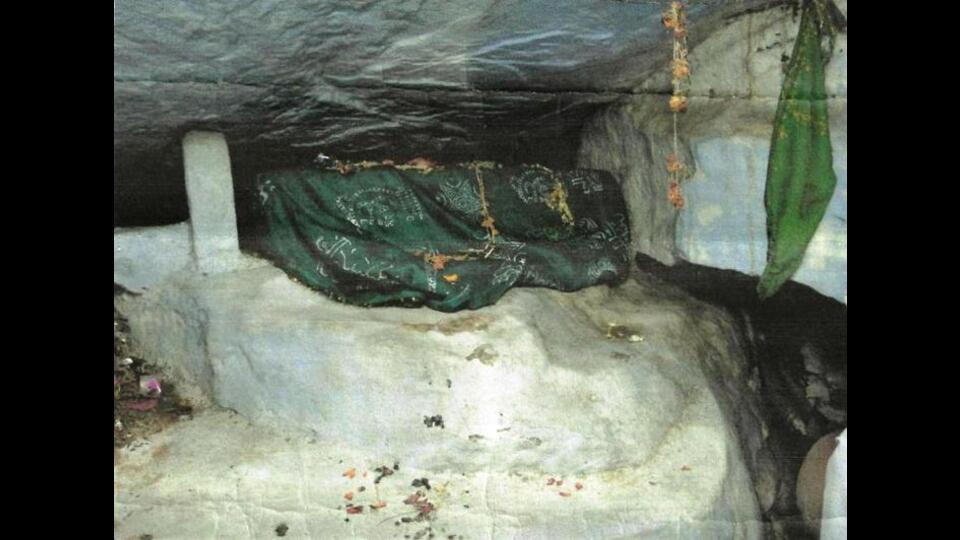
Samarat Chaudhary, a former minister and currently the leader of opposition in the Legislative Council, who has announced the agitation, said in a statement that the site was captured and locked by members of the Muslim community, who were not willing to relent despite repeated letters from the ASI (Archaeological Survey of India) since 2005.
Asked why the BJP, which has been part of the state government for most of the duration since 2005, did not act earlier, Chaudhary said, “Nitish Kumar was the chief minister and the home minister. If it was not freed before, it will be freed now. We will fight for justice.”
Chaudhary belongs to the Kushwaha community, which constitutes more than six per cent of Bihar’s population. The community believes its roots lie in the Mauryan dynasty and celebrates the anniversary of Emperor Ashoka the Great with much fanfare on April 14, which was declared a state holiday by the state government in 2016.
It is believed that Lord Buddha, during his first visit to Sarnath after attaining enlightenment in Bodh Gaya, had spent a night at this cave where Ashoka made the inscription.
The inscription of Mauryan ruler Ashoka (272-232 BC), situated in a cave on Ashoka Pahari (now called Ashik Pahari), three kilometres south of Rohtas district headquarters town Sasaram, has great historical and archaeological importance. It was acquired by ASI and declared a nationally protected monument on December 1, 1917.
The inscription is among 18 minor rock edicts of Ashoka spread over the country, according to Dr Shyam Sundar Tiwary, researcher and expert on Sone valley civilization.
Noted historian Dr Parmeshwari Lal Gupta, in his work “Prachin Bharat Ke Pramukh Abhilekh”, has also written about the importance of this inscription.
In 2005, some local Muslim community members allegedly locked the entrance gate of the cave after covering the inscription with a “green cloth” and declaring it a Mazar (shrine). ASI officials said that since then, they have repeatedly requested the Rohtas district administration through several letters for removal of encroachment, to no avail.
In July 2018, the then district magistrate of Rohtas, Pankaj Dixit, had held a meeting with representatives of the local Muslim community to persuade them to hand over the cave to ASI.
“But the cave could not be freed and handed over to the ASI due to reasons known best to the authorities,” Dr Tiwary said.
When contacted for his response, GM Ansari, the “custodian” of the “Mazar”, said he was headed for Mecca and could not speak on the subject before his return after one month.
Vasant Kumar Swarnkar, a director at the ASI and its national spokesperson, said, “We have been writing to the Rohtas district administration since 2005 about the encroachment and requesting to hand over its keys for proper conservation of the important rock inscription, to no avail.”
Stay updated Bihar Lok Sabha Result and with all the Breaking News and Latest News from Bengaluru. Click here for comprehensive coverage of top cities including Delhi, Mumbai, Hyderabad, and more across India . Stay informed on the latest happenings in World News.


