
 E-Paper



In Bihar, ‘Kamalam’ has been helping farmers earn a decent livelihood for years now
Farmers willing to put in ₹6-8 lakh as one-time initial investment , are easily earning ₹8-10 lakh per annum from a hectare of land in Kosi and Seemanchal areas of Bihar

 Prefer HTon Google


The dragon fruit may have grabbed the nation’s attention after being renamed ‘Kamalam’ by Gujarat chief minister Vijay Rupani, but the low-calorie fruit has been helping farmers in Bihar earn a decent livelihood for years now.
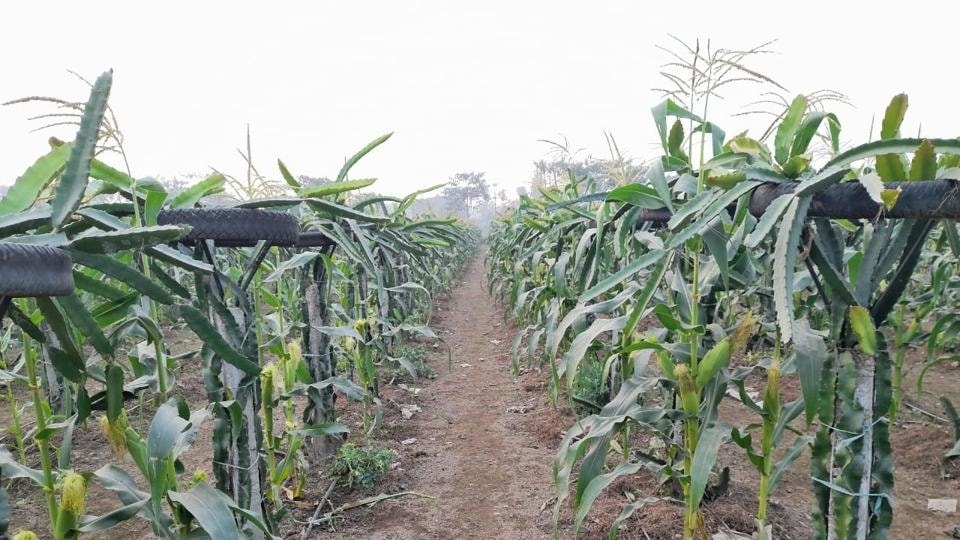
Farmers who are looking to try something new, and are doing away with traditional farming, are easily earning ₹8-10 lakh per annum with a one-time initial investment of ₹6-8 lakh on a hectare of land in Kosi and Seemanchal areas of Bihar.
Also read | Gujarat govt decides to rename dragon fruit as ‘Kamalam’
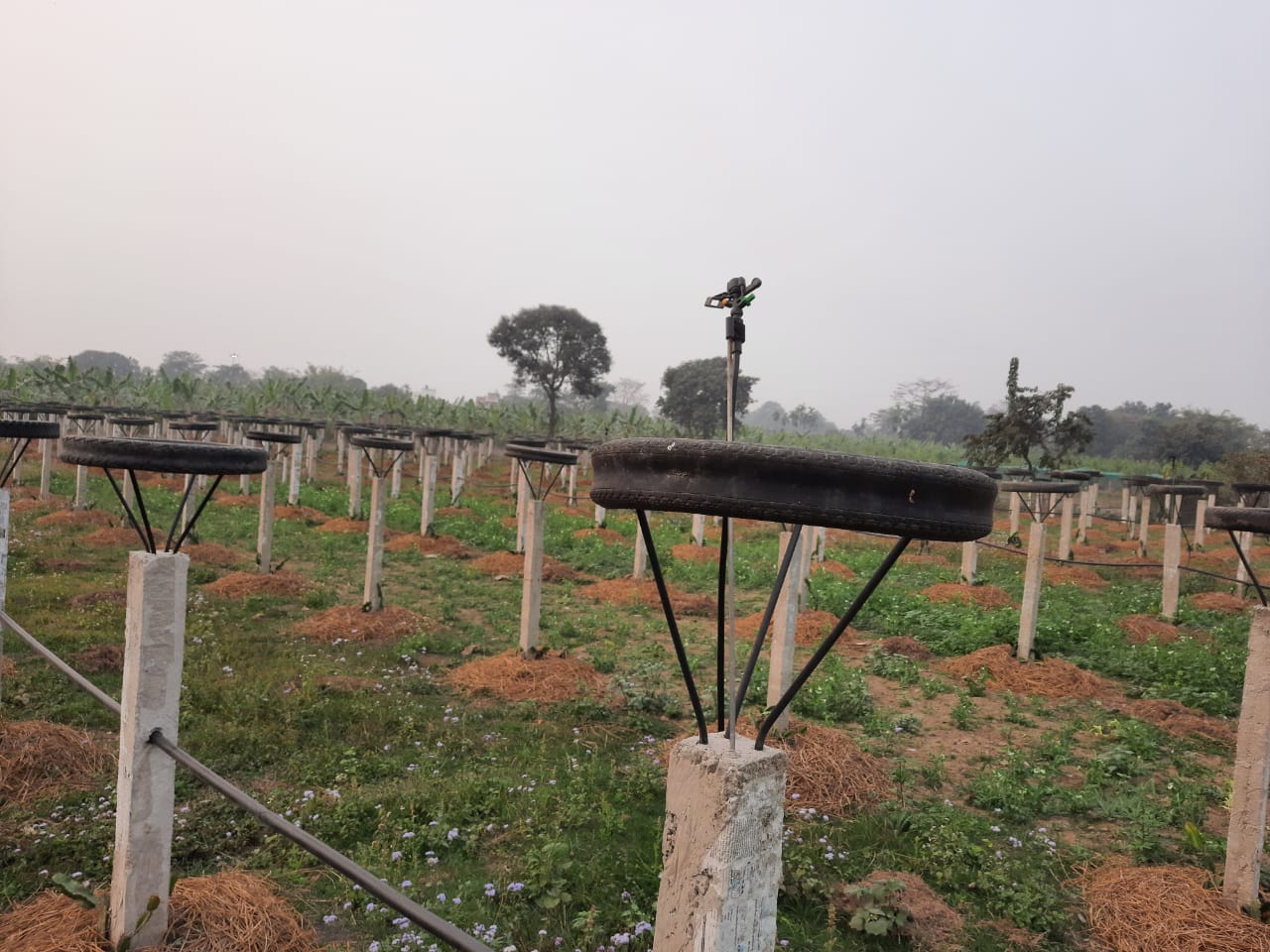
It all started in 2014. Kishanganj Krishi Vigyan Kendra (KVK) horticulture scientist Hemant Kumar Singh has the story. “The success story of dragon fruit cultivation in Kishanganj dates back to 2014, when an enterprising farmer, Nagraj Nakhat, brought about 500 saplings from Singapore. Initially, he tried with 100 plants which have grown to 15,000 to 20,000 full grown plants on about five hectares of land. The initial investment on a hectare of land is ₹6-8 lakh which is required for construction of 5-foot barge polls, tyre rings and farm equipment for drip agriculture. After a three-year gestation period, the investment starts paying and farmers easily earn ₹8-10 lakh per annum.”
Singh, who has been assigned the task of spreading awareness and guiding the farmers about the dragon fruit in Kishanganj and adjoining districts, said farmers from nearby districts, including Purnia, Supaul and Araria, frequently enquire about the method of dragon fruit cultivation and they have started growing it at their places. “In Kishanganj alone, the dragon fruit is grown on about 12 acres of land and farmers of Kosi and Seemanchal districts are trying it in their districts,” he said.
“Initially, farmers faced problems in selling their produce, but now the system has been streamlined and buyers from Siliguri in West Bengal come to pick up the fruits. On an average, the fruit sells at ₹300-400 per kg,” he said.
Farmer Nagraj, who brought the fruit to the area, said, “In case of traditional crops, many processes were involved and you have to rely on the minimum support price (MSP) to sell your produce. In dragon fruit cultivation, I am unable to meet the demand of even the local market. The government should encourage the farmers with subsidies and providing technical know-how.”
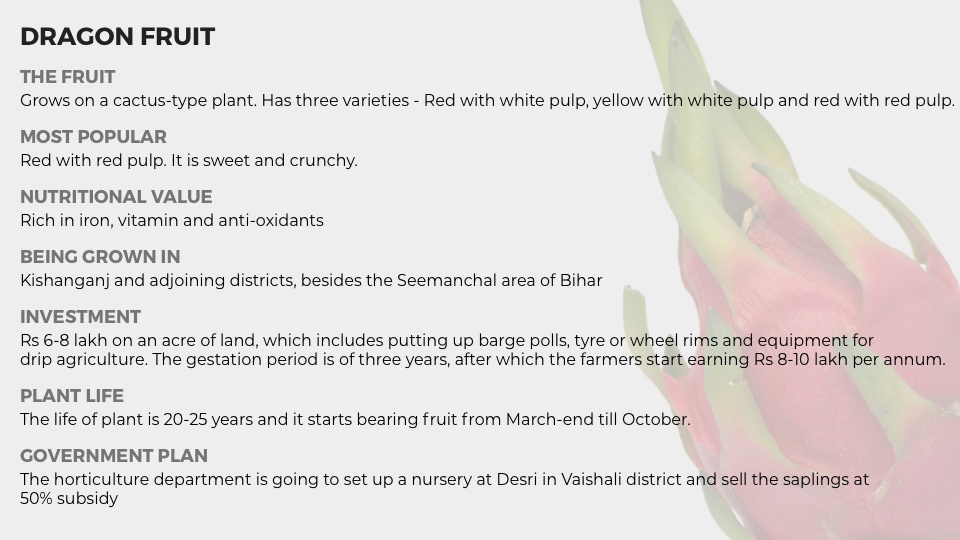
The KVK has set up a 500 sq mt field to demonstrate to farmers how the dragon fruit crop is grown and its varieties. “The most popular variety is the red fruit with red pulp,” Singh said.
“The Bihar Agriculture University, Sabour, has posted a video on method of growing dragon fruit, which has been widely viewed by farmers,” said BAU, acting vice-chancellor, RK Sohane.
Elaborating on the government’s scheme to encourage cultivation of the dragon fruit, deputy director, horticulture, Rakesh Kumar, said, “From this year, we are preparing saplings of dragon fruit on 0.4 acre land at our centre of excellence (CoE), at Desri in Vaishali district. The saplings will be provided to farmers at 50% subsidy i.e; at ₹20 per plant.” He added that after its success in Kishanganj, the government was focusing on area expansion of the crop. “We will also popularise its cultivation in south Bihar,” he said.


