
 E-Paper



Rain deficit stalls paddy transplantation in Bihar’s Kishanganj district
Government data shows that Kishanganj received a total of 310.26mm rainfall in June which is 42% of last year’s rainfall during the same period --the district recorded 725.11mm rainfall in June 2020


Bihar’s Kishanganj district is known for heavy rains. However, a huge rain deficit this year has environmentalists and farmers worried.
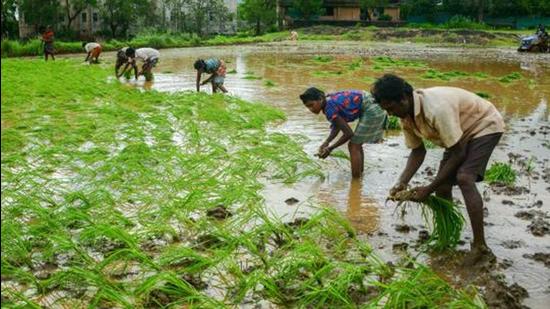
Government data shows that Kishanganj received a total of 310.26mm rainfall in June which is 42% of last year’s rainfall during the same period--the district recorded 725.11mm rainfall in June 2020.
“This year, monsoon arrived earlier but the deficit rainfall in Kishanganj is not a good sign,” environmentalist TN Tarak said, adding, “We can overcome the deficit of rains through plantation drive.”
Also Read | Chirag Paswan dials Lalu Prasad, revives family links
Farmers are worried about the adverse effects of deficit rainfall during the peak season of paddy transplantation. “It is not possible to plant paddy without rains,” 55- year-old farmer of Kochadhaman Md Imtiyaz Alam said.
“We are still waiting for rains so that we can ensure a timely transplant of our paddy,” Kumar Ashish Ranjan, a farmer of Tulsiya village under Bahadurganj block of the district, said.
Reports from various areas of the district suggest very few farmers had done paddy transplantation till June. Against 83,000 hectares of the coverage area, transplantation had been done on only 5,340 hectares till June.
Rain deficit is also reported from other districts of Seemanchal where over 90% people depend on agriculture. Seemanchal, comprising the districts of Araria, Purnia, Katihar besides Kishanganj, has a population of over 12 million.
Stay updated Bihar Lok Sabha Result and with all the Breaking News and Latest News from Bengaluru. Click here for comprehensive coverage of top cities including Delhi, Mumbai, Hyderabad, and more across India . Stay informed on the latest happenings in World News.


