
 E-Paper



Bhimashankar temple in Pune won’t reopen during Mahashivratri over safety concerns
Pune collector Jitendra Dudi said the decision was taken after a fresh review of the pace, scale and safety implications of the construction work underway at the complex

 Prefer HTon Google


The Bhimashankar temple will remain closed to devotees during the Mahashivratri period this month, the Pune district administration said on Sunday, reversing its decision to open the shrine complex, currently under renovation, for a week beginning February 12 for Mahashivratri .
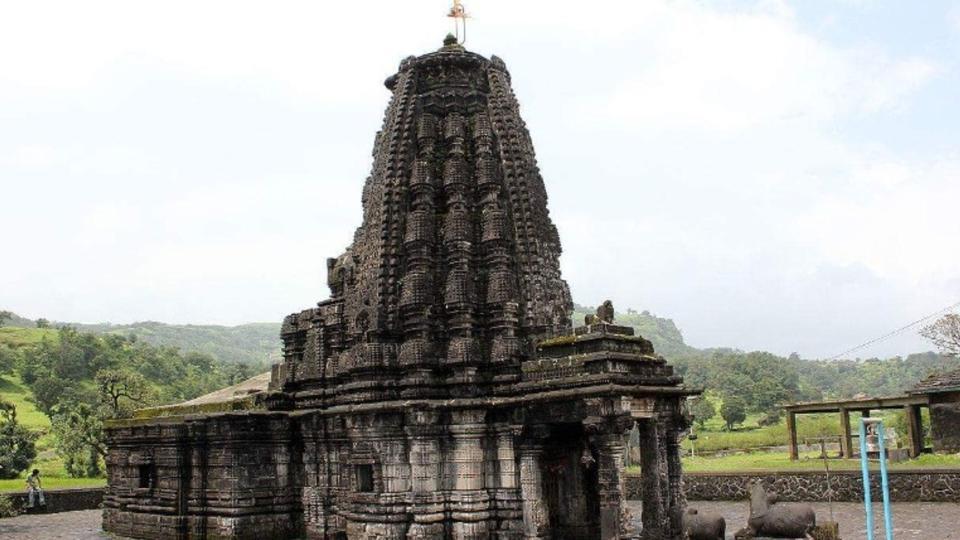
Pune collector Jitendra Dudi said the decision was taken after a fresh review of the pace, scale and safety implications of the construction work underway at the temple complex, which is being upgraded as part of preparations for the Simhastha Nashik Kumbh Mela in 2027.
“The nature of the construction, the presence of large stone blocks, heavy machinery and building material in the temple premises, and the volume of devotees expected during Mahashivratri make it unsafe to allow darshan during this period,” Dudi said.
The administration had earlier announced that the temple complex would be opened to devotees from February 12 to February 18. However, construction at the site hasn’t progressed as quickly as planned.
The Bhimashankar temple, one of the 12 Jyotirlingas, is being redeveloped under the Shri Kshetra Bhimashankar Development Plan as part of preparations for Kumbh Mela 2027.
The plan aims to upgrade infrastructure to safely handle a massive influx of pilgrims, especially during the Nashik Kumbh Mela, when a large number of devotees visiting Nashik–Trimbakeshwar are also expected to travel to Bhimashankar.
Officials estimate that the shrine could see up to 100,000 devotees daily during peak periods.
As part of the redevelopment, a new assembly hall is being constructed, along with improved entry and exit routes, stairways, and other crowd-management facilities.
Officials said keeping the temple open during construction was not feasible because large stones and construction materials are currently stored within the temple precincts. “From a safety perspective, allowing darshan amid active stonework and heavy movement of material would be extremely risky,” Dudi said.
The administration also cited Bhimashankar’s geography and weather conditions. The region experiences very heavy rainfall from June to September, making construction impossible during the monsoon. As a result, officials are racing to complete critical infrastructure work within the limited available window before the rains set in.
“In order to complete the development works within the stipulated timeframe and ensure long-term safety and convenience for devotees, accelerating the current phase of construction is essential,” Dudi said.


