
 E-Paper



City-based Raintree Foundation to train locals to stop wildfires in Velhe Taluka
In an attempt to stop incidents of wildfire in Velhe taluka, a biodiversity hotspot and a UNESCO World Heritage Site, city-based Raintree Foundation will start training locals from nine villages in Velhe taluka


In an attempt to stop incidents of wildfire in Velhe taluka, a biodiversity hotspot and a UNESCO World Heritage Site, city-based Raintree Foundation will start training locals from nine villages in Velhe taluka.
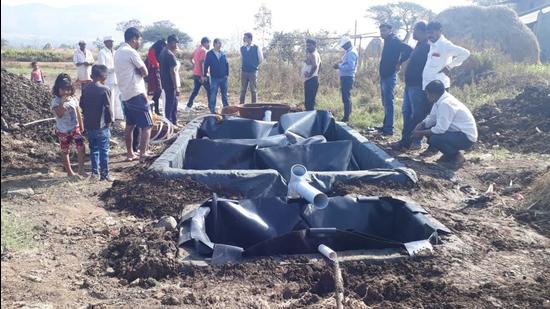
Under various initiatives, the NGO is also mapping the biodiversity of the area with the help of the forest department.
Western Ghats is home to over 5,000 species of flora, 139 species of fauna, and over 500 species of birds. Along with the workshop, the foundation has also been actively working on mapping the biodiversity of the area. In order to reduce the burning of wood, the foundation has worked on a biogas plant in the area making the villagers sustainable.
Speaking on the occasion of World Forest Day (March 21), Leena Dandekar, founder, Raintree Foundation said that the foundation is working in one of the most critical forest landscapes of western ghats.
“Under our sustainable landscape program various community-led projects are being implemented to protect forests in a cluster of nine villages of Velhe block. Creating a continuum of forests is a way to ensure sustainable development of the landscape. The interconnectedness of all the forest ecosystems on the earth only can ensure climatic stability of the planet,” said Dandekar.
She further added that the forests provide numerous ecosystem services which are the backbone of survival for wild species.
“Interdependencies within an ecosystem need to be understood, especially the role of forests for providing water, air, and other natural resources on which rural agrarian communities depend. The forests provide essential resources which directly and indirectly have flourished the life and livelihoods of rural communities,” said Dandekar.
Asha Bhong, Assistant Conservator of Forests (ACF), Bhor sub-division said that through the biodiversity initiative, ground forest workers are able to understand forests and components of the ecosystem.
“It gave them scientific in-depth knowledge. This young forest staff will work in Velhe taluka for many coming years therefore this knowledge is important for them in the process of conserving forests,” said Bhong.
Manisha Rasal, a villager from Ghawar in Velhe Taluka said that till now we were working on the wood-burning stove.
“Everyone in the house was affected by the smoke. The children were at risk of fire while playing around but now the biogas has changed our lives. It starts quickly with the push of a button. There is no smoke. This is a big help for us,” said Rasal.


