
 E-Paper



Maha panel revives hopes for original Pune-Nashik rail alignment
Maharashtra government has set up a four-member expert committee to re-examine the original alignment of Pune-Nashik semi high-speed rail corridor

 Prefer HTon Google


Pune: The Maharashtra government’s decision on Wednesday to set up a four-member expert committee to re-examine the original alignment of the Pune-Nashik semi high-speed rail corridor has revived hopes that the long-delayed project could return to its initially proposed route through Chakan, Narayangaon, Sangamner and Sinnar instead of the revised alignment via Shirdi and Ahilyanagar.
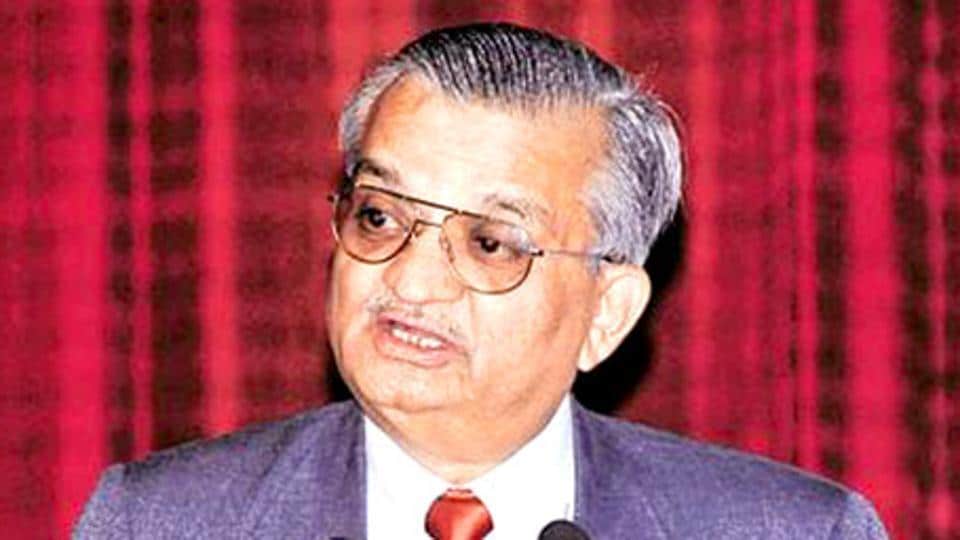
The committee, headed by former Atomic Energy Commission chairman Anil Kakodkar, has been tasked with examining whether the original alignment can be retained without affecting the functioning of the Giant Metrewave Radio Telescope (GMRT) at Khodad near Narayangaon — the key reason cited by the railways for abandoning the original route.
Constituted by the state transport department on the advice of chief minister Devendra Fadnavis, the panel also includes railway board (infrastructure) member Vivek Gupta, Pune divisional commissioner Sheetal Teli-Ugale and Nashik divisional commissioner Praveen Gedam. It has been given two months to submit its report.
The committee will examine the impact of rail operations on the GMRT and assess whether the original alignment, or a modified version of it, can be adopted without compromising the observatory’s scientific work.
The move comes weeks after union railway minister Ashwini Vaishnaw announced that the detailed project report (DPR) for the revised alignment via Ahilyanagar and Shirdi is ready, effectively shelving the original 235-km corridor because of concerns over electromagnetic interference with the GMRT.
The revised alignment triggered strong opposition from public representatives and industries in Pune, Nashik and Ahilyanagar, who argued that bypassing Sangamner, Narayangaon, Manchar and Chakan would dilute the project’s economic benefits and increase travel distance.
Several legislators have since urged Fadnavis to persuade the railways to reconsider the original alignment. Nashik MLC Satyajeet Tambe had raised the issue in the legislative council earlier this year, while BJP minister Radhakrishna Vikhe Patil had led a delegation of legislators to seek restoration of the original route.
Welcoming the state’s decision, Shirur member of Parliament Amol Kolhe said that there are several examples globally where radio telescopes and railway lines coexist. “The railways and the state government must find a scientific solution instead of abandoning the original alignment. The project should proceed on the route originally planned,” he said.
Former revenue minister Balasaheb Thorat said that the previous Maha Vikas Aghadi (MVA) government had already spent nearly ₹600 crore on land acquisition for the original corridor in Pune, Sangamner and Sinnar. “The sudden decision to alter the alignment came as a surprise. The state should impress upon the Centre to restore the original route,” he said.
Meanwhile, Tambe said that the residents of Sinnar, Sangamner, Narayangaon and Manchar will hold a chakka jam agitation on August 9 as scheduled, demanding that the project be restored to its original alignment.


