
 E-Paper



Mayor faces backlash over Ganeshotsav remark; says comments were taken out of context
The controversy comes a day after representatives of Ganesh mandals opposed restrictions on DJs and sound systems at a preparatory meeting with PMC

 Prefer HTon Google


Pune mayor Manjusha Nagpure faced backlash from citizens and environmental activists after a post on X saying Ganesh mandal workers in the city would “not face any trouble” during the upcoming Ganeshotsav was interpreted by some as support for unrestricted DJ use.
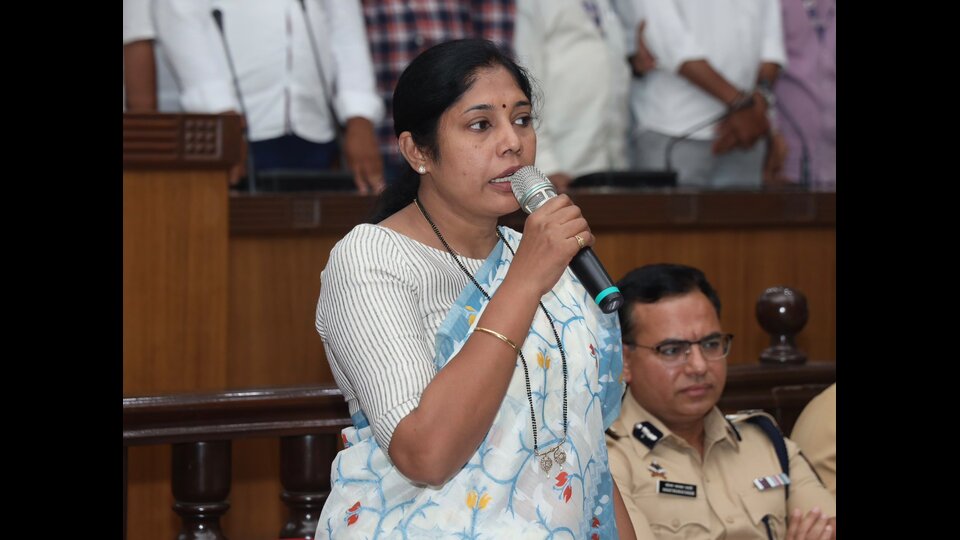
Nagpure on Wednesday clarified that her remarks had been taken out of context and that she had not promised permission for DJs or high-volume sound systems. She said decisions on the use of DJs and sound systems would be taken by the police and other competent authorities.
The controversy comes a day after representatives of Ganesh mandals opposed restrictions on DJs and sound systems at a preparatory meeting with the Pune Municipal Corporation (PMC). The mandals sought permission for four bass and four top DJ systems and the use of loudspeakers until midnight. They also demanded a uniform policy on sound systems instead of rules being changed every year.
At the meeting, an understanding was reached that there would be no blanket ban on DJs, while plasma and pressure-media sound systems and laser lights would not be permitted.
Nagpure said her statement about mandal workers facing no trouble was primarily about civic arrangements and making it easier for organisers to obtain permissions.
“People should watch the entire video from the beginning,” she said while explaining her position. She added that political leaders’ statements are sometimes presented in a truncated manner, leading to reactions based on incomplete context.
“I was speaking about the things that are actually under my control. It is not specifically about whether they can use DJs or not. I do not have that authority,” she said.
Nagpure also said she had repeatedly appealed to Ganesh mandals at public programmes to avoid huge speakers, large DJs, plasma screens and other equipment that inconveniences citizens.
She said mandal representatives at the meeting had indicated they would avoid plasma screens and deafening sound systems.
“There is still time. The final decision has not been taken. Everything is still under discussion,” she said.
The mayor’s clarification followed criticism from citizens and activists who questioned whether the interests of ordinary residents were receiving equal attention.
Environmental activists have urged citizens to send representations to Nagpure and Pune police commissioner Amitesh Kumar seeking a “DJ-free Ganeshotsav”. Their appeal calls for greater use of traditional dhol-tasha, lezim, bhajans, kirtans and cultural programmes, while demanding strict enforcement of existing noise pollution rules.
Citizen Sunaina Holey, in a post on X, urged the mayor to consider the reactions to her earlier post. She said residents had little interest in “ear-splitting” DJ music and vulgar songs and pointed to the impact of excessive noise on hospital patients, senior citizens and infants.
“Let the dhol-tasha, bhajans and aartis continue,” Holey said, arguing that the festival could remain joyful without excessive noise.
Another citizen, Nitin Godbole, criticised the mayor’s remarks and questioned whether the administration was giving greater importance to Ganesh mandal workers than ordinary citizens.
The dispute has brought the larger issue of noise pollution during Pune’s festive season back into focus. Pune Police received nearly 14,000 noise pollution complaints in the first eight months of this year, with loudspeakers, DJs and high-decibel sound systems among the concerns raised by residents.
Nagpure said the solution could not be limited to policing or political decisions. She called for a change in public behaviour and said awareness about responsible sound levels should continue throughout the year and across festivals.
She also suggested that restrictions could be considered at the manufacturing and supply level for excessively powerful and modified sound systems.
“The demand for such systems comes from the public,” she said, referring to discussions with people in the sound-system industry. She added that manufacturers and suppliers could also consider limiting excessive specifications and volumes.
Nagpure said the administration needed to strike a balance between the rights of festival organisers and the concerns of residents.
“Those who do not want pollution or noise pollution still want the festival. They are not saying that the festival should not be celebrated. We need to find a middle path and move forward,” she said.
The mayor also outlined a wider plan for Ganeshotsav, including digital mapping of Ganesh mandals, QR codes to guide visitors through the old city, improved crowd management, public toilets and other civic facilities. The PMC has also said mandals will not have to pay charges for sponsor advertisements, while information on traffic diversions and parking arrangements will be shared.
Nagpure stressed that the final decision on DJs and sound systems would be taken by the competent authorities, including the police.
“I said that the final decision would be taken by the commissioner and that the commissioner would announce the decision,” she said.


