
 E-Paper



NAAC accreditation to be a ‘participatory process’ for educational institutions
“While carrying out the accreditation process for colleges, our entire focus is on numbers, quantity and input; for example, how many library books does the college have? This system needs to be changed and we have already started taking important steps in this direction as the purpose is to evaluate the quality of education

 Prefer HTon Google


“While carrying out the accreditation process for colleges, our entire focus is on numbers, quantity and input; for example, how many library books does the college have? This system needs to be changed and we have already started taking important steps in this direction as the purpose is to evaluate the quality of education. Next year, the National Assessment and Accreditation Council (NAAC) is completing 30 years so we thought this is the best time to start a new process. Accordingly, we are now introducing the ‘participatory process’ in the accreditation process of NAAC,” said professor Bhushan Patwardhan, chairman, executive committee, NAAC, Bengaluru.
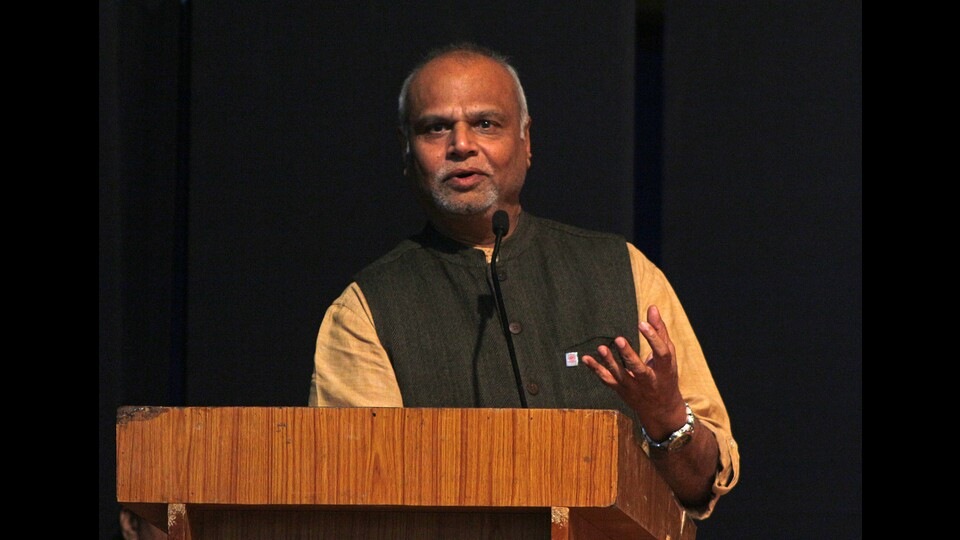
“We are now proposing a binary accreditation system as per the New Education Policy (NEP) where we consider whether an educational institution wants to be accredited or not. It will be completely the choice of the institution whether to go in for grading of any programme or not. Today, there is a lot of competition amongst colleges and educational institutions so within the same university or institution, some programmes or departments will have one NAAC grade while some may not have it. This kind of diversity will be there and students will be empowered to select based on the actual assessment carried out,” Patwardhan said.
He was speaking at a programme on ‘NAAC evaluation – concepts and methodology’ jointly organised by the internal quality assurance cell of Savitribai Phule Pune University (SPPU) and Karve Institute of Social Service. Along with Patwardhan, Dr K P Mohanan from IISER, Pune was the chief guest at the programme. While SPPU vice-chancellor professor Karbhari Kale; pro vice-chancellor professor Sanjeev Sonawane and other dignitaries were also present along with representatives of several colleges affiliated to SPPU.
Patwardhan further said, “There were 16 manuals when I took charge as director, NAAC and so, we all need to address this issue together as all stakeholders need to work on it together. We are focusing on three major aspects while carrying out the accreditation of colleges, the first of which is ‘educatedness’ which is the basic quality we look for in any graduate. Across all the streams, it is needed as the basic purpose of carrying out the accreditation assessment is the wellbeing of humanity and nature. Now, students will be assessed using new tools under the new NAAC guidelines given to the assessors. These guidelines include whether the student has educatedness or not. The second part is professional skills that will be assessed as it is necessary for every student to be professional after completing the course.”
“The assessments will now be carried out more strictly and we have given strict instructions to our assessors accordingly. My appeal to all the colleges is not to entertain the NAAC committee assessors in any way. Don’t do that by any means else action will be taken on the spot. Guidelines for assessors are very strict now, and no envelopes or flowers should be given to assessors. Strict action will be taken against those found guilty and we have already taken action against several assessors in the last six months,” Patwardhan said.


