
 E-Paper



Pune lacks real-time pollution data from MPCB due to outdated systems
Experts in Pune, India are unable to access real-time air and water quality data due to outdated monitoring systems. The city has only one automatic air quality monitoring station, while the other seven are manual. The data from the automatic station is not updated frequently, and there is no updated data on water quality available. The Maharashtra Pollution Control Board is looking to install more automatic air quality monitoring stations in the area. Outdated monitoring systems can have far-reaching effects on human health, as pollution affects those with asthma, chest disorders, and dust allergies.


Despite its inclusion in the National Clean Air Project (NCAP) and river rejuvenation mission by the central government,experts in the city are unable to get the real-time air and water quality data due to outdated systems.
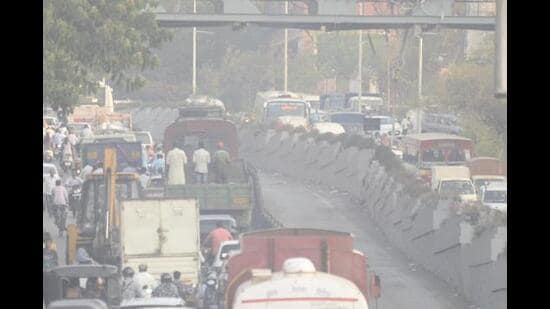
The city has only one automatic air quality monitoring station at Karve Road, while the remaining seven stations are manual and are located in different areas in Pune and Pimpri-Chinchwad. Experts said due to lack of real-time data, it takes time for Maharashtra Pollution Control Board (MPCB) to upload the data in a timely manner.
Pratap Jagtap, sub-regional officer of MPCB said, “Currently, there are 3-4 air quality monitoring stations in PMC. The one at Karve Road is an automatic station. The other stations located at Swargate, Nal stop and Shivajinagar are manual where data is collected weekly.”
The data of Karve Road station was last updated on March 23, of Swargate and Nal Stop station on January 31. Similarly, there is no updated data about the water quality of the city available on its website.
“Recently, the MPCB installed five new Continuous Ambient Air Quality Monitoring Stations (CAAQMS) in PMC and Pimpri-Chinchwad Municipal corporation area. In the PMC area, one station is installed at Katraj, while the other one is set up at Savitribai Phule Pune University (SPPU). These are automatic stations, but are currently in the trial phase. Soon, these stations will be functional and data will be updated,” added Jagtap.
Pollution has far-reaching effects on human health, therefore, if the air pollution is increased, patients with asthma, chest disorders, dust allergies will get affected, said experts. Similarly, water quality can also affect human health adversely. To take precautions, and create remedies for such solutions, the real-time data is required.
A MPCB official said that the existing network of air quality monitoring stations has only one automatic monitoring station while the rest are manual. One has to go there to collect the samples. Similarly, water quality is being tested monthly. Once the data is received it is uploaded on the website. However, due to manpower issues the data collections and uploading takes time.
Earlier, there were air quality display boards at various places in Pune. “Some display boards are non-functional while some were removed. It is necessary for people to get real-time information on air and water quality of the city,” said RTI activist Vivek Velankar.
Virendra Chitrav, who is working on Ramnadi restoration projects said, air or water quality monitoring is not a rocket science and day to day data can be made available with the help of modern technologies. “We at Ramanadi project, monitor the water quality of the river from nine stretches on a monthly basis. The data not only helps is good planning but also allows the government to maintain transparency. Therefore, the government should take proper steps towards this.’’
Speaking about the importance of real-time pollution data and its benefits for health Dr Sundeep Salvi, director, Pulmocare Research and Education Foundation said, “ The real-time pollution data helps us understand the pollution level. Real-time will help people with lungs diseases and those who exercise outdoor. They can then take precautions like avoid going outdoors if pollution level is high.”


