
 E-Paper



PMC to use real-time data for traffic planning
The consultancy will cost ₹2.37 crore a year, excluding taxes, standing committee chairman Shrinath Bhimale said

 Prefer HTon Google


The Pune Municipal Corporation (PMC) will use real-time traffic and travel data to plan roads, manage congestion and improve transport infrastructure across the city, amid rising traffic volumes, frequent congestion, accident-prone stretches and recurring problems caused by road works and utility digging.
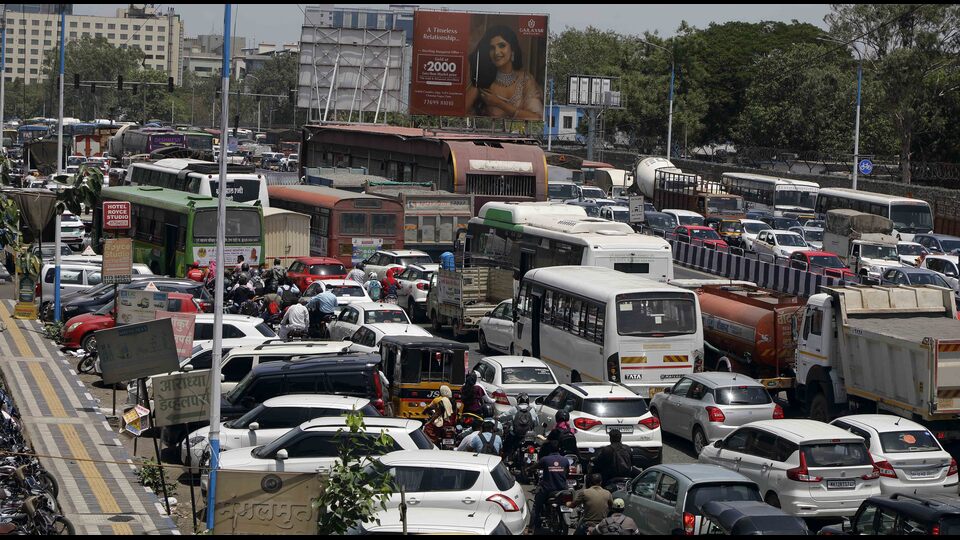
The PMC standing committee on Thursday approved a proposal to set up a Pune Urban Mobility Cell and appoint Ernst & Young LLP as a consultant for three years. The consultancy will cost ₹2.37 crore a year, excluding taxes, standing committee chairman Shrinath Bhimale said.
The civic body and traffic police will also work through an integrated traffic management cell proposed at Dhole Patil Road. A team of around 10 PMC officials, along with personnel from the Smart City Mission and related transport systems, will work from the centre, Bhimale said.
The proposed system will bring together data from multiple sources, including TomTom, telecom companies, CCTV networks, Mahapreit, the Pune Urban App, Road Mitra, GPS-based public transport systems, parking systems and the civic grievance redressal platform, onto a common platform, giving the PMC and traffic police a more detailed picture of traffic movement across the city and the interventions required.
Data from the Road Asset Management System (RAMS), geographic information system (GIS), road construction management system and trenching portal will also be integrated.
The information will be used to create an integrated traffic planning and management platform to identify congestion points, frequently blocked routes and accident-prone areas. PMC officials will be able to use the data for signal coordination, route planning and parking management, as well as planning junction redesigns, footpaths and cycle tracks.
The system will also seek to link traffic congestion with road conditions, potholes, utility digging and complaints received from citizens. This would allow officials to identify the underlying causes of recurring traffic problems instead of addressing congestion only after it occurs. The impact of traffic measures will also be assessed before and after implementation.
The data could help the PMC assess the need for flyovers, grade separators and other major traffic projects, with the focus shifting towards forecasting future traffic requirements rather than responding only after congestion worsens.
“Integrating RAMS with other digital databases will help the civic body prioritise the use of limited road funds. The system could identify roads requiring strengthening or reconstruction and help estimate future maintenance requirements,” Bhimale said.


