
 E-Paper



SPPU budget senate meeting on March 27 likely to see heated debates
Meeting is expected to see intense discussions on several long-pending issues, including the continued functioning of key posts such as dean, associate dean, and registrar on an “in-charge” basis

 Prefer HTon Google


The budget senate meeting of Savitribai Phule Pune University (SPPU) will be held today, where the university will present its annual budget for 2026–27 amid growing concerns over administrative functioning and delayed decision-making.
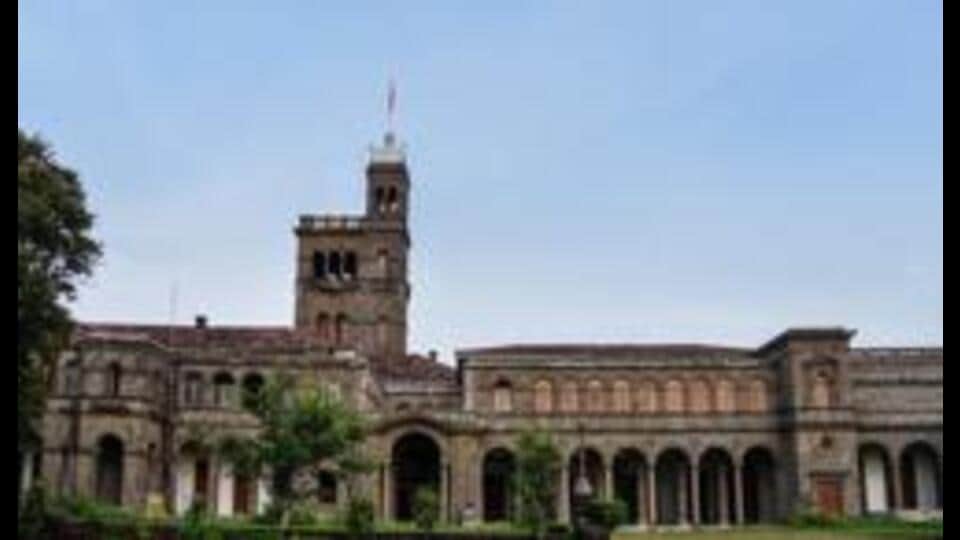
The meeting is expected to see intense discussions on several long-pending issues, including the continued functioning of key posts such as dean, associate dean, and registrar on an “in-charge” basis. Senate members are likely to question the lack of permanent recruitment, particularly in teaching and administrative positions.
Harsh Gaikwad, a senate member, said the issue of “in-charge” administration would be strongly opposed. “The university is being run on an in-charge system. There are no permanent appointments for key positions like dean and associate dean, and we will take a strong stand against this,” he said.
Gaikwad also raised concerns over the functioning of various university committees. “Committees are being formed, but no actual work is happening. In many cases, even the chairpersons are not active. For instance, committees formed for audits like fibre optics have not delivered any results,” he added.
He further questioned the delay in initiating the forensic audit. “The deadline for the forensic audit is March 31, but the process has not even begun. We will demand answers on this,” Gaikwad said. He also alleged that delays in professor recruitment indicate a lack of intent on the part of the administration.
On the financial front, the proposed budget indicates increased allocations for infrastructure development, including building infrastructure, all student-centric campus facilities, and computer systems. However, members are expected to question the allocation pattern, as administrative expenses and special funds have increased while research funding remains inconsistent. Spending on sports infrastructure has also seen uneven adjustments.
It also indicates financial provisions for student welfare schemes, research initiatives, and academic quality improvement programmes. Implementation of the National Education Policy (NEP) is expected to be a key agenda item.
Student-related concerns, including financial assistance schemes and the ‘earn and learn’ initiative inspired by Karmaveer Bhaurao Patil, are likely to be discussed. Members may also seek clarity on delays in revaluation results, accessibility audits of campus buildings, and the introduction of new academic programmes.


