
 E-Paper



Schools of excellence in each district, exchange plan for students in Delhi govt’s ‘Vision 2030’ plan
An advisor in Delhi education minister Manish Sisodia’s office said “Vision 2030” is a part of the Aam Aadmi Party (AAP) government’s strategies to uplift public education in the national capital.

 Prefer HTon Google


Creation of at least one school of excellence (SoE) in each district, teaching foreign language in government schools, connected classrooms, exchange programmes for students and corporate social responsibility (CSR) funding are among the projects shortlisted for the directorate of education’s (DoE) “Vision 2030”.
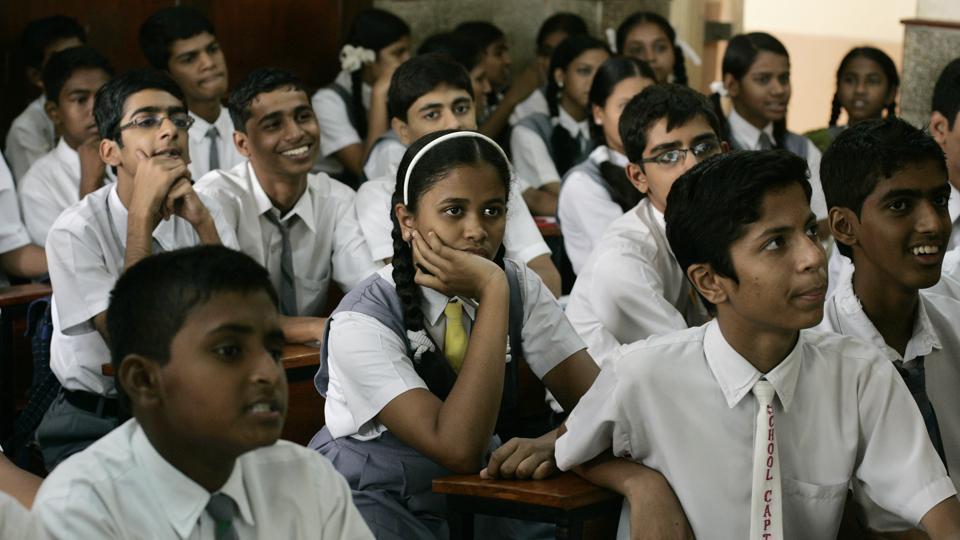
The directorate on Thursday told different departments that it had approved their projects for the implementation of “Vision 2030” after consulting stakeholders and the secretary (education), and set tentative timelines.
In the orders, copies of which are with HT, deputy director (administration) Ramchandra Shingare advised department heads to stick to the timelines.
An advisor in Delhi education minister Manish Sisodia’s office said “Vision 2030” is a part of the Aam Aadmi Party (AAP) government’s strategies to uplift public education in the national capital.
“Many of these projects were also announced by the government during the budget speech earlier this year. We are targeting to achieve all this much before 2030,” the advisor said.
To set up schools of excellence -- the English-medium schools of Delhi government -- in each district, the DoE has asked its SoE branch to identify existing school buildings where new rooms can be constructed and prepare a proposal to declare those institutes as schools of excellence by September 15.
The tentative timeline for the introduction of foreign languages in SoEs and Rajkiya Pratibha Vikas Vidyalayas (RPVVs) is December 31, 2020.
Elaborating the plan on connected classrooms, the DoE order stated, “It is decided to convert all classes, including nursery, in all schools into connected classrooms in the period of four years. The project will be implemented in a phased manner.”
Integrated digital devices will be installed in all classrooms. Primary and nursery classes will get smart/interactive TVs. In some classrooms, laptops will be provided to improve learning. The project is likely to be implemented by the end of this year, the DoE order said.
Smart cards will be issued to all government school students tentatively by September 30. “The smart card will have multiple uses like entry in school, use of health services, utilisation of library services, etc,” it said.
The DoE has also ordered its school branch to come up with a proposal by August 30 to send students to other countries for exchange programmes.
The Samagra Shiksha Abhiyan branch has been told to develop a CSR portal of DoE by August 30. “It is decided to develop the CSR portal of DoE to facilitate NGOs and corporates willing to support education work in Delhi government schools,” the directorate said.
Principals of government schools said these projects will help provide better facilities to students. “If there are schools of excellence in all districts, it will remove stigma attached to government schools. The smart cards will help students to access all government facilities,” said AK Jha, principal of Sarvodya co-ed Vidyalaya in Rohini.


