


 Live Score
 Cricket Teams
 Cricket Players
Bumrah, Kuldeep and India’s less than ideal workload plans
The rotation of the strike bowlers defies some logic, unlike Australia’s Ashes plans for its players


Kolkata: Kuldeep Yadav is in Bengaluru now and is set to play the second unofficial Test against South Africa A starting on Thursday. Three days back he was in Australia, packing his bags on being released from the squad after featuring only in the third inconsequential ODI and the first two T20Is. It shows India can do without the wrist spinner in the T20I series, just as he was not needed in the first two ODIs. If that is the case, why pick him at all?
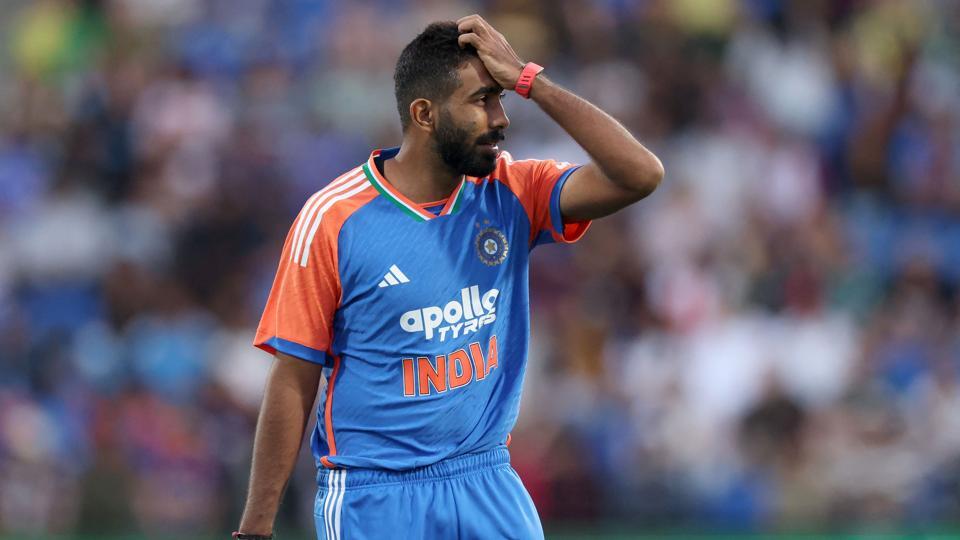
Earlier this year, India toured England with a rider that Jasprit Bumrah would be available for only three of the five Tests, to manage his workload. Yet a month ago, Bumrah played the Ahmedabad Test against West Indies three days after featuring in the Asia Cup final in Dubai. He was picked for the second Test as well when — with due respect to West Indies — India could have even fielded a second eleven and still won both the Tests handsomely. How is it an optimal use of Bumrah’s skill if he is ‘rested’ for two Tests in England, but made to toil against West Indies at home?
So stacked is the international calendar these days that the need to keep a large group of cricketers ready for the overlap and resulting burnout is understandable. Cricketers are precious, their workload needs to be managed and their career longevity stretched as much as possible.
And no one is more under the pump than fast bowlers. Prioritising formats and picking games accordingly is key to survival. From that perspective, would it not have been wise to preserve Bumrah for only the most important series this year — the England Tests, Asia Cup and the upcoming home Tests against South Africa and the white-ball series against New Zealand?
The rest and rotation policy is now a critical part of international cricket, but from the looks of it India still have much to learn from other teams. Case in point is Australia sending Josh Hazlewood away after the second T20I on October 31 for red-ball cricket ‘rehab and preparation’, even though the Ashes series is still three weeks away.
“It’s important to get that red-ball rhythm in, bowl consecutive overs, spend big days in the field — tick that off before the Test season starts,” the fast bowler said after the Melbourne T20I. Hazlewood and Mitchell Starc will prepare for the Ashes by playing first-class cricket. Opening batter Travis Head too has been released from the T20 squad.
Yet, Bumrah continues to be part of the white-ball team in Australia with the first home Test against South Africa to begin on November 14. It’s not as if Australia would provide vital conditions-based buildup for the T20 World Cup as it will be hosted by India. Then why risk Bumrah so close to the Tests, especially when he has nothing left to prove in T20?
With Kuldeep, he may be better off preparing for the upcoming Test series than not getting to play in Australia. But so inconsistent has been his selection history in every format that right now it’s wishful thinking to say he will walk into the eleven for the first Test at Eden Gardens.
It goes without saying how casually batters are exempt from this workload routine. Shubman Gill’s workload is so heavy in this aspect. He leads India in two formats, so there is no question of missing Tests and ODIs now. And since he is being nudged towards the T20 captaincy, he can’t afford to miss that as well. He has essentially played non-stop since IPL, through the England tour, the Asia Cup, the West Indies Tests, the ongoing Australia tour and possibly the entire home season in the next three months. Batters go through considerably less physical duress than bowlers, but to assume they need very little rest is stretching it dangerously close to their breaking point.


