E-Paper



‘Provide sites for plants to treat medical, other waste’
The Uttarakhand High Court on Tuesday directed the state government to provide sites for setting up storage, processing and recycling facilities for bio-medical and municipal waste and hand them over to the concerned local authorities within six months.


The Uttarakhand High Court on Tuesday directed the state government to provide sites for setting up storage, processing and recycling facilities for bio-medical and municipal waste and hand them over to the concerned local authorities within six months. The local authorities will be responsible for developing and maintaining such plants.
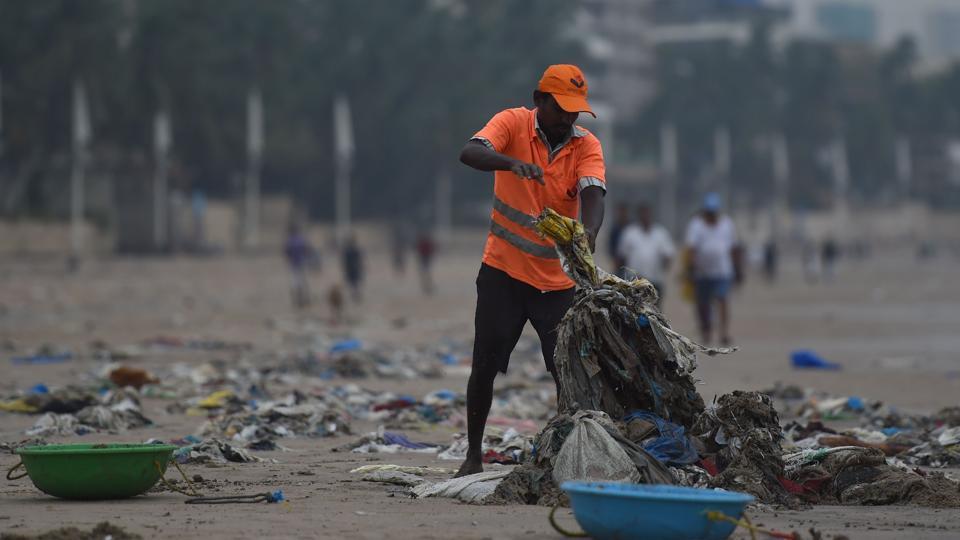
The court also ordered the Uttarakhand Environment Protection and Pollution Control Board to register criminal cases against the officials and operators in case of breach of Solid Waste Management Rules, 2016; Bio-Medical Waste Management Rules, 2016; and Construction and Demolition Waste Management, Rules, 2016 immediately.
Directing the authorities to take “penal and punitive action” against the persons and government establishments for non-compliance of the solid waste management rules, the HC asked state government to ensure that the license of occupiers, hospitals, laboratories and medical clinics are cancelled in case of non-compliance of provisions of Bio-Medical Waste Management Rules, 2016.
A division bench of Justices Rajiv Sharma and Sharad Kumar Sharma issued these directions while disposing of a public interest litigation (PIL) filed by Haldwani-based Indira Nagar Jan Vikas Samiti.
According to the PIL, the authorities concerned are permitting dumping of solid waste, including bio-medical waste, near Gola River, which is the lifeline of Haldwani and Kathgodam. The Samiti members claimed that they had made various representations to the authorities to dispose the garbage in a scientific manner.
Disposing the plea, the court directed the government to constitute a state-level advisory committee as per Rule 11 of Solid Waste Management Rules, 2016 and the district level monitoring committee as per Rule 12 within three months.
Deputy secretary, forest and environment, in his counter affidavit to the HC had pointed out that Haldwani municipal body has applied for transfer of four hectares of reserve forest land for making solid waste management plant. The state Pollution Control Board in its counter affidavit also pointed out that directions were issued to Haldwani municipal body from time to time not to dump the garbage in an unscientific manner and accordingly it had filed complaints too under the provisions of the Environment Protection Act, 1986.
HC pointed out that through the compliance report filed by the secretary, urban development department, it has come to know that for Haldwani cluster, detailed project report for waste treatment and disposal site was approved under JNNURM but due to non-availability of civil land, the project could not be executed.