E-Paper



Seal all illegal abattoirs within 72 hours, says Uttarakhand HC
Civic bodies asked to ensure no animal is slaughtered in open spaces

 Prefer HTon Google


The Uttarakhand high court on Thursday directed the state government to seal all illegal slaughterhouses in the state within 72 hours and directed the secretary home department to ensure that no animal is slaughtered on the streets or open spaces from now on.
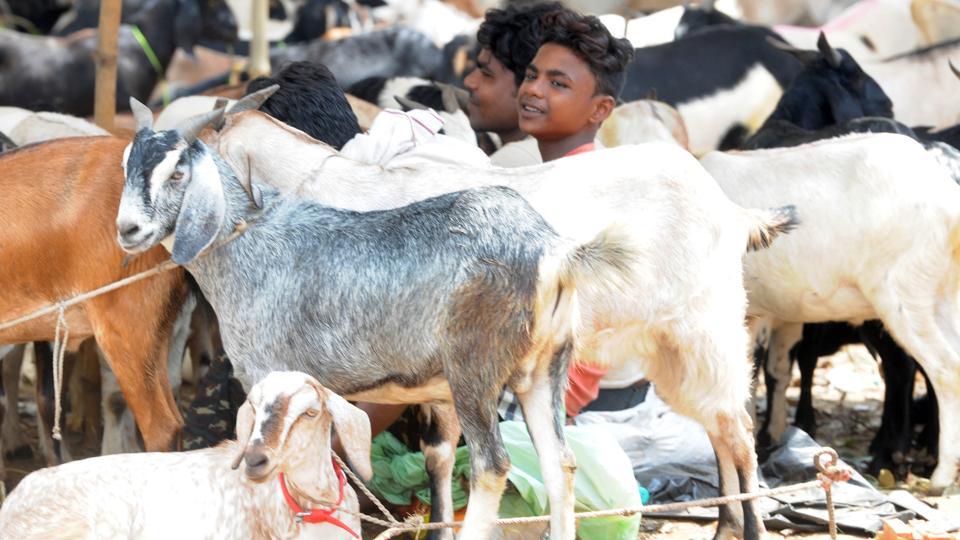
The court also directed the state government to constitute a committee for slaughterhouses as per a letter issued in 2012 by the ministry of environment and forests, within a period of seven days. The court also said that it was the duty of officials concerned of the civic bodies in the state to ensure that no animal is slaughtered in the public streets/paths/roads and at open spaces, in public view.
The state government should ensure that no slaughterhouse is permitted to run without complying with the Food Safety and Standards (Licensing and Registration of Food Businesses) Regulations, 2011, till further orders, the court said.
The directions were issued by a division bench of acting chief justice Rajiv Sharma and Justice Manoj Kumar Tiwari while hearing a PIL filed by Parvez Alam earlier this year. The PIL had alleged that illegal slaughtering of animals was prevalent on open roads and outside authorised/permitted slaughterhouses in the state.
The petitioner had also submitted pictures of the animals being slaughtered. “These pictures are disturbing and have pricked the conscience of the court. How the authorities are allowing the slaughtering of animals on the streets, in villages and towns, is beyond our comprehension. Animals also do have constitutional/legal rights. The authorities cannot remain as mute spectators towards the slaughtering of animals, that too, in a very beastly manner,” the order said. To run a slaughter house, ‘No Objection Certificate’ has to be obtained from the local authority.
The high court said chief minister of Uttarakhand has made a public statement that the state will not permit any large scale ‘slaughterhouse’ in the state. The high court was also apprised that 100 persons have been challaned under various provisions for slaughtering of animals in open spaces.