E-Paper



Skeletons of 4 missing in 2013 tragedy found in search ops in Kedarnath area
So far, 699 bodies, or skeletal remains, have been recovered from the Kedarnath area, including 545 in 2013, 63 in 2014, three in 2015, 60 in 2016, seven in 2017 and 21 in 2018

 Prefer HTon Google


The skeletal remains of four missing persons in the 2013 Kedarnath tragedy have been found between Garud Chatti and Gau Mukhda.
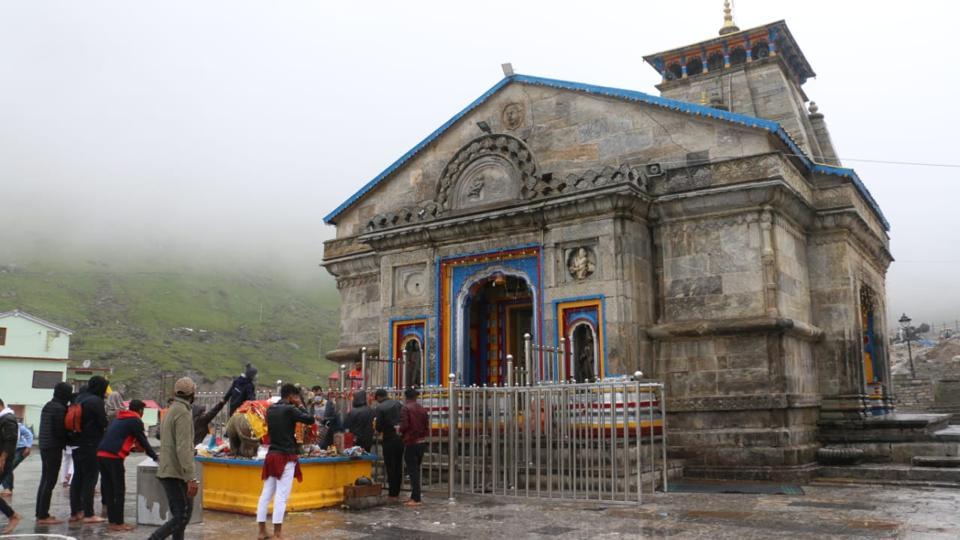
A five-day search operation for the missing persons ended on Sunday, police said.
So far, 699 bodies, or skeletal remains, have been recovered from the Kedarnath area, including 545 in 2013, 63 in 2014, three in 2015, 60 in 2016, seven in 2017 and 21 in 2018.
Sunday’s recovery takes the total count to 703.
Also Read: Char Dham road project: Restoration plan for damaged Himalayan slopes sought
Navneet Singh Bhullar, superintendent of police (SP), Rudraprayag, said the skeletal remains of four persons were found between Garud Chatti and Gau Mukhda in Kedarnath on Sunday.
“The health officials accompanying our teams took their DNA samples. By Sunday evening, they (the skeletal remains) will be brought to Sonprayag, which is located between Rudraprayag and Gaurikund and on the way to Kedarnath. Their last rites will be held at Sonprayag. Later, the DNA samples will be used for matching with the family members of the missing people in a bid to ascertain the identity of the skeletal remains,” he said
The SP said that the latest search operation ended on Sunday and another round would resume after receiving fresh directives. “The search operation was undertaken by 10 teams for the past five days. So far, we have found skeletal remains of 703 people,” he added.
On September 16, 10 teams comprising police and state disaster response force (SDRF) personnel along with health officials, had started a search operation in Kedarnath to trace the skeletal remains of 3,075 people who had died in the tragedy that had struck the region in June 2013.
The teams were equipped with body bags, trekking gear, and other tools in their bid to trace the skeletal remains along the trekking route towards the Kedarnath shrine.
The search was resumed following repeated directions from the Uttarakhand high court (HC) that bodies need to be recovered from Kedarnath for conducting their last rites as per the Hindu tradition.
In 2014, Ajay Gautam, a Delhi-based activist, had filed a public interest litigation (PIL) seeking directions from the HC to the authorities concerned to take expedient steps to search the missing persons in the June 2013 Kedarnath tragedy and perform their last rights as per the Hindu tradition.
In September, the Uttarakhand government constituted a high-level multi-institutional expert committee to suggest appropriate technology and methodology to conduct searches for the mortal remains of the 3,075 missing people.
The committee, which is headed by the inspector-general (I-G), SDRF, has been asked to submit its report to the state government in two months.