
 E-Paper



1,418 new Covid-19 cases in Delhi, positivity rate below 2% for 4 days
The RT-PCR and other molecular tests amplify the genetic material of the Sar-CoV-2 virus to detect the infection, whereas the rapid antigen tests just look for specific proteins in the sample.


Delhi on Friday conducted more RT-PCR tests than the alternative and less accurate rapid antigen ones for the second day in a row.
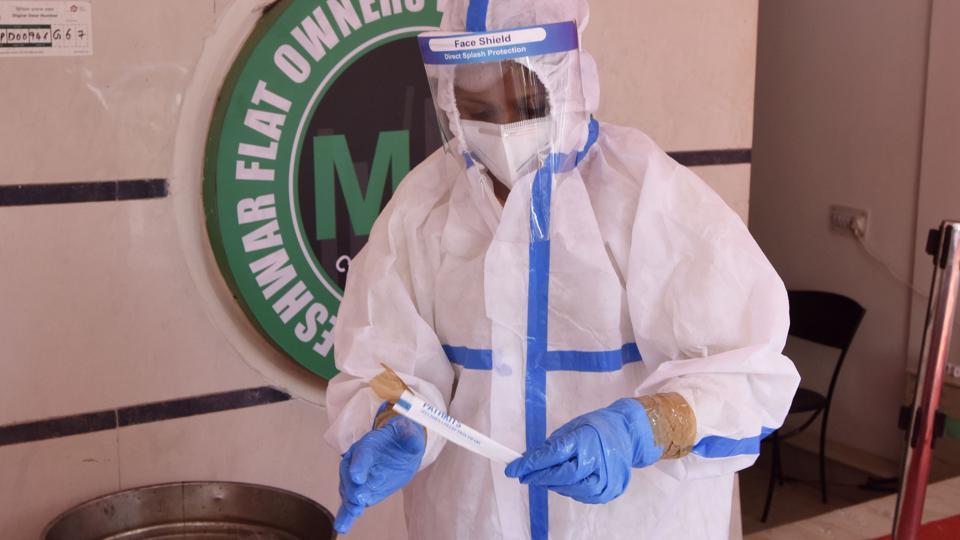
There were 88,400 total tests done on Thursday, of which 54.5% or 48,180 tests were conducted using the RT-PCR method.
This is the third time when the share of RT-PCR tests has been 50% or more of the total number of tests conducted in the city. On November 30, the city had conducted 52.6% RT-PCR tests, on December 1, 51.8%. The highest share of RT PCR tests was recorded on December 14, when they accounted for 56.6% of the tests, as per the daily data shared by the Delhi government. On Thursday, the number of RT-PCR tests were 54.3% of total tests conducted in the city.
The RT-PCR and other molecular tests amplify the genetic material of the Sar-CoV-2 virus to detect the infection, whereas the rapid antigen tests just look for specific proteins in the sample. This is the reason why RT-PCR tests can pick up small amounts of virus in a patient sample.
The rapid antigen tests however are cheaper, easily deployed outside laboratories, and give result in fifteen minutes. This is the reason the tests were rolled out in mid-June when Delhi saw its first surge in number of cases when the positivity rate had shot up to almost 37%.
On Friday, Delhi recorded 1,418 new cases of coronavirus disease (Covid-19), as per the health bulletin, while reporting 37 new deaths due to the infection, taking the total death toll to 10,219 so far.
The World Health Organisation says that if the positivity rate is over 8%, the scale of the infection spread cannot be captured by the current number of tests. Hence, the rapid antigen tests were used to scale up testing from just 6 to 7 thousand tests a day in mid-June to about 50,000 tests a day by mid-November.
After a second meeting with Union home minister Amit Shah then, the government decided to scale up testing to between 100,000 to 120,000 a day, half of which would be performed using RT-PCR method.
“Even with the positivity rate on the decline, the government should continue to tests as many people as they can and scale-up testing as much as they can. A high number of tests instil confidence that the transmission is actually low in the community. With fewer tests, the low positivity rate could be because the tests are unable to capture the positive cases. With a higher number of tests, that cannot happen; the positivity rate will be low, because the transmission is low,” said Dr Lalit Kant, former head of the department of epidemiology and infectious diseases at the Indian Council of Medical Research.
Delhi’s positivity rate – proportion of samples that test positive for the infection among the total tested – has been under 5% for sixteen days in a row so far and under 2% for four days.
Dr Kant says its fortunate that the infection levels have remained low despite the dip in temperature. However, people must continue to follow all precautions. “We were expecting that with the cold and higher levels of pollution, the number of cases would go up in north India. But that hasn’t happened. One of the reasons, at least in Delhi, could be that a large number of people have already been exposed and have some immunity to the infection. But we cannot say that there wouldn’t be surges in the future as countries in the west are seeing an increase again,” he said.

Stay updated with all top Cities including, Bengaluru, Delhi, Mumbai and more across India. Stay informed on the latest happenings in World News along with Delhi Election 2025 and Delhi Election Result 2025 Live, New Delhi Election Result Live, Kalkaji Election Result Live at Hindustan Times.


