
 E-Paper



What Tihar jail inmates read: Gandhi, Vivekananda, Vedas
Each of Tihar’s eight jails has a library where prisoners can read for four hours every day or take books to their cells using a library card.

 Prefer HTon Google


Mahatma Gandhi is the most-read writer in the country’s biggest prison — the Tihar jail in Delhi.
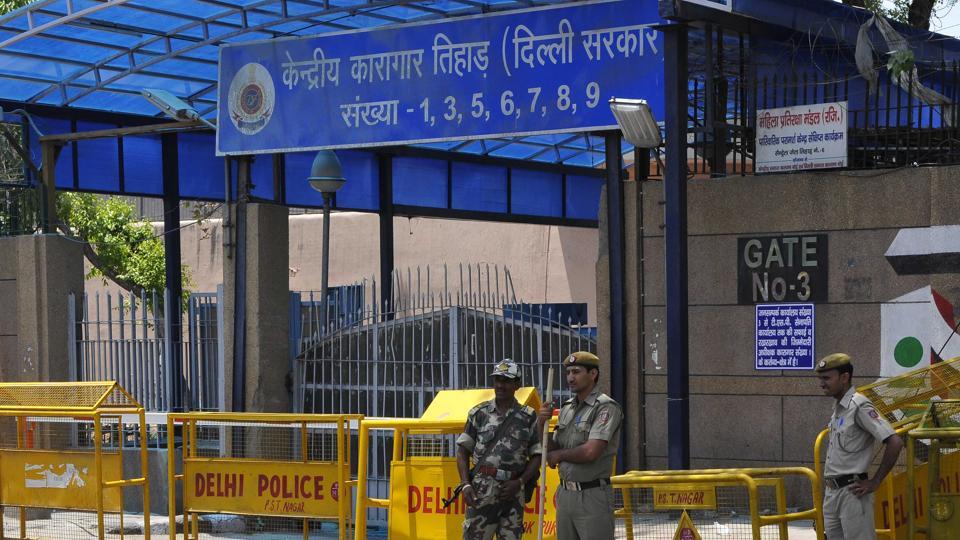
His autobiography, My Experiments with Truth, is hard to find on the shelves of the libraries of Tihar that houses 14,000 prisoners. Entries in the library registers show that every week at least 10 inmates borrow the book that has been translated in at least 35 languages.
The Vedas and Swami Vivekananda’s books are most popular after My Experiments with Truth.
“You will seldom see a copy of My Experiments with Truth in good condition. There will always be pages missing or numerous markings on the book,” said a former inmate who doubled up as a librarian till his release. “Everyone in prison reads it thinking it will change their life.”
And the fact that it was written by Gandhi when he was a prisoner himself — in Pune’s Yerwada jail — adds to its popularity. Gandhi talks about his childhood, his time in South Africa and England and the evolution of Satyagrah in the book.
To meet the demand, jail superintendents request NGOs to get the book for them.
Each of Tihar’s eight jails has a library where prisoners can read for four hours every day or take books to their cells using a library card.
Tihar has a collection of around 100,000 books, which are donated by citizens, NGOs or are bought during book fairs at heavily discounted rates.
“We encourage prisoners to read so that they get inspired to take the right path in life. Many of them find solace in reading autobiographies of great men and women who were jailed,” Sunil Gupta, who retired after serving as a law officer in the jail for 35 years, told Hindustan Times.
Swami Vivekananda’s books could be popular because he was an influential spiritual leader, who addressed complex issues such as religion in a simple manner, Gupta said.
From the spiritual to the legal -- law books, too, are in a great demand. Most prisoners, jail officials said, read them to have a better understanding of their cases.
Former Delhi assistant commissioner of police, SS Rathi, serving time for a fake encounter, is one of the many who studied in prison and graduated in law.
Sushil Kumar, who murdered his wife and is in jail for more than 23 years in what came to be known as the Delhi Tandoor case, was an in-house expert of sorts, helping fellow prisoners with their cases, Tihar sources said.
Not just law, the prison provides inmates a chance to pursue education through the National Institute of Open Schooling and Indira Gandhi National Open University centres.
The library provides reference books along with Indian and Western literature but classics, many of which are hard bound such as Leo Tolstoy’s War and Peace, are rarely read.
And then there are times when inmates ask for specific books. When former deputy prime minister LK Advani’s autobiography My Country My Life came out in 2008, many prisoners asked for it.
Among those who wanted to read the BJP veteran’s work was the 2001 Parliament attack convict Afzal Guru. Advani was the home minister when the audacious terror attack was carried out. Guru was hanged for it in February 2013.


