
 E-Paper



A ray of light in a long, dark night
ICJ held Naypyidaw culpable for Rohingya genocide, but bringing it to book looks difficult


By a margin of 9-6, the International Court of Justice has held Myanmar responsible for genocide against the Rohingya people. The landmark judgment will not only reverberate far beyond the country’s borders but also provide some moral cover for the international order, increasingly discredited for callousness in dealing with spiralling global conflict. It is the first time that the UN top legal body has held a State responsible for the crime, no mean feat at a time it appeared some countries could get away with almost anything in a transactional, chaotic world. The judgment will be parsed line-by-line on its possible consequence for other proceedings, including South Africa’s case before the court that accuses Israel of genocide in Gaza. But Myanmar’s rejection of the verdict and sharp reactions from the US and China underline the complicity of Great Powers in the suffering of the vulnerable community.
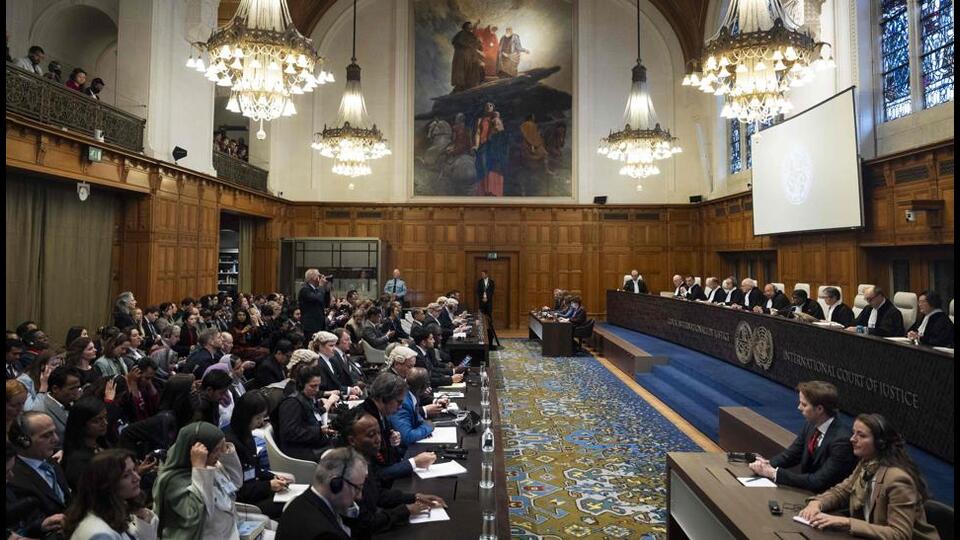
ICJ found evidence that Myanmar’s security forces killed some 10,000 Rohingya civilians — 1.2% of the targeted population, 815,000 — in the so-called clearance operation in Rakhine province. It also found that the forces committed widespread acts of rape and sexual violence, perpetrated extreme violence against children and attacked the fleeing Rohingya. It is a rare moment, marking only the fourth time since the Holocaust that an international court held that the legal threshold for genocide was met. Genocide was earlier established against the Tutsis in Rwanda (1994), at Srebrenica (1995), and under the Khmer Rouge regime in Cambodia (1975-1979), but never was a country held responsible. The verdict gives a new lease of life to the 1948 genocide convention and opens the door for its use in weighing the actions of governments against allegations of genocide — especially on the question of intent. The verdict will lend moral force to advocates pressing their respective governments to reassess business dealings and diplomatic ties with Myanmar.
The ICJ didn’t lower the evidentiary bar for genocide — it said the “only reasonable inference that can explain Myanmar’s actions is an intention to destroy a substantial part of the Rohingya population” — but can set a precedent in how intent is viewed in international law. In earlier judgements on genocide — most strikingly for Rwanda or Srebrenica — the court had stopped short of holding the nation itself culpable. This will have implications not just for conflicts in West Asia and Europe but also in Azerbaijan and Sudan.
The court might have ordered Myanmar to cease any violations, investigate suspects, and give reparations, but holding Naypyidaw accountable might be tougher, given the hostility of the US, Russia, and China to any international accountability. It is sobering that the trifecta issued a veiled threat to international courts the same day the verdict was read out. If the issue is brought before the UNSC, Beijing or Moscow would likely veto it.
This horror has unfolded in India’s backyard for a decade now, presenting a snowballing humanitarian, security, and strategic crisis. As one of the countries taking in Rohingya refugees, India should pay close attention to the verdict and weigh it against its engagement with the junta and justified concern for stability in the neighbourhood. And those who target the Rohingya with inflammatory speech should reconcile with the scale of the tragedy, and desist.
As big a victory this moment might be for international law, it is but a transient moment of hope for the million-plus refugees who might never get to go home. As one Rohingya activist told this newspaper, the verdict is a ray of light in a long night of darkness. For now, that’s enough.


