
 E-Paper



Countering China’s Indian Ocean push
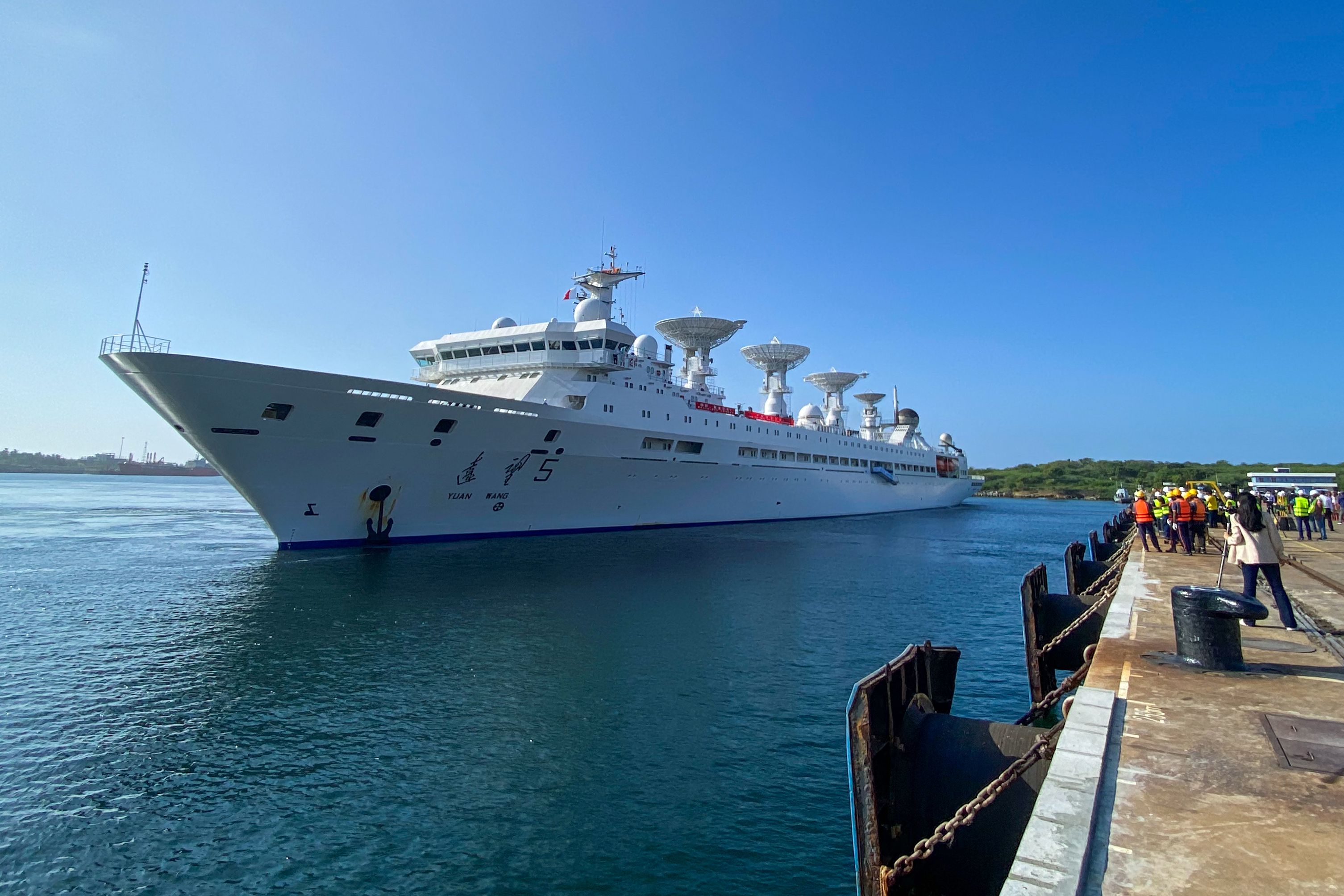
As China's Yuan Wang 5 docks in Sri Lanka, India should consider greater naval operations along with partners such as Australia, Japan, and the United States while it focuses on the task of expanding its naval fleet.

 Prefer HTon Google


Well before the Sri Lankan government did a U-turn on its decision to defer a visit to Hambantota port by the Chinese surveillance vessel Yuan Wang 5, the feeling in New Delhi was that Colombo would not be able to stand up to the pressure from Beijing on this issue. This was in large part due to China’s role in helping Sri Lanka cope with its worst economic crisis. However, the problem – from the perspective of New Delhi – is not so much about the current visit by the Chinese vessel, which is part of the People’s Liberation Army’s Strategic Support Force and is used to track ballistic missiles and satellites. The bigger problem was that the Yuan Wang 5, unlike other Chinese warships that have docked at Colombo port, berthed at Hambantota, which has been under Chinese control for almost five years, and that its visit could be a precursor to a more established presence for the Chinese navy in regional waters. The regular presence of vessels in the waters off Sri Lanka that can track satellites and other aerial assets and scoop up technical intelligence does not bode well for India’s coastal defences or naval operations in a swathe of the southern part of the country.
It is no secret that China plans to establish a larger naval presence in the Indian Ocean, alongside plans to have a fleet of more than 400 vessels by 2025, as it ramps up the construction of infrastructure along the Line of Actual Control. These moves are part of efforts to encircle India, which must move swiftly to catch up. In the initial stages, India should consider greater naval operations along with partners such as Australia, Japan, and the United States while it focuses on the task of expanding its naval fleet.


