
 E-Paper



Decarbonisation in India gets a big boost
The Cabinet approved the National Green Hydrogen Mission with an allocation of ₹19,744 crore.

 Prefer HTon Google


India’s decarbonisation journey received a boost last week when the Cabinet approved the National Green Hydrogen Mission (NGHM) with an allocation of ₹19,744 crore. It aims to produce five million tonnes of green hydrogen annually by 2030, reduce emissions by nearly 50 million tonnes annually, save India ₹1 trillion in fossil fuel imports, attract investments worth ₹8 trillion by 2030, and create 600,000 green jobs. India spends over $160 billion of foreign exchange annually on energy imports and this bill is likely to double in the next 15 years. Here, green hydrogen can make a difference.
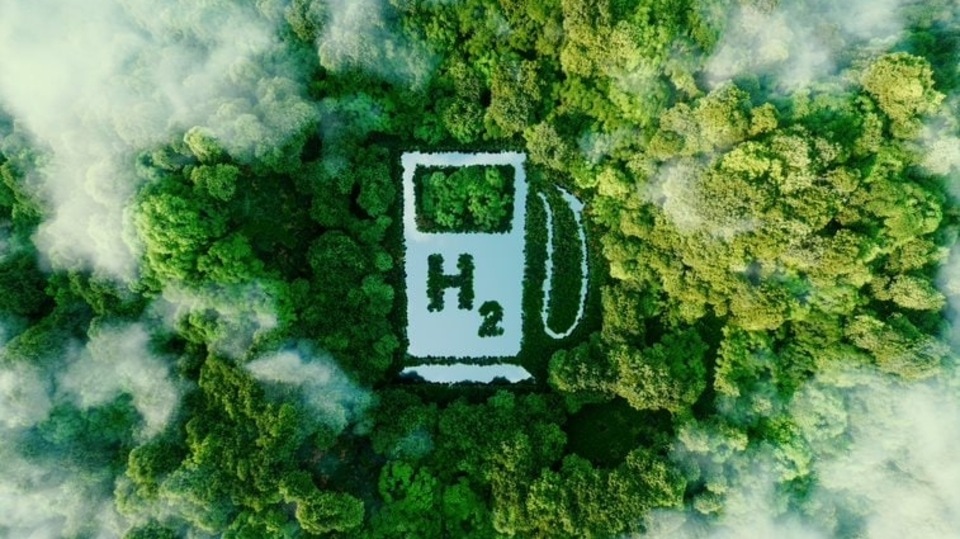
The green hydrogen policy was first announced in August 2021 by Prime Minister Narendra Modi to make India a hub for producing and exporting green hydrogen. There is still some way to go to fulfil these pledges. Topping the agenda is the adoption of renewable power and vehicle electrification, and the need to prioritise green hydrogen as a solution to decarbonise sectors such as refining, manufacturing ammonia, methanol, and iron and steel, and heavy-duty trucking. The costs of production along with logistical and transportation issues remain, and the government and industry will need to pay attention to this problem and ramp up manufacturing.
The good news is that India has an advantage in terms of low-cost renewable electricity (green hydrogen is produced from renewable sources by electrolysis). This, complemented by rapidly falling electrolyser prices, can enable green hydrogen to be economical. With collaboration among innovators, entrepreneurs (Reliance and Adani have announced manufacturing plans) and the government, green hydrogen can be an energy molecule that is “made-in-India” and a bulwark against the climate crisis.


