
 E-Paper



Education: Fix the Covid-19 damage
Governments must use targeted interventions and bridge courses, track down children who have dropped out, and strengthen the digital reach. Education must be at the front and centre of a national conversation

 Prefer HTon Google


For close to two years, the world and India have dealt with waves of Covid-19, with the Omicr-on-driven one being the latest variant to upend daily life. In that time, governments have talked about the damage that has been caused to the economy, incomes and health infrastructure. But there is another deeply distressing, but much quieter pandemic, sweeping across the nation. In a five-part series, reported from across the country through this week, Hindustan Times looks at the effects of Covid-19-prompted school shutdowns. Our reporters found deep learning loss, the return of old enemies such as child labour, underage marriages and trafficking, the marginalisation of the children of migrant workers, and in areas of conflict such as Bastar, Chhattisgarh, possible Maoist recruitment of out of school children.
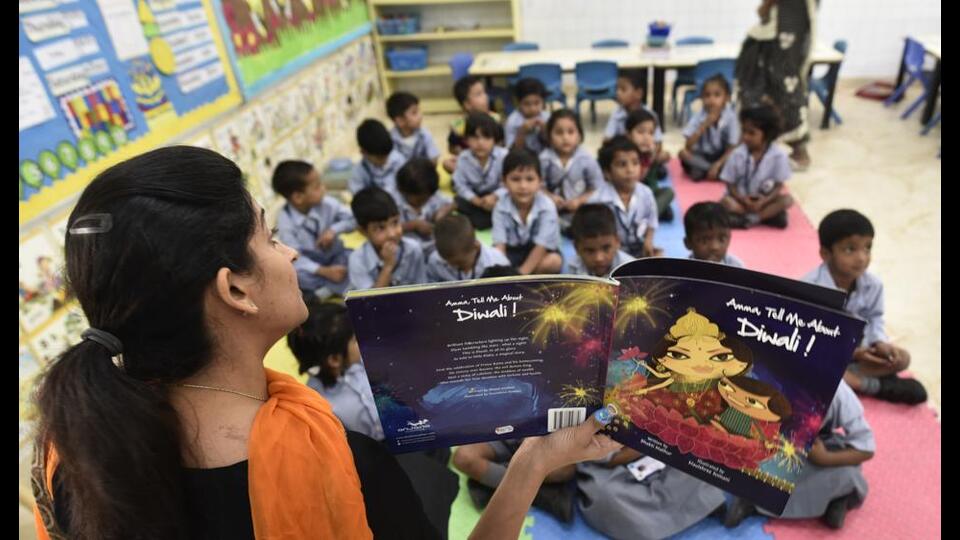
Governments, both central and state, must address this. There is no telling if Omicron will be the last wave of the pandemic India will face. Decisions on school shutdowns cannot be ad hoc, based on assuaging political constituencies, or the need to be seen as decisive. The United Nations, for instance, has repeatedly argued that schools must be the last to shut, and the first to reopen. At press conferences, when talking about why a Covid-19-related policy decision is being taken, bureaucrats and ministers often refer to the economy, or small businesses, or the strain on health care as considerations in decision-making. The effects on education, and children, must enter this deliberation. The constant battle that governments and people have faced over two years of the pandemic has also brought around a sense of fatigue, both every day, and at a policy level. The words “return to normalcy” are used often. For India’s education sector, this is a dangerous thought. Learning loss will be one of India’s biggest challenges going forward. Policy makers will now be confronted with a delicate problem. Of a country where education systems built on hyper competition and a series of examinations, and which frown on slowing down or losing time, now having to recalibrate themselves to address learning gaps. The digital divide and the shift to online education have increased inequality in education, and there may be thousands of children that have left the fold, joined the workforce, or worse.
Governments must use targeted interventions and bridge courses, track down children who have dropped out, and strengthen the digital reach. Education must be at the front and centre of a national conversation. For the sake of India’s children. And for the sake of the country’s future.


