
 E-Paper



Last day of Pitru Paksha 2026: Here's what you carry forward from your ancestors

 Prefer HTon Google


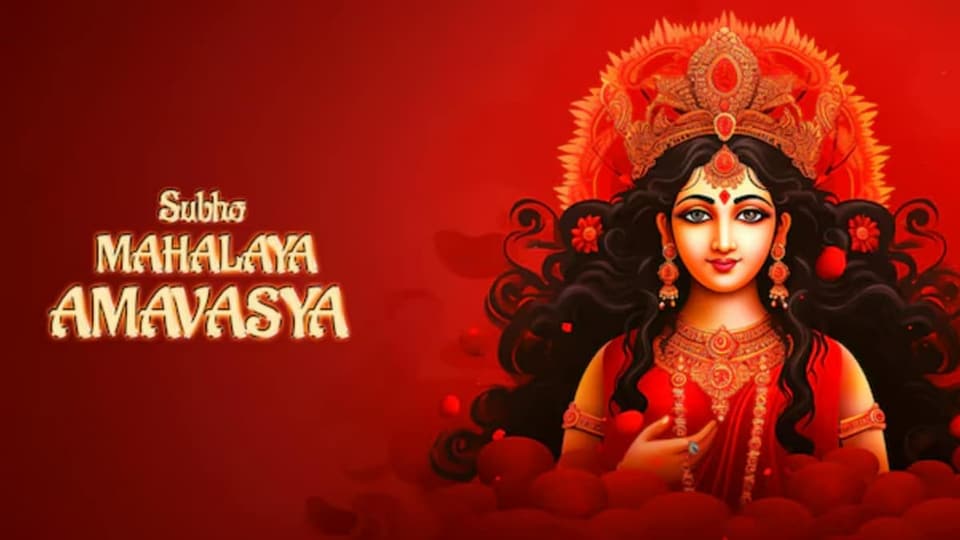
On October 10, 2026, Mahalaya Amavasya, also known as Sarva Pitru Amavasya, marks the last day of Pitru Paksha dedicated to ancestral remembrance.
The last day of Pitru Paksha offers you a moment to remember the people who came before you. On October 10, 2026, Mahalaya Amavasya, also known as Sarva Pitru Amavasya, marks the concluding day of this period dedicated to ancestral remembrance.
For many Hindu families, this day holds deep spiritual meaning. People perform rituals to honour their ancestors, but the occasion can also invite you to think about the lessons, traditions and knowledge that earlier generations passed down to you.
Sadhguru offers a wider perspective on this tradition. In his discussion of Mahalaya Amavasya, he highlights the contributions of generations that helped shape human life.
Also Read Sadhguru on Mahalaya Amavasya: What does the last day of Pitru Paksha means for spiritual seekers
What does Pitru Paksha teach us about our roots?
Your life connects you to generations you may never have met. The language you speak, the food you eat and the customs you follow often reflect the people who lived before you.
Pitru Paksha invites you to recognise these connections. You can use this time to learn more about your family history, listen to older relatives and understand the traditions that have shaped your life.
Also Read What is Pitru Paksha? The spiritual meaning behind honoring your ancestors for 15 days
Sadhguru on why you should remember your ancestors
Sadhguru describes the day as an opportunity to express gratitude to previous generations. He points out that many things you use today, from clothing to buildings and technology, reflect knowledge passed down over time.
This perspective takes ancestral remembrance beyond your immediate family. It encourages you to recognise the many generations whose efforts helped build the world you live in today.
## What can you carry forward from your ancestors?
You may inherit family traditions, practical skills, and stories that help you understand your identity. You can preserve the lessons that serve you while making your own choices about the future.
Ask your parents or grandparents about their childhood, the challenges they faced and the values they tried to pass on. These conversations can help you understand your family's journey and keep important memories alive.
How can gratitude become a spiritual practice?
You do not have to limit gratitude to a single day. You can practise it by remembering loved ones, respecting family traditions and acknowledging the efforts of people who helped you grow.
For many devotees, ancestral offerings remain an important part of Pitru Paksha. You can also use the occasion for quiet reflection on the people and experiences that shaped your life.
What does Mahalaya Amavasya mean beyond rituals?
Mahalaya Amavasya reminds you that your life forms part of a much longer human story. The day offers an opportunity to honour the past while thinking about what you want to pass on to future generations.
As Pitru Paksha comes to an end, consider what you have received from those before you and what you can contribute to the lives that follow.


