
 E-Paper



Govt opts for price controls
While price control measures are saving us from demand destruction via rate hikes, it is vital to ensure the result is not demand destruction in rural economy

 Prefer HTon Google


After tomatoes, the government appears to have shifted its attention to onion prices. With reports of onion arrivals declining in wholesale markets and prices inching up, there is reason to believe that onions might offset some of the cooling in tomato prices in the coming weeks. This is a concerning development against the backdrop of a 7.4% retail inflation print in July, which was driven to a large extent by the 37% inflation for vegetables.
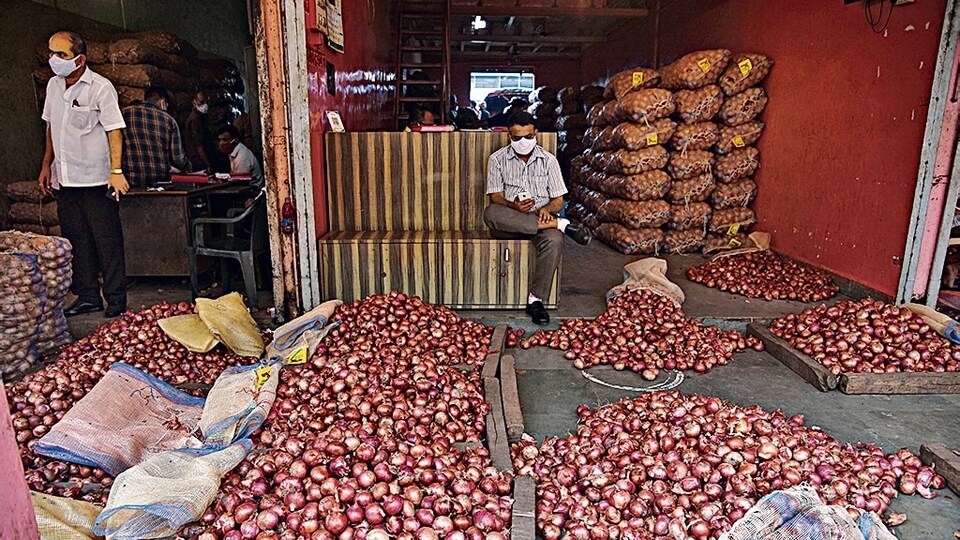
With a crucial election cycle looming, it is not surprising that the government is doubling down on price control measures. It started with releasing strategic reserves in markets and has now put a 40% duty on onion exports. To be sure, onions and tomatoes are not the only edible item on the government’s inflation radar. The ban on non-basmati rice exports had far bigger consequences for farm incomes and international prices than policy decisions in the vegetable markets. This, once again, is not surprising. Cereal prices have been uncomfortably high for the past year and are expected to harden further because of weather related and geopolitical shocks.
Is the government justified in taking such decisions?
The official distribution of responsibilities in India’s economic policy leaves inflation management to the Reserve Bank of India (RBI) which is expected to use interest rate and liquidity management tools to deal with the problem. But neither of these tools is useful in controlling food prices. Of course, it doesn’t help RBI that food items have a share of 39% in the Consumer Price Index (CPI) basket. By doing what it is doing, the government is helping douse food inflation fires in the hope that RBI will not administer another interest rate hike, which will be detrimental to the economy’s growth prospects and could even make the middle class angry ahead of elections, not least because of higher mortgage costs.
To be sure, the government’s actions are not exactly pareto-optimal. While consumers and RBI might gain because of a cap on food prices, price control measures inflict a direct cost on farm incomes. Such an intervention would be considered fair if the government also stepped into cushion farm incomes when prices crash, but often, that is not the case. While price control measures by the government are saving us from demand destruction via rate hikes, it is important to ensure the result is not demand destruction in the rural economy.


