
 E-Paper



Laying a strong foundation in school
A new framework for young students focuses on holistic learning. It can make a difference

 Prefer HTon Google


Why are school children not able to spell and compute problems at an age-appropriate level? Even before the pandemic wrought havoc on education, this was a puzzle in the Indian education system, one that flummoxed policymakers. The remedy, some experts indicated, lay in fortifying education in the foundational years of a child’s education; after all, neurobiology and cognitive development research show 85% of children’s brain development occurs in the first six years of their lives. It appears that the country is finally making strides in this direction. On Thursday, the government launched the first-ever integrated curriculum for children between three and eight with the National Curriculum Framework (NCF). An outcome of the forward-looking National Education Policy 2020 (NEP), NCF echoes and builds on NEP’s clear goal: Every child between three and eight must have access to free, safe, high-quality, developmentally appropriate early childhood care and education (ECCE) by 2025. To achieve this, NCF recommends that pedagogy move away from textbook-based learning for children between three and six and incorporate more interactive methods.
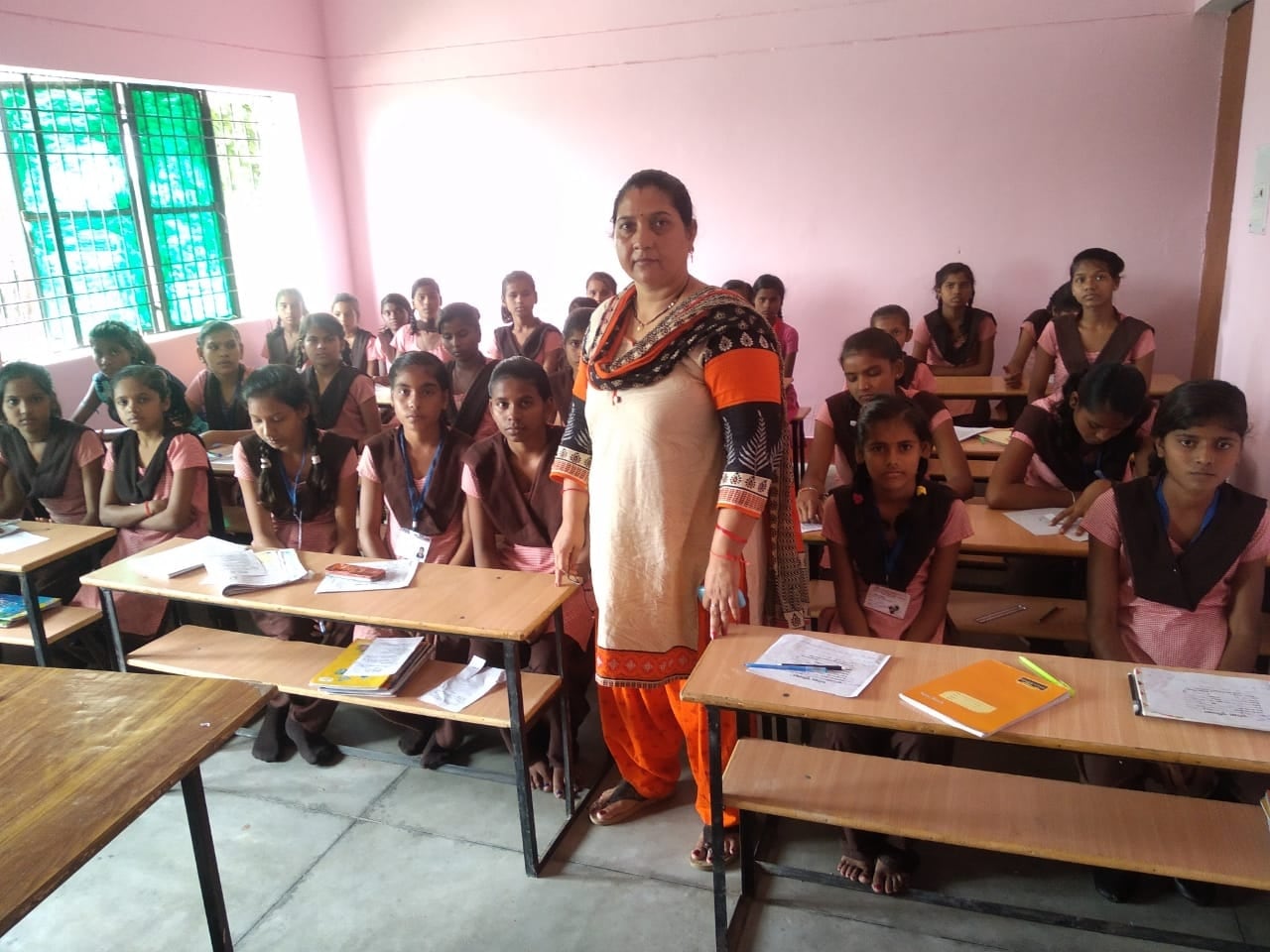
In recent years, ECCE and preschools have become a singular policy focus in the developed world. It is heartening that India is now moving in that direction. NCF builds on India’s history of child-centric schemes, such as the Integrated Child Development Services (ICDS), which was established in the 1970s to improve children’s health, nutrition, and education. However, it has now become apparent that ICDS focuses more on health than education. Though this is an essential function, it has created a gap because underserved communities cannot access preschools. Moreover, Anganwadis, where many preschoolers go and which form the fulcrum of the ICDS system, are often short of supplies and infrastructure.
This gap in early learning has a debilitating impact on children later, and several learning-outcome studies have shown a direct link with children failing to grasp age-appropriate content in higher classes. The operationalising of NCF is non-negotiable because children are a country’s most vital human resource, and the country’s demographic dividend will have little meaning if this cohort remains uneducated and unskilled. There are other spin-off benefits of ECCE facilities too: A dependable education and health facility for young children can also free up their mothers to join the workforce, benefitting the family, society and the economy.


