
 E-Paper



More teeth for the aviation regulator
Any law to give the DGCA statutory powers must consider keeping the regulated off the board

 Prefer HTon Google


A committee has recommended turning the Directorate General of Civil Aviation (DGCA) into a statutory Civil Aviation Authority of India, with its own law, its own money and control over its own hiring. DGCA’s record over the past year makes the case. Nearly half its 1,630 sanctioned posts are vacant. A parliamentary panel said in March that recent incidents, including the Air India crash in Ahmedabad that killed 260 people, revealed “systemic rather than episodic failures”. And when IndiGo’s schedule collapsed last December, the regulator granted the airline exemptions from crew-fatigue rules that pilots had spent 13 years in court to win.
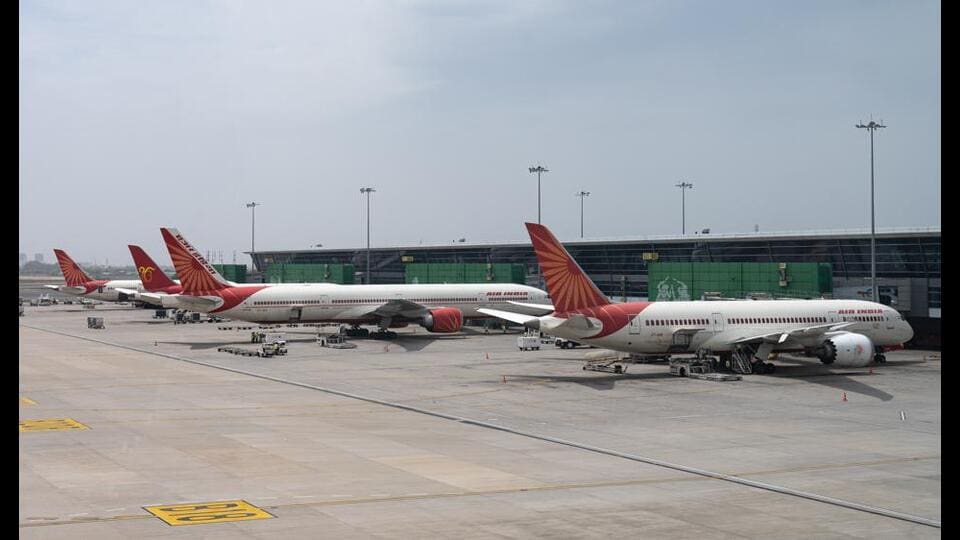
The December waiver showed how little room the regulator has. Indian aviation has become a duopoly in all but name: Two airline groups carry most of the country’s flyers, and DGCA cannot ground or seriously penalise either without stranding much of the travelling public. IndiGo’s meltdown hit more than 300,000 passengers in three days. Air India has gone from a fatal crash to sacking a pilot found to have used a psychoactive substance before a turbulent Phuket flight. With lapses running from the cockpit to the boardroom at the only two airlines of scale, a weak regulator puts the entire system at risk.
The proposal targets the right constraints. As an attached office of the civil aviation ministry, DGCA cannot pay the engineers and inspectors it needs what the market pays them, and every investment waits on a budget cycle. An Aviation Safety Fund, fed at least partly by a potential ₹15 levy on departing passengers, and control over hiring and pay would ease problems significantly. A five-year tenure for its leaders, written into a law Parliament must pass, would make the authority harder to lean on.
The proposed board, however, could risk carrying over the old regulator’s weaknesses. The director general would head it, with whole-time members from the existing DGCA cadre alongside part-time members drawn from the industry. While it may be inescapable, giving the industry seats on a safety regulator’s board invites the pliancy December exposed, and the ministry pulled up DGCA as recently as July over officials’ undisclosed family links with the airlines it oversees. Any law should consider keeping the regulated off the board and confine the industry to an advisory role. It must also say who conducts the “specialised search and selection” for the top posts, because leaders picked behind closed doors will be no more independent than the old ones.
Funding needs the same scrutiny. An authority that pays its way partly through the penalties it imposes has a financial stake in imposing them, and an annual CAG audit does not remove that incentive. Penalties belong in the Consolidated Fund of India; the levy and fees should suffice.
To be sure, a statute does not guarantee independence; India’s statutory regulators have mixed records. But an attached office of a ministry cannot be independent at all, and that is what DGCA is today.
All these discussions come at a time of international scrutiny. A team from the US Federal Aviation Administration assesses India’s safety oversight next month, and as recently as August 2025 the ministry told Parliament that direct recruitment by DGCA was not under consideration. The plan should not end up as a mere gesture for foreign auditors. Vacancies can be filled now, without waiting for a bill. Flyers are owed a regulator that answers to their safety, and to nothing else.


