
 E-Paper



To combat drought, restore degraded land
India has featured in the UNCCD assessment as one of the severely drought-impacted countries

 Prefer HTon Google


India has featured in the UNCCD assessment as one of the severely drought-impacted countries. Nearly two-thirds of the country suffered drought from 2020 to 2022. Investing in land will build resilience in communities, fight poverty, and also, crucially, help in carbon sequestration.
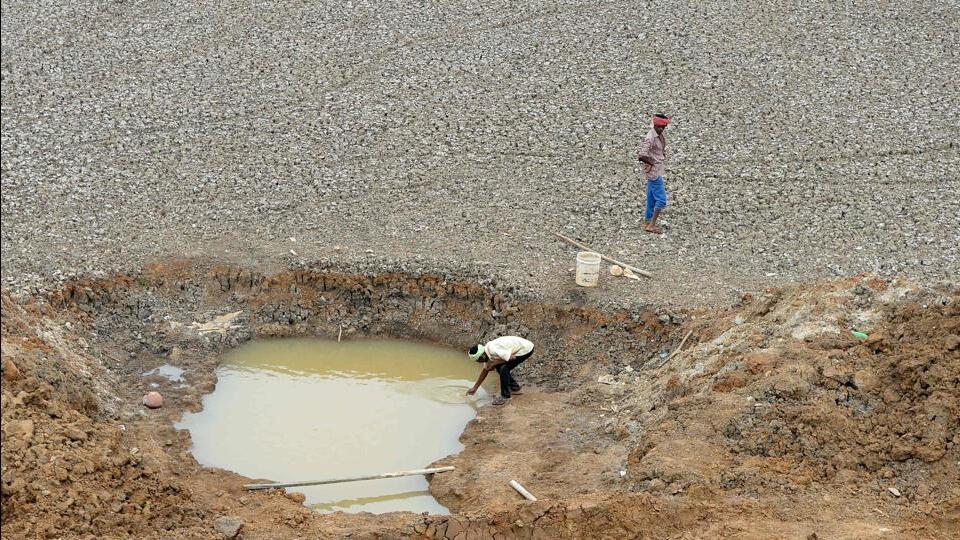
In yet another reminder that there needs to be a much greater focus on the planet’s health, a new report has warned that humanity is “at a crossroads” when it comes to managing droughts. The United Nations Convention to Combat Desertification (UNCCD)’s Drought In Numbers, 2022, released on May 11, points towards a rise in the duration of droughts and the severity of impacts on human societies and ecological systems. According to UNCCD, since 2000, the number and duration of droughts has risen 29%; droughts represent 15% of natural disasters, but took the largest human toll, approximately 650,000 deaths from 1970-2019; and in 2022, more than 2.3 billion people face water stress with almost 160 million children exposed to severe and prolonged droughts. Last year, UN reports said droughts are on the verge of becoming the next pandemic and that the climate crisis is going to further the occurrence of droughts.
Alarmingly, scientists at Ghent University, who analysed 40 droughts, also found that like wildfires, they can be self-propagating. While fires propagate downwind by igniting more and more “fuel” in their surroundings, droughts do so by reducing their rainfall supply by drying the land surface. The self-propagating character of droughts may lead to even more significant and more rapidly evolving events in the future and further exacerbate water scarcity and associated socioeconomic and environmental consequences.
India has featured in the UNCCD assessment as one of the severely drought-impacted countries. Nearly two-thirds of the country suffered drought from 2020 to 2022. Studies have also shown the country’s drought-prone area has increased by 57% since 1997. If drought is a problem, sustainable land management is the solution. This must be done on a war-footing for ecological reasons and the co-benefits: Investing in land will build resilience in communities, fight poverty, and also, crucially, help in carbon sequestration.


