
 E-Paper



‘Death to spies’: The real Soviet agency SMERSH that inspired James Bond’s deadliest enemies
As Robert Pattinson inherits the “license to kill”, it is worth revisiting one of the most sinister names in Ian Fleming’s spy universe: SMERSH.

 Prefer HTon Google


When Robert Pattinson steps into the gun-barrel sequence as James Bond, he won’t play a sun-tanned playboy. Across Tenet and The Batman, he has built a career on haunted operatives, men who look as though they drink martinis to quiet the noise in their heads. If 007 is heading back into the shadows, he needs an enemy to match.
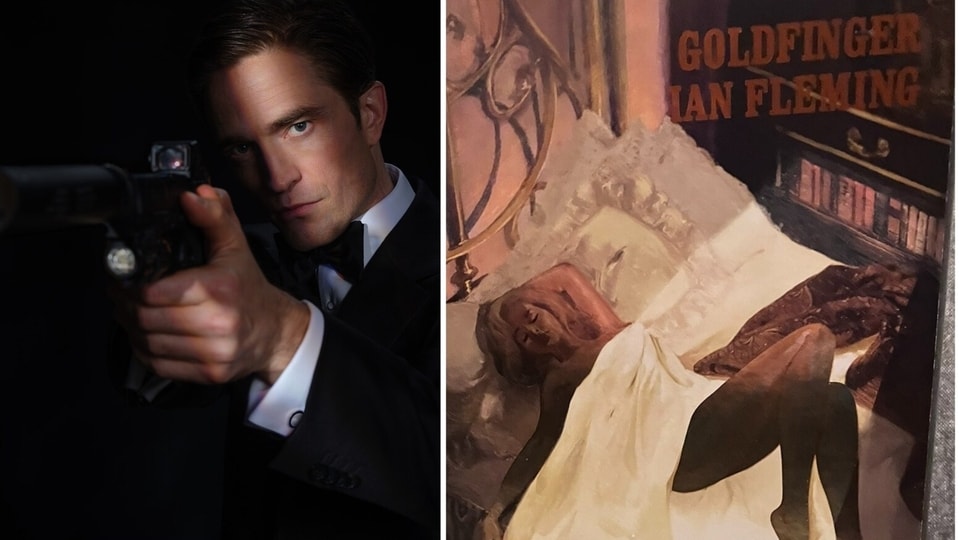
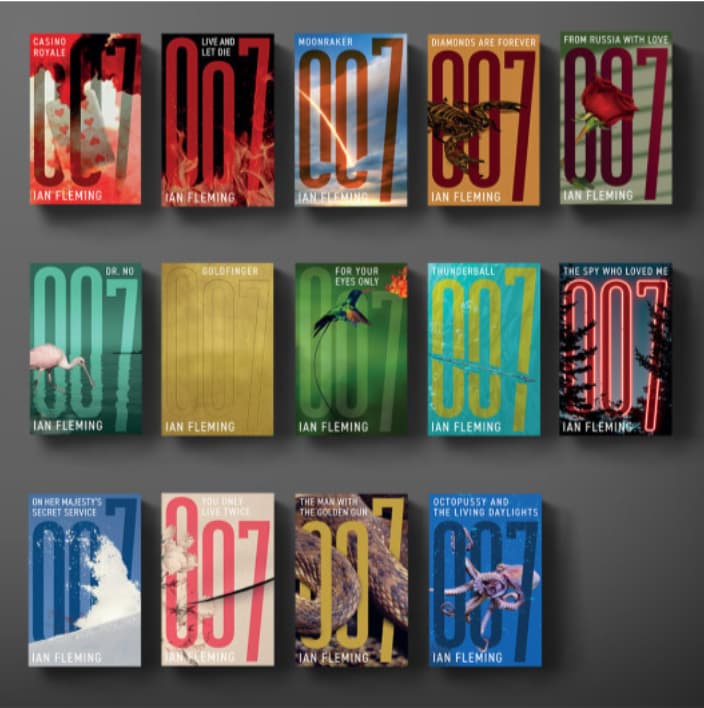
Long before EON Productions turned Bond’s foes into extortionists in hollowed-out volcanoes, Ian Fleming pitted 007 against SMERSH. To readers of Casino Royale, Live and Let Die, From Russia with Love, and Goldfinger, the name read like pulp invention. In reality, Fleming lifted it from a Soviet counterintelligence agency whose three-year run during World War II left its mark on World War II and influenced the British intelligence officer who created Bond.
Film audiences barely saw a trace of it. When producers launched the franchise in the early 1960s, they sidestepped Cold War politics, shelving Fleming’s Moscow apparatus in favour of SPECTRE, a borderless crime syndicate. Cinema gained a franchise-ready villain, and SMERSH vanished from the screen.
‘Death to spies’
SMERSH, short for the Russian phrase Smert Shpionam or “Death to Spies”, was the Soviet Union's main military counterintelligence organisation. It operated from 1943 to 1946, during the final years of World War II.
Established on April 19, 1943, when the Soviet Union was fighting Nazi Germany, the agency was tasked with countering German espionage behind Soviet lines. German intelligence services were sending agents to gather military secrets, infiltrate the Red Army and disrupt its operations, according to a report by The Los Angeles Times.
The name was reportedly chosen by Joseph Stalin. Historian Vadim Telitsyn said the Soviet leader rejected a suggestion to call it “Death to German Spies”, asking why the name should be limited to German agents.
SMERSH's mandate was broader: to identify enemy spies, investigate suspected betrayal and prevent sensitive military information from reaching the enemy.
How SMERSH used ‘radio games’ to catch spies
One of SMERSH’s key tactics was to trick German intelligence using captured spies, in operations known as “radio games”. Instead of shooting every captured agent, SMERSH sometimes forced them to keep transmitting, pretending to work freely behind Soviet lines and asking for money, weapons and new recruits.
Berlin never knew. It kept sending supplies and reinforcements, and SMERSH was waiting at every drop. The same channel carried false reports about Soviet troop movements and planned attacks, steering German commanders the wrong way.
Double agents, coded messages, secret meetings and carefully laid traps: it reads like a Bond plot. But the radio games weren’t entertainment. They shaped military decisions and decided whether agents lived or died.
That’s pure Bond, except it happened in reality.
The fear behind the name
SMERSH’s reputation came not only from beating Nazi spies but from the fear it spread at home. Under Stalin’s security system, even suspicion of disloyalty could be dangerous, and SMERSH’s reach went well beyond German agents. It investigated civilians, soldiers and anyone suspected of backing groups opposed to the Soviet government.
Even war veterans weren’t safe. Returning prisoners of war were often treated as suspects, accused of cooperating with the enemy or giving up secrets in captivity. In Ukraine, SMERSH faced accusations of extreme brutality against nationalist movements, including arrests, killings, deportations and collective punishment of communities.
Historian Vadim Telitsyn, who wrote a book on the agency, says SMERSH answered to almost no one and could arrest anybody, from peasant to official. In his words: “The word ‘SMERSH’ terrified even Soviet officers who had fought the war.”
From Hitler's bunker to the pages of history
In the war’s final days, SMERSH was drawn into the investigation of Adolf Hitler’s death. After Soviet forces took Berlin, remains recovered from the bunker were examined, and fragments of the jaw and skull were sent to Moscow. According to the Russian Armed Forces Museum, the rest was kept in East Germany until 1970, when the Soviet leadership ordered it destroyed.
The inquiry was part of Moscow’s effort to establish what had happened inside the collapsing Reich. By then, SMERSH was nearly finished. It was dissolved under that name in May 1946, barely three years after it began.
How Ian Fleming gave SMERSH a second life
When Ian Fleming published Casino Royale in 1953, he reached into Soviet intelligence history for one of Bond’s earliest enemies. He knew the espionage world well. During World War II he served in Britain’s Naval Intelligence Division, working on intelligence planning and operations to mislead Nazi Germany.
That experience fed the Bond novels, though Fleming turned the realities of spycraft into tales of international conspiracy and deadly encounters. In Casino Royale, SMERSH became a powerful Soviet organisation hunting enemies of the state, including Western agents. It returned in Live and Let Die, From Russia with Love and Goldfinger.
As the Bond universe grew, SMERSH was joined by SPECTRE, an international criminal network led by Ernst Stavro Blofeld (a supervillain in the Bond films). Answering to no government, it became the franchise’s main villain on screen.
Putin's move to revive SMERSH
SMERSH came into focus in January 2024 after Britain's ministry of defence reported signs of its revival in Russia. The assessment followed claims by Russian politicians in late 2023 that the Soviet-era organisation was being re-established by Russian President Vladimir Putin, as per a report in the Business Insider.
The report pointed to an open-source photograph from early January showing Russian operatives apparently wearing SMERSH patches. British intelligence said it was unclear whether this was a newly created unit or an existing agency rebranded under the historic name.
The ministry linked the development to the Kremlin's efforts to portray the war in Ukraine as a struggle similar to World War II. There was no confirmation that Putin formally established a new SMERSH agency.


