
 E-Paper



What the bypoll results reveal
he losses suffered by the Samajwadi Party and the Aam Aadmi Party underline that no political contest can be taken for granted

 Prefer HTon Google


Bypolls are usually local in nature. With little impact on the overall stability of the state or central government, the interest of the electorate is largely muted, the incumbents hold an advantage and turnouts are usually depressed. Hence, any extrapolation of the results of a particular by-election to statewide or even national politics must be done cautiously.
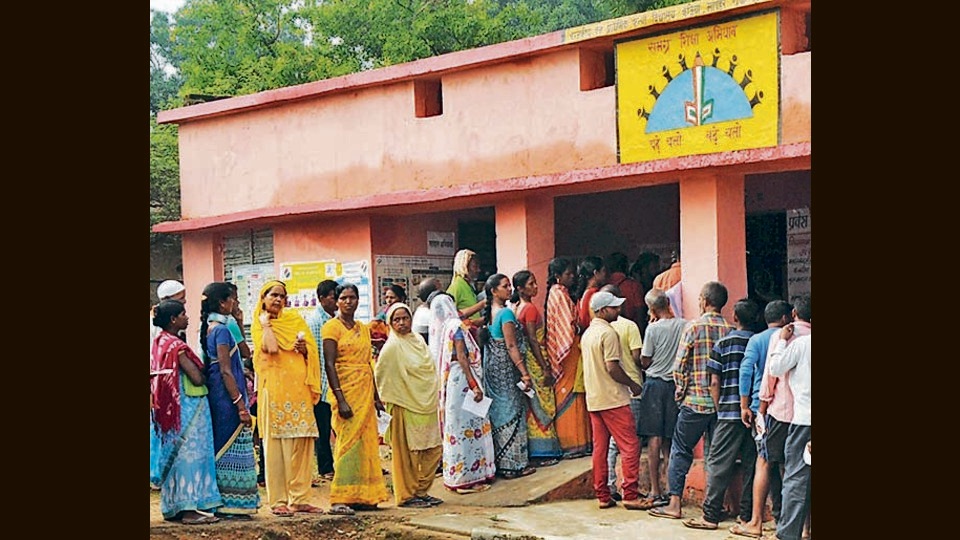
Even with these caveats in place, it will not be an exaggeration to say that the results of the bypolls to three parliamentary constituencies across two states and seven assembly constituencies across four states spelt bad news for India’s Opposition parties while cementing the stature of the Bharatiya Janata Party (BJP) as the central pole of Indian politics.
The results of the seven assembly bypolls were largely in keeping with expectations, with the ruling party in the particular state emerging the winner. In Andhra Pradesh, Jharkhand and Delhi, the ruling party won the assembly seat on offer and in Tripura, the incumbent BJP won three of the four seats that went to the polls, with the other going to a popular Congress candidate. Once again, despite putting in considerable effort and money, the Trinamool Congress failed to make any breakthrough in the northeastern state.
But the results of the three parliamentary polls threw up surprises. In Uttar Pradesh, the BJP trounced the Samajwadi Party (SP) in its pocket boroughs of Azamgarh and Raipur and in Punjab, veteran Panthic leader Simranjit Singh Mann snatched the Sangrur seat away from the Aam Aadmi Party (AAP).
To be sure, in UP, the BJP won a historic majority just three months ago but the twin victories on Sunday hold significance because Azamgarh was represented by SP chief Akhilesh Yadav, and his father Mulayam Singh Yadav before him. It is a seat the family didn’t lose during the 2014 and 2019 general election even as it was routed across the state. For the party to suffer a defeat in a seat it won by 250,000 votes in 2019 is a significant setback. It may blame the Bahujan Samaj Party, which polled close to a third of the votes cast, but the lacklustre SP campaign indicated that the party had thought victory was assured its pocket borough – a costly mistake in an era where Opposition parties have to be alert to the aggression of the BJP in every electoral outing.
In Rampur, too, the perceived alienation of senior leader Azam Khan, who held the seat, appeared to have contributed to the party’s loss in a seat it won by more than 100,000 votes in 2019. Mr Khan, who was in jail on corruption charges till he recently made bail, has scotched speculation of his growing differences with Mr Yadav but the results made it clear that the SP’s candidate failed to gain popular acceptance.
But the biggest surprise of the day came from the city of Sangrur in Punjab where little fancied Mr Mann managed to snag chief minister (CM) Bhagwant Mann’s seat, and defeat AAP in the CM’s own assembly constituency. The shock defeat is a wake-up call for the ruling party that swept to power in March but has since been bogged down in law and order problems, and a reminder that in Indian politics, no election, howsoever small, can be taken for granted.


