
 E-Paper



What the DGP row may entail
Punjab’s move highlights the strain in the federal framework. All eyes are now on SC

 Prefer HTon Google


A face-off between the Union government and a clutch of powerful states run by Opposition parties just got more aggressive. On Tuesday, Punjab passed a bill that sought to do away with the Supreme Court (SC)-mandated process to appoint the state chiefs of police, replacing a panel set up by the Union Public Service Commission (UPSC) with a seven-member committee. In the line of fire are the SC guidelines in the landmark 2006 Prakash Singh vs Union of India judgment, when the court issued a slew of directions to insulate state police forces from pressures of political executives. The directions aimed at propelling police reform by providing for fixed tenure for directors generals of police (DGPs) and warding off unwarranted influences. The court said it would be mandatory for the states to prepare a list of senior police officers at least three months prior to the retirement of the incumbent and send it to UPSC. UPSC would then prepare a panel of three candidates and inform the states, which in turn, would appoint one of the people from that list. Punjab’s new bill attempts to tweak this process.
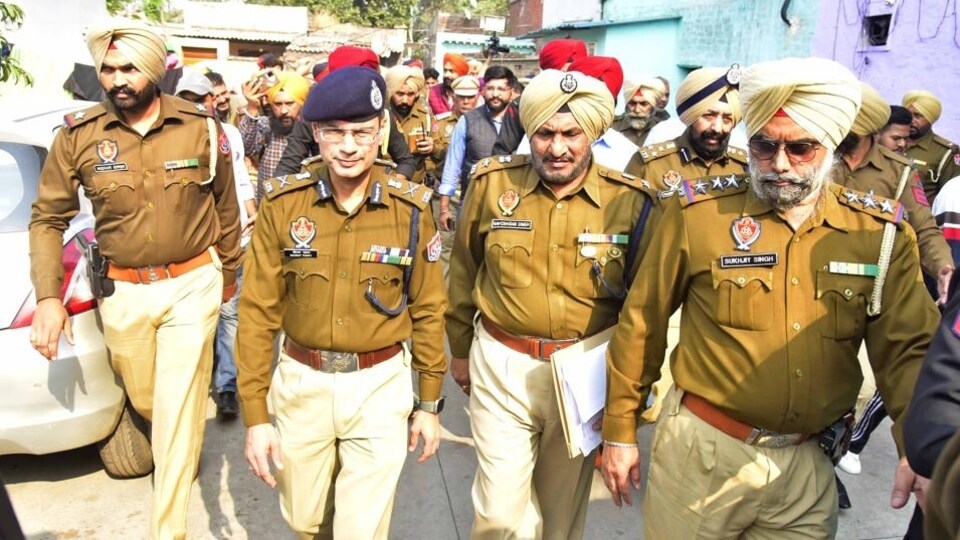
It is evident that the move is part of a pattern of strain in India’s federal fabric – one that has manifested itself before in confrontation over state finances, appointment of governors and implementation of laws. Clearly, a breakdown in communication between the Centre and some states, and rising politicisation of institutions, means that some states want autonomy from the Centre in matters that fall under their domain — even if it means setting up a potential confrontation with the judiciary. More remarkably, the conflict over appointment of DGPs appears to bridge ideological differences. In 2018, of the five states that approached the apex court for modification of the Prakash Singh judgment, two were ruled by the National Democratic Alliance (Haryana and Bihar), and three by Opposition parties (Kerala, West Bengal and Punjab). Another state, Uttar Pradesh, removed its top cop in 2022 and has appointed acting DGPs since, effectively bypassing the court-directed process.
Clearly, many states want a greater say in the appointment of their police chiefs. This appears to run contrary to the ethos of the Prakash Singh judgment, which sought to insulate the process from political influences at the state level. This ongoing calibration of the federal balance will also shape police independence and conduct. All eyes will now be on the top court.


