
 E-Paper



The Sino-US dynamic: Trade, war, possible peace | Number Theory
The first Donald Trump presidency started America’s trade war against China, and even the Joe Biden administration that came after did not really walk it back.
Published on: May 14, 2026, 08:44:22 IST

 Prefer HTon Google
Share via


Copy link

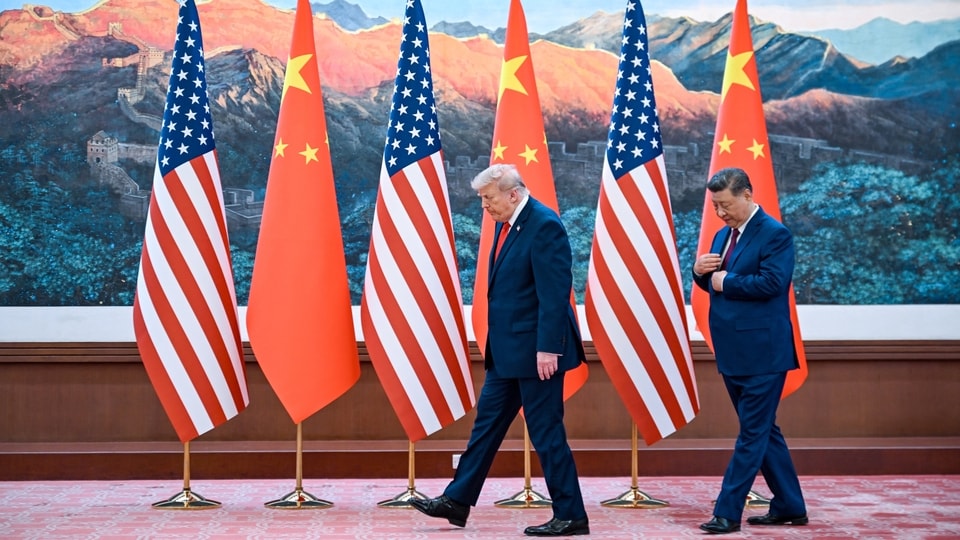
US President Donald Trump landed in Beijing on Wednesday for what is perhaps the most important visit of his second presidency. Trump last visited China in 2017 and this is the first in-person bilateral between the top leaders of the US and China. Trump’s rhetoric on protectionism to revive the US economy has not changed since his first term, but this meeting is happening in a very different economic and geo-political context. Here’s why:
The Sino-US dynamic: Trade, war, possible peace
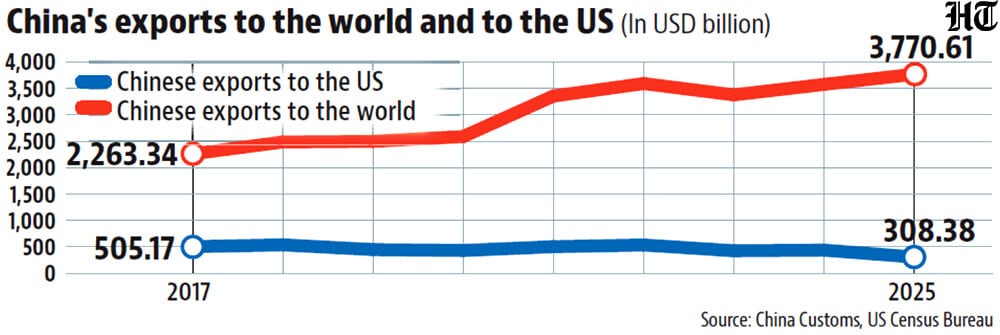
 Trump’s trade war did not hurt China’s export prowessThe first Trump presidency started America’s trade war against China. The idea had bipartisan support and even the Biden administration that came after did not really walk it back. Trump 2.0 took the war to a different level. At its peak, US tariffs on China were 145%. Did this hurt the Chinese economy? Trump might think it did; the rest of the world will disagree. Chinese exports to the US fell by more than $230 billion between 2018 and 2025 to $308.4 billion. But China’s overall exports increased by $1.28 trillion during this period. China’s manufacturing and export prowess in the world is not only larger today, it is also wider across sectors. For example, China is now the world’s largest car exporter by number of units, a position it reached by overtaking Japan in 2023.
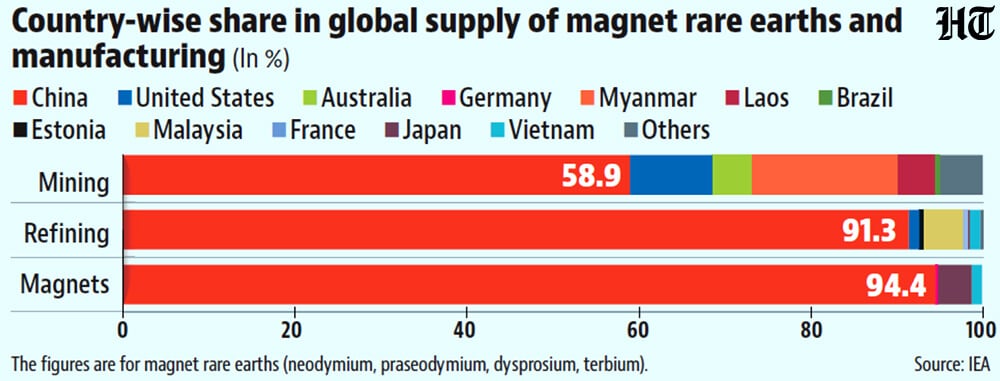
- But it invited a painful economic backlash by the ChineseThis is a story of the new-age choke points in global value chains. When Trump imposed his triple-digit (CHECK) tariffs on China, the Chinese also responded with a hike in tariffs. But the more painful response from the Chinese, as irony would have it, was to stop exports to the US; not all exports, but exports of absolutely essential rare-earth supplies which are indispensable for a wider range of electronics manufacturing. Because China dominates the supplies of these inputs, there was little Trump could have done, except walk back his tariffs and work out a bilateral deal. As of now, rare-earth supply chain control is China’s biggest insurance against a hostile US.
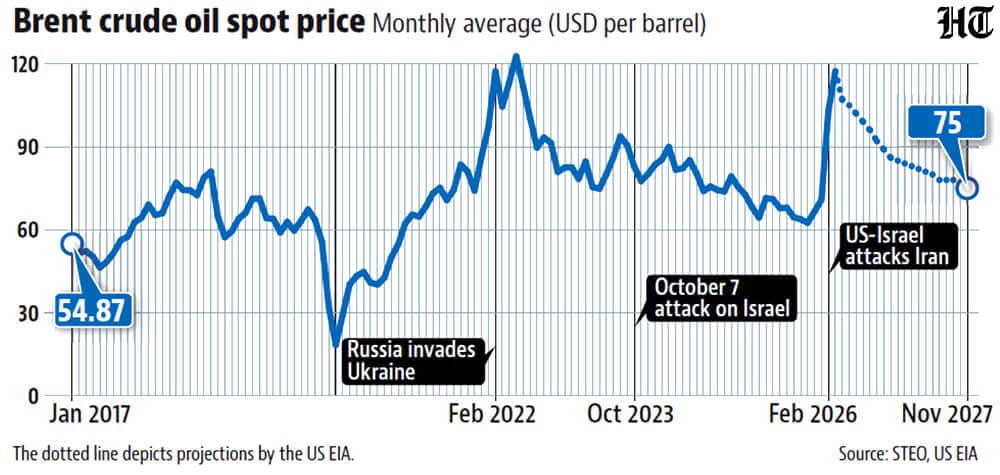
- Geopolitics has gone from hurting Chinese proxies to bogging the US in military conflict with unprecedented economic implicationsOne thing which neither China nor US had factored in their bilateral relationship were the October 7, 2023, attacks on Israel by Hamas. Israel, since the attacks, has been in an almost continuous state of war, which started from the Gaza strip, went into Lebanon, Libya, Iran and eventually all major oil exporting countries in the Persian Gulf. The initial phase of the military conflict weakened and even disposed off forces which were closer to Russia and Iran – Hezbollah in Lebanon, Bashar-al Assad in Syria, Houthis in Yemen and, although not connected from the West Asian conflict, the Maduro regime in Venezuela. However, things started going south for the US quickly once Israel and US launched a full invasion on Iran in February. After Iran closed the Strait of Hormuz for maritime traffic, energy supplies have suffered what the International Energy Agency has described as the biggest supply shock in the history of capitalism.
- What we understand...Had it not been for the war in West Asia, Turmp’s visit to China would have been considered a success had he secured things such as investment commitments in the US. Now, it is being seen as the world’s two most powerful countries meeting in the backdrop of the biggest oil shock to the world and the expectations would be whether something materialises vis-à-vis the war and not just Sino-US deals. This is exactly what will make Trump’s visit the biggest test for Beijing’s great power ambitions too. Will Xi Jinping even try to nudge Trump towards settling the ongoing hostilities in West Asia or will he be content with protecting and advancing China’s interests?



Unlock a world of Benefits with HT! From insightful newsletters to real-time news alerts and a personalized news feed – it's all here, just a click away! -Login Now!


