E-Paper



Odisha asks schools to ensure 100% pass rate in Matric, A1 grade for 5% students
The OSEPA asked districts to ensure 100% results in all the secondary schools and ensure that at least 5% students of each school secure A1 grade.

 Prefer HTon Google


Ahead of next year's Matric exam to be conducted by the Odisha's Board of Secondary Education (BSE), the state School and Mass Education Department has issued an advisory to the students to devote at least 10-14 hours for preparation as part of the state government's goal of 100 per cent pass result.
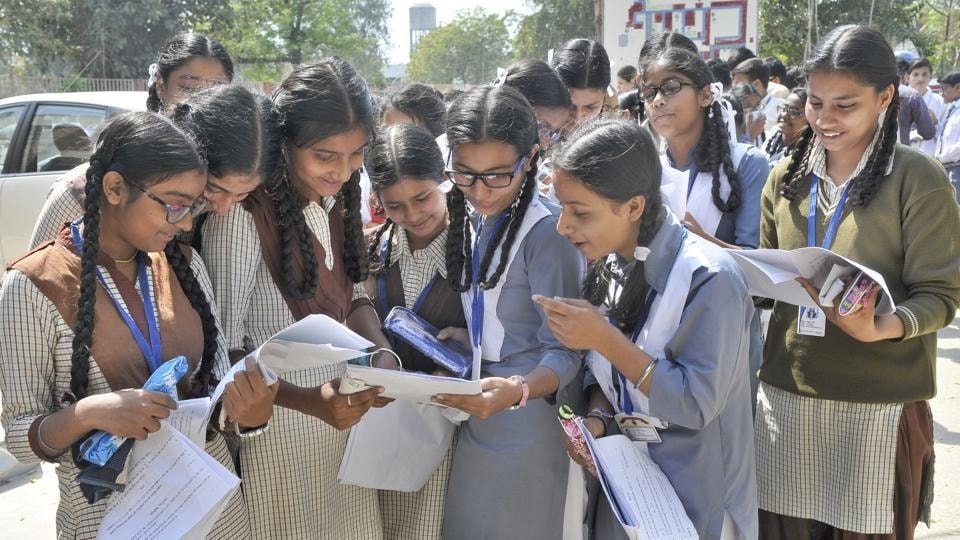
The Odisha School Education Programme Authority (OSEPA) in a letter to all district education officers of the state asked them to hold meetings in each of the high schools on November 4 where the students would be given tips on how to score more marks in next year's annual high school certificate examination to be conducted between February 20 and March 4.
In the Odia advisory titled "some easy ways to prepare for board exams", the OSEPA said the students need to prepare a timetable for studying at least 10-14 hours a day for good marks in the exam. "The students can sleep between 10 pm and 4 am or 11 pm and 5 am. If there are 7 topics in science and you have to finish it in 20 days then you have to devote 2 days for each topic so that you can cover the topics in 14 days. The rest 6 days can be used to revise the topics," the advisory said.
It further advised the students to drink 6-8 glasses of warm water everyday for easy digestion during the examination. "Don't eat oily food from outside as that would make the students feel sleepy. Before sleeping it is better to drink warm milk or warm lime water for sound sleep. The students can also take the help of sample papers," the advisory said.
The OSEPA in the letter asked the districts to ensure 100 per cent results in all the secondary schools and ensure that at least 5% students of each school secure A1 grade(more than 90 % mark). Under the programme titled Sunischita initiatives, the authority asked the secondary schools to begin preparation for the board examination soon after the half yearly examination gets over.
"There would be five special classes in Mathematics, Science and English at the school level and specific time would be set aside at the school level. The headmaster and the subject teachers would prepare a time table for these special classes. The schools must ensure achievement of 100 per cent results with greater number of A1 achievers failing which the schools will have to give explanation to the authorities. Any slackness or negligence on the part of any stakeholder in accomplishing the target will be seriously viewed. The best three schools achieving 100 % results along with highest no of A1 success will be felicitated by the administration," the letter said.
The advisory drew criticism from educationists and school teachers who said the race for more marks and higher pass ratio would unnecessarily burden the students. "This year more than 96 per cent of the 5.21 lakh students passed the Matric examination which is a great show. The mad race for more pass percentage and stress on more marks would put the students under greater stress. the Class 10 marks have no bearing on the future success of a student. Many schools in districts like Kalahandi and Koraput are grappling with teacher shortage. How would the students in those districts manage," asked Adhikari Radhakanta Dash, an educationist of Kendrapara district.
As per statistics of the School and Mass Education Department, 891 headmaster posts and over 34,000 Trained Graduate Teacher posts are vacant in 3207 Aided High Schools across Odisha.
Bansidhar Bhuyan, the vice president of Odisha Secondary School Teachers Association said instead of issuing advisories to schools on how should the students study, the department should first address the chronic issue of teacher shortage. "In schools of many districts, one teacher has to double up as mathematics and science teacher as no new teacher have been appointed for years. The department should instead focus on better learning outcome than push the students to score more marks in the matric exam. These sort of advisories would put unnecessary pressure both on the teachers and students," said Bhuyan.