
 E-Paper



Can a child actually multiply or add and subtract outside a classroom? Mumbai civic body wants to find out
The project will gauge if students actually understand and remember what they are being taught, and can use it outside a classroom or exam-paper setup.


To ensure that a school going child in municipal schools scoring well in classroom mathematics can actually multiply, or a child scoring well in the subject English can actually read, the Brihanmumbai Municipal Corporation (BMC) has decided to improve ‘learning outcome’ for students of municipal schools.
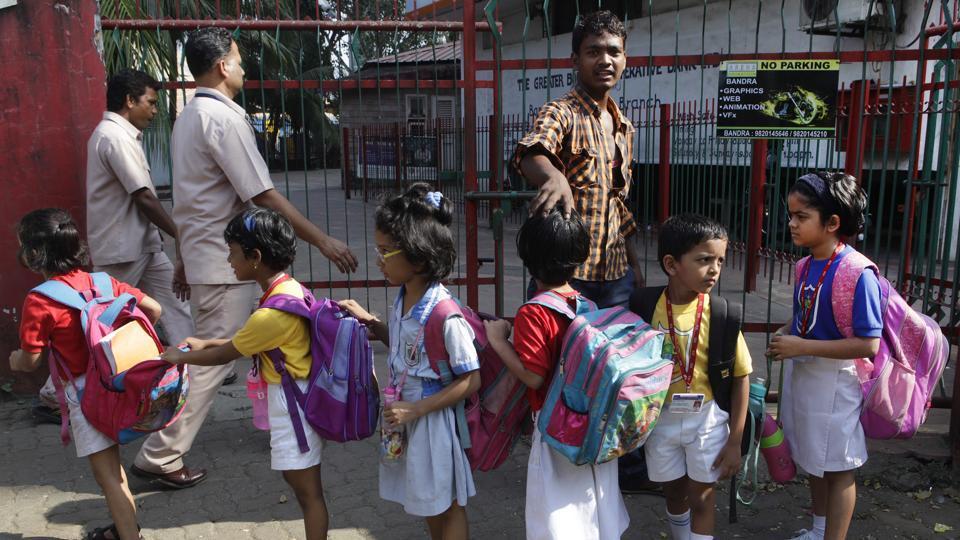
The project will gauge if students actually understand and remember what they are being taught, and can use it outside a classroom or exam-paper setup.
While this is done in municipal schools via vivas, oral exams, classroom games or surprise tests every semester, BMC is looking for ways to improve learning systems in it’s schools.
Ashutosh Salil, joint municipal commissioner who is incharge of the education department said, “Corresponding to every standard, there are supposed to be fixed learning outcomes. If a child is passing out of second standard, he is supposed to be able to add, subtract, multiply, read fluent Marathi or English. We presently have very little data to verify if this is actually happening.”
The project is based on a finding that - for example - a child scoring 70 per cent on a mathematics exam may not actually know or remember multiplication outside the exam. For this, BMC plans to collect data on the status of learning in it’s schools, before deciding the course of action, that will go through the stages of measurement of learning, monitoring learning, and evaluating the outcome.
Salil said, “As part of the project, we need teachers to come forward and tell us that their class is not good at a particular subject. This is okay to admit, and it doesn’t mean the teacher is bad, or the children are not smart. But unless they tell us, we will not be able to gauge the status of learning.”
The civic body plans to rope in non-governmental organizations to help it collate data on present status of learning. This will include interviews with teachers, students, going through exam papers, and observing the entire system to find ways to strengthen it.
Salil, “There will be a plan of action once we have understood the problem. We will take clear and definitive steps to improve learning outcomes.”


