
 E-Paper



Why emotional intelligence must become a core academic skill in India?
Research shows that students with higher EI perform better academically, experience less anxiety, build healthier friendships and are able to handle stress.

 Prefer HTon Google


A straight-A supposedly ‘perfect’ student is doing everything right on paper but struggling with internship interviews. Rejection feels unbearable. Feedback feels like failure. Burnout follows soon. It troubles them to watch classmates who were not as academically strong build better relationships, handle pressure calmly, and perform more confidently in interviews.
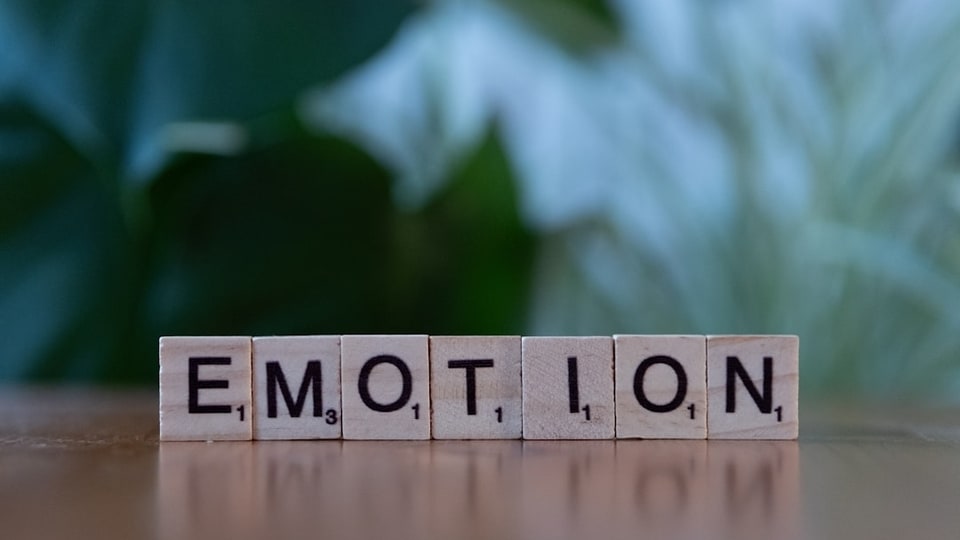
For a long time intelligence has been defined in a way that emphasises marks, ranks, scores or IQ. However, life asks for much more than that. IQ may help you achieve academic goals but Emotional Intelligence (EI) is what helps you sustain them while staying healthy, thriving and fulfilled. Research consistently shows that students with higher emotional intelligence perform better academically, experience less anxiety, build healthier friendships and are able to handle stress more effectively. It also helps students navigate the complex social and emotional demands of life.
What EI really is and why it matters more now than ever before
Contrary to popular belief, Emotional Intelligence is not just about saying ‘please’ and ‘thank you’ or about being cheerful and positive all the time. It is the ability to notice what you are feeling, understand what others around you may be feeling and the ability to choose your response wisely based on that awareness.
In simple terms, EI helps you recognize, understand, manage, and use emotions effectively. These are not personality traits one is simply born with but learned skills. Specifically in India’s high-pressure academic culture these are survival skills and like any other skill they can be taught, practiced and strengthened.
We are taught dates, definitions, and formulas as essential to navigating the world but never told how to handle disappointment, how to stay calm in high pressure situations, how to deal with jealousy, rejection, comparison or failure.
What if we were taught to understand emotions with the seriousness usually reserved for math or science?
Dr Susan David, psychologist at Harvard Medical School and author of Emotional Agility writes, “The emotional illiteracy of many adults is not a personal failure it is a systemic one. We have trained generations to suppress emotions in the name of professionalism but that repression turns into dysfunction. And it starts in school”.
Emotion education is also particularly relevant in today’s digital world of constant comparison, instant dopamine rewards and polarised opinions. An emotionally geared education can help children train their muscle of discernment and read emotional cues while practicing holding themselves accountable in their digital space. At least for now, the one thing that AI cannot replicate is genuine collaboration, empathy and the unique qualities that make us all human and if we want future generations to thrive and not just compete, emotional intelligence cannot remain optional.
How can we practically integrate emotion education into school curriculum?
To integrate emotion education into the school curriculum it must be prioritised as a way of being. Not an addition to circle time or an ‘extra subject’ but woven through interactions the entire day. For example, if a child is struggling with a math problem, the educator, in addition to explaining the solution, can gently encourage the child to identify their frustration and walk them through dealing with it. Or through literature classes, students can explore and empathise with the emotional lives of characters very different from them, helping them build perspective. Breaks are a wonderful time for children to practice interpersonal skills like sharing, resolving conflicts, setting boundaries. Short grounding or breathing exercises mandated before exams can help students reset their nervous system. These practices not only give students opportunities to use their social-emotional skills, but also show them how integral these skills are in our daily lives.
Five tips to make your memory work more effectively
Despite strong research over the past decade showing the benefits of emotional education, why is it still missing from most classrooms?
Building adult expertise
Part of the answer lies in generational patterns. Emotions have often been seen as distractions, something to control or avoid. Most parents and teachers were never taught emotional skills and someone who is out of touch with their own emotions cannot teach those skills to children. This creates a cycle with the dysfunction quietly passing down from one generation to the next, not out of intentional neglect, but out of lack of training.
No emotion education program can succeed without emotionally aware adults. Parents and educators are the primary models for children and if the adults around them struggle to regulate their own emotions, children will absorb that pattern. This means training educators and parents to build emotional awareness, regulation skills, and healthy modelling is non-negotiable.
How interdisciplinary learning fuels entrepreneurial success?
Keep it practical
While the world of emotions is extensive, sharing this skill in small, practical ways through bite-sized information and in everyday language eventually builds an internal compass to navigating the world that all children deserve to have.
It is not ‘soft skills’ training but life training. It combines mental health, relationship skills, leadership development, and career readiness into one essential foundation. Right now, our curriculum does not reflect this importance.
(This article is written by Shalini Sharma, Director, Wellness, Plaksha University, Punjab)


