
 E-Paper



US offers to educate students in Indian universities about perils of drug consumption
The United States authorities have offered to share their expertise and knowledge with college students in India, people familiar with the development said


Soon, the sleuths of US agencies, Drug Enforcement Administration (DEA) and the Federal Bureau of Investigation (FBI), could be seen giving special classes in Indian universities to tell the students about perils of drug abuse.
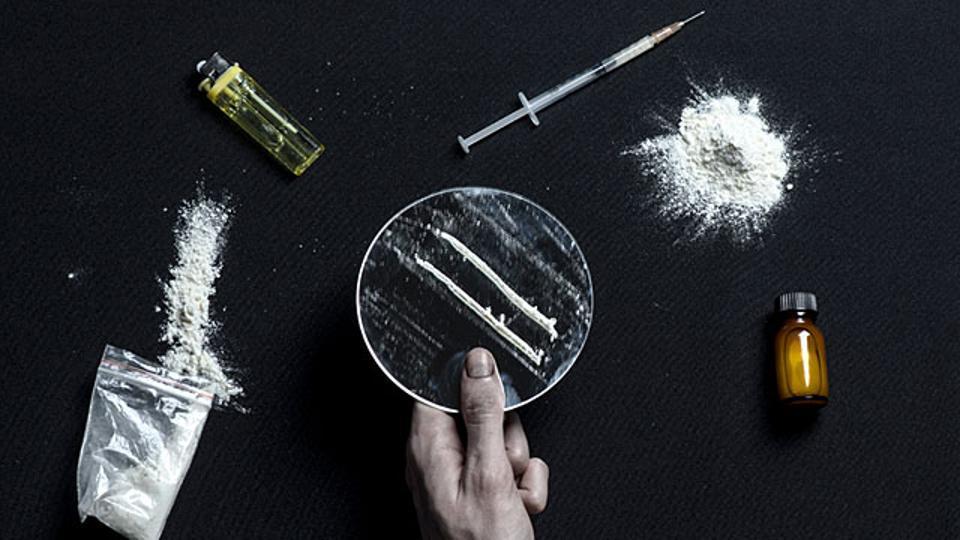
The United States authorities, during a bilateral meeting held on Tuesday to discuss a strategy to counter narcotics consumption and smuggling, offered to share their expertise and knowledge with college students in India, people familiar with the development said.
The DEA, in January this year, had published a strategic planning guide for preventing drug abuse among college students in the US, according to which campus environment offers a unique opportunity to prevent the initiation of drug use among youngsters, the consequences of which can be long lasting and devastating.
Also read | Bengaluru police arrest 10 drug peddlers, seize narcotics worth Rs90 lakh
University students, according to the DEA document, reviewed by HT, often cite four main reasons that campuses provide a rich environment for drug experimentation – ease of drug availability, lack of parental influence, normalisation of drug use among peers and low perceived risk of harm from drug use.
A national survey on extent and pattern of substance abuse in India, conducted by the ministry of social justice and empowerment in 2019, stated that about 2.8% of the population (31 million individuals) use cannabis, 2.1% population (22.6 million individuals) use opioids that includes poopy husk, heroin and pharmaceutical opioids, and about 160 million people (14.5% of population between age group of 10 to 75) consume alcohol in India.
The Centre has plans for a Nasha-Mukt Bharat (Addiction-Free India) for which several most-affected districts have already been identified. In its report, the ministry of social justice had stated that “Prevention programmes must address the risk and protective factors aimed at not just preventing substance use but ensuring that young people grow and stay healthy into adulthood, enabling them to realise their potential and become productive members of their community and society”.
Officials familiar with the engagement with US authorities said that DEA officials interacting with Indian colleges with enhance the students’ knowledge and prevention.
“The offer has been made by US officials. It’s in planning stage as of now. The modalities will be worked out later,” said an officer who didn’t want to be named.
From India, the meeting was attended by officials from Narcotics Control Bureau (NCB) including its Deputy Director General Sachin Jain, ministry of external affairs (MEA) and other agencies like Central Bureau of Investigation (CBI) and Directorate of Revenue and Intelligence (DRI). The US delegation comprised White House Office of National Drug Control Policy Assistant Director, Kemp Chester, US State Department Deputy Assistant Secretary for International Narcotics and Law Enforcement Affairs, Jorgan Andrews, and US Department of Justice Deputy Assistant Attorney General Jennifer Hodge.
A joint statement issued by both sides after the meeting said they exchanged views on the broad array of narcotics-related challenges facing the United States and India.
“They committed to strengthening their cooperation in curtailing the illegal production, manufacturing, trafficking, and distribution of pharmaceutical and illicit drugs, as well as the precursor chemicals used to manufacture them. Participants highlighted their efforts combating the drug trafficking by rules and regulation envisaged by the respective countries and proposed to share best practices for countering the synthetic opioids and precursor chemicals,” the statement said.
“The two sides also discussed initiatives to strengthen India’s regional leadership role in building capacity for counter-narcotics initiatives in South Asia; countering regional cross-border drugs trafficking and crime through enhanced sharing of operational intelligence; and expanding law enforcement cooperation on counter-narcotics issues. Both sides also agreed to cooperate and assist each other in the arena of drug treatment and awareness against drug abuse,” it said.
Further, both countries agreed to enhance their data sharing operations to combat the production, distribution, diversion, and export/import of drugs and precursor chemicals.


