
 E-Paper



How Taylor Swift's Life of a Showgirl sparked wild Nazism rumors
Research found that a small cluster of suspicious accounts helped drive false claims portraying Taylor Swift as a Nazi sympathizer or covert MAGA supporter.

 Prefer HTon Google


Taylor Swift’s latest album rollout brought the usual online frenzy. According to a new study, an unusually coordinated wave of misinformation also came with it. Research reviewed by The Mirror US and Rolling Stone found that a small cluster of suspicious accounts helped drive false claims portraying Swift as a Nazi sympathizer or covert MAGA supporter.
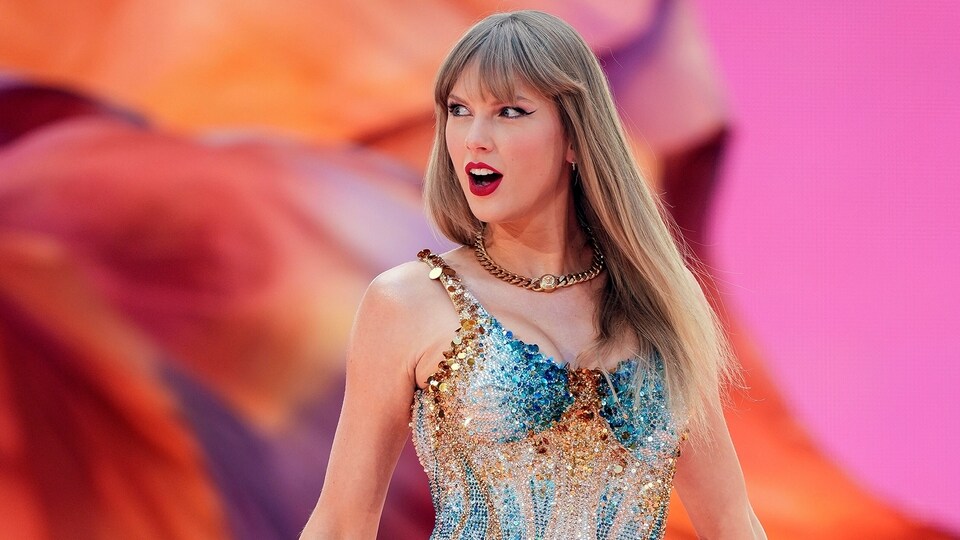
Swift released ‘The Life of a Showgirl’ on October 3. Soon after, extreme accusations spiked across social platforms. The study cited by The Mirror US reported that just 3.77% of accounts generated 28% of the conversation about the album in mid-October.
Many behaved more like bots than real users, researchers said, according to reports by Rolling Stone.
Digital-behavior firm GUDEA analyzed over 24,000 posts across 14 platforms between 4-18 October. Nearly 40% of the accounts pushing the Nazi and MAGA claims were classified as “inauthentic” or “conspiracist,” reported The Mirror US. They produced almost three-quarters of the content related to those accusations.
Also Read: Travis Kelce reveals he and Taylor Swift have never argued in their 2.5-year relationship
GUDEA founder and CEO Keith Presley told Rolling Stone, “The internet is fake… this type of espionage, or working to damage someone’s reputation, is escalating.”
How the rumors spread
According to the report, conspiracy theories focused on selective imagery, including a necklace with lightning bolts that some compared to Nazi SS symbols, as well as lyrics and album artwork.
Rolling Stone reported that the claims originated on fringe forums such as 4chan and KiwiFarms before moving into mainstream platforms, where attempts by fans to debunk them inadvertently boosted their reach.
Researchers wrote that the Nazi narrative “did not remain confined to fringe conspiratorial spaces,” per The Mirror US, pulling ordinary users into comparisons between Swift and Kanye West.
GUDEA’s head of customer success Georgia Paul told Rolling Stone she believed the activity resembled a test of whether a major fandom could be manipulated for political purposes.
The report also found overlap between accounts pushing anti-Swift narratives and those involved in a separate smear campaign targeting actress Blake Lively amid her legal dispute with director Justin Baldoni, according to Rolling Stone.
GUDEA described it as a “cross-event amplification network.”
Researchers could not determine who orchestrated the campaign or why.


Get more updates from Bollywood, Taylor Swift, Hollywood, Music and Web Series along with Latest Entertainment News at Hindustan Times.


