
 E-Paper



From Corporate Boardrooms to Home Bedside: How Two Leaders Are Redefining Healthcare at Home
Healthy Jeena Sikho, founded by Agarwal and Verma after personal tragedies, is redefining healthcare access in India.

 Prefer HTon Google


Healthy Jeena Sikho founded by Agarwal and Verma after personal tragedies, is redefining healthcare access in India.
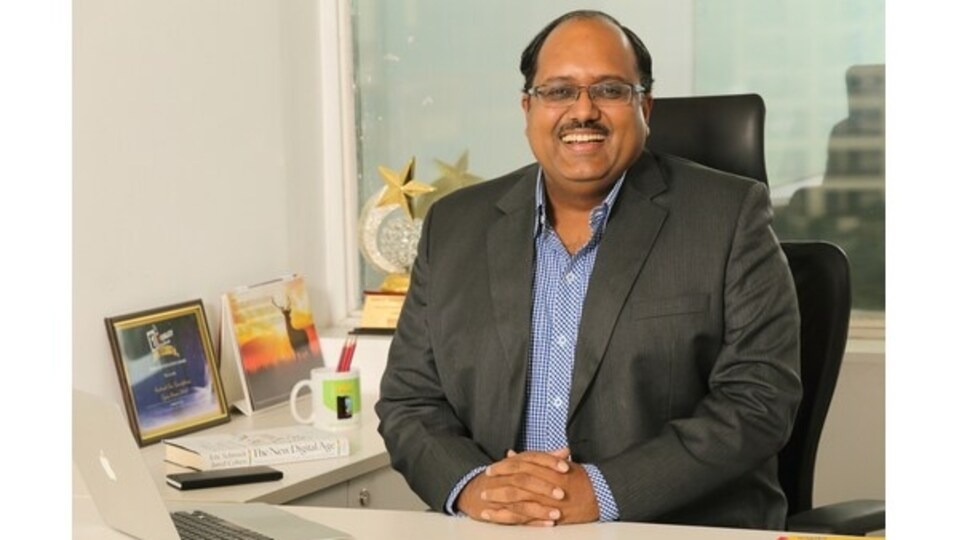
When personal tragedy transforms successful leaders into healthcare pioneers, the result is a company that's redefining how India ages with dignity.
In the gleaming boardrooms of corporate India, Saket Agarwal and Jatinder Verma were the epitome of success. Agarwal, as Global CEO of the Spice Group, commanded international markets. Verma, as CEO and Group CTO of one of India's leading Railway BPOs, orchestrated complex technological solutions for millions of commuters daily. Their professional trajectories seemed destined for corner offices and stock options.
But life had different plans.
The transformation began in hospital corridors and at home bedsides, where both men found themselves navigating India's healthcare system not as executives, but as sons. For Agarwal, it was years spent caring for his mother through Parkinson's disease and six surgeries. For Verma, it was the devastating loss of his mother to cancer after battling for many years, witnessing the healthcare battle firsthand.
"We realized that India's true healthcare crisis wasn't happening in hospitals—it was happening in homes, where millions of families were struggling without proper equipment or support," reflects Agarwal. "The gap between hospital discharge and home recovery was where dignity was being lost."
This realization became the foundation of Healthy Jeena Sikho (HJS), a company that has grown from personal mission into India's most trusted home healthcare equipment provider, serving over 100,000 families across nine cities while maintaining a 4.9-star rating and achieving 70% year-over-year growth.
Redefining Healthcare Access
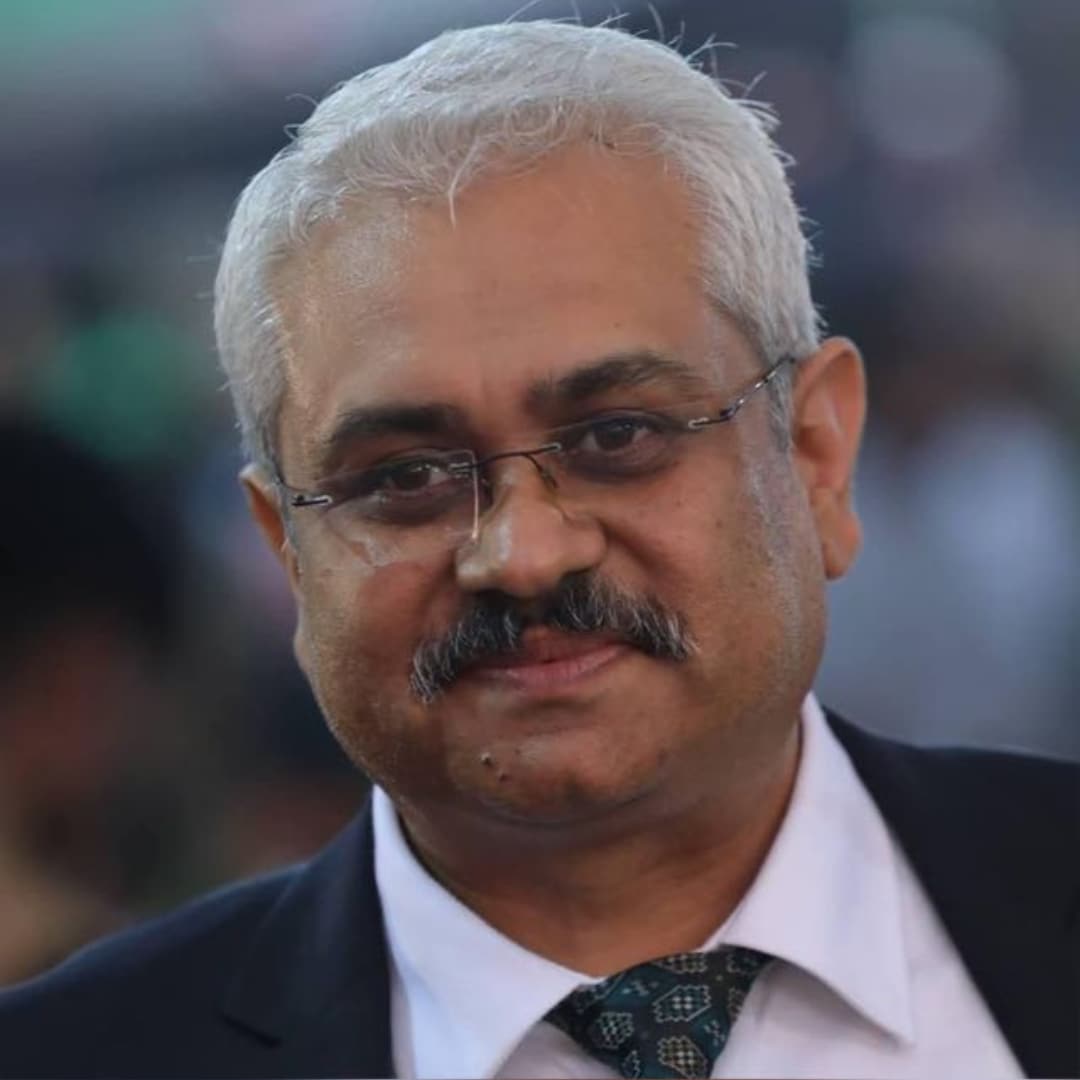
What sets HJS apart isn't just what they do—it's how they think about the problem. While traditional medical equipment companies focus on sales, HJS built their entire model around a simple insight: most families need medical equipment for 2-4 months, not forever.
"When your father needs a hospital bed after surgery, you don't need to own it for life—you need access to it for recovery," explains Verma. "By focusing on rentals at just 10% of the equipment cost, we made dignity affordable."
This rental-first approach has created an entirely new category in Indian healthcare. Today, HJS processes over 2,000 transactions monthly. The real impact is measured in recovery times: families using HJS equipment show a 30% improvement in patient recovery, with average recovery periods dropping from six months to under four months across their sample size of 20,000 families.
The ICU Bed Revolution
Perhaps nowhere is HJS's impact more pronounced than in ICU bed accessibility. When the company entered the market, ICU bed rentals were priced at ₹15,000 per month and often unavailable when families needed them most. Through operational efficiency and strategic inventory management, HJS reduced ICU bed rental prices to ₹7,500 per month—a 50% reduction that opened access to thousands of families previously priced out of home critical care.
"We realized that ICU bed access was becoming a privilege of the wealthy, not a medical necessity," explains Agarwal. "Families were choosing between financial ruin and proper care—that's not a choice anyone should have to make."
HJS's commitment extends beyond their nine operational cities, regularly serving families within a 200-kilometer radius. For families seeking premium care, HJS sources Japanese Paramount Beds—globally recognized as the gold standard—making hospital-premium technology accessible for home use through their rental model.
Innovation Where It Matters Most
The company's most significant breakthrough came from recognizing that patient comfort ultimately depends on the mattress. Traditional medical mattresses feature joints and cuts to accommodate electric bed movement, creating pressure points precisely where patients need support most.
HJS invested heavily in developing seamless, no-cut medical mattresses using pure foam construction with laser-cut grooves for optimal ventilation. "Most medical mattresses prioritize mechanical functionality over patient experience," explains Verma. "Our no-cut design eliminates pressure points while maintaining full electric bed compatibility."
The company developed multiple mattress variants—hard for spinal injury recovery, soft for pressure ulcer prevention, and super luxury for extended-term care—ensuring every patient gets support optimized for their specific condition.
Technology-Driven Transparency
While the founders' story is deeply personal, the execution is decidedly data-driven. HJS has built India's most technologically sophisticated home healthcare operation, combining enterprise-grade tools to create unprecedented transparency in an industry traditionally known for cash transactions.
As one of the only organized players in the space, HJS provides customers direct access to a portal through Zoho Books, where every transaction detail and service history is accessible 24/7. Their deep WhatsApp integration handles everything from dispatch notifications to bills and renewal reminders, ensuring families receive updates on platforms they already monitor.
"We realized that asking families to download another app during health crises was adding unnecessary complexity," notes Verma. "WhatsApp integration means critical updates reach them instantly."
While most industry players operate on cash, HJS provides proper GST billing, enabling corporate medical reimbursements and insurance claims. The company uses cloud telephony from Kommuno to record every customer interaction for quality assurance, and their website runs on Wix's global CDN ensuring 100% uptime during emergencies.
HJS maintains backup units for every equipment category, budgeted specifically for emergency replacements. When equipment fails at midnight, HJS can dispatch replacements within hours. "Our backup inventory isn't just insurance—it's our promise that medical equipment failure will never interrupt someone's recovery," states Agarwal.
Customer Success Validation
The true measure of HJS's success lies in customer behaviour. The company maintains a remarkable 35% customer referral rate—meaning more than one in three families actively recommend the service to others facing similar healthcare challenges.
"A 35% referral rate in healthcare is extraordinary," reflects Verma. "It means families trust us enough to recommend us during their most vulnerable moments."
This customer loyalty is reflected in HJS's unprecedented 99% Google rating across all operational cities, demonstrating consistent service quality from metros to Tier 2 cities. These metrics validate the company's comprehensive approach to quality at every touchpoint.
Market Timing and Impact
HJS's growth aligns perfectly with India's demographic transformation. The country's elderly population is projected to double by 2050, while healthcare inflation makes extended hospital stays prohibitively expensive. "We're positioned at the intersection of demographic inevitability and economic necessity," notes Verma.
The broader social impact extends beyond individual transactions. By enabling home-based recovery, HJS reduces pressure on India's overwhelmed hospital infrastructure while providing families affordable care options. During COVID-19 surges, the company's oxygen concentrator fleet became critical infrastructure for families managing home isolation.
Strategic Partnerships and Growth
HJS's growth hasn't compromised quality. Strategic partnerships with premium brands like Resmed, Paramount, Karma, and Esleh ensure hospital-grade standards. The company's state-of-the-art manufacturing facility in Dera Bassi, Chandigarh, produces innovations like electric recliner beds that sit on existing home beds, solving space constraints in Indian metros.
The company maintains 30-40 variations in each equipment category, ensuring comprehensive solutions from pediatric to bariatric needs. Currently, HJS has 2,000 hospital beds actively serving families—1,000 on rental and 1,000 sold to date.
Financial Philosophy and Future Vision
HJS remains 100% bootstrapped and profitable, reflecting the founders' long-term vision over quick scaling. "Every rupee of revenue comes from genuine value creation, not financial engineering," says Verma.
Looking ahead, the founders envision HJS evolving from service provider into a national movement for healthcare dignity. This includes policy advocacy, industry standard-setting, and expansion across India's major urban centers.
"We're not just building a business—we're building a movement for aging with dignity at home," says Agarwal. "India deserves a national leader in home healthcare dignity, and we're determined to be that voice."
The Legacy Vision
HJS represents a new model for purpose-driven entrepreneurship in India. The founders' transition from corporate success to social impact demonstrates that business success and social good can be mutually reinforcing.
"We measure our success not just in revenue or growth rates, but in families who didn't have to choose between financial stability and caring for their loved ones," reflects Agarwal.
As India faces its demographic transition and healthcare infrastructure challenges, companies like HJS point toward solutions that prioritize human dignity alongside business efficiency. The rental model's success proves that innovative approaches can make quality healthcare more accessible while building profitable, sustainable enterprises.
For Agarwal and Verma, the corporate boardrooms they left behind seem like a different lifetime. Today, their success is measured not in market share but in recovery rates and family satisfaction scores. As HJS continues its growth trajectory, the company stands as proof that the most compelling business stories begin with the most personal motivations—and that true success comes from serving families in their moments of greatest need.
For media inquiries, interviews, or collaboration opportunities with Healthy Jeena Sikho founders Saket Agarwal and Jatinder Verma, please contact the company through their official website.
Note to readers:This article is part of HT's paid consumer connect initiative and is independently created by the brand. HT assumes no editorial responsibility for the content, including its accuracy, completeness, or any errors or omissions. Readers are advised to verify all information independently.
Want to get your story featured as above?click here!


