
 E-Paper



Breast cancer awareness: Even common Herpes virus could put women at risk

 Prefer HTon Google



Researchers have found that virus as common as those belonging to the Herpes family can lead to women developing breast cancer.
Women, beware! Some of the most common viruses, some belonging to the Herpes family, may put you at increased risk for developing breast cancer. One such a virus is called Epstein-Barr virus (EBV).
EBV, one of eight known viruses in the herpes family to infect humans, is also known as the cause of infectious mononucleosis and has been linked to various cancers, including African Burkitt lymphoma, Hodgkin’s disease, nasopharyngeal carcinoma, gastric adenocarcinoma and leiomyosarcoma.
Association of EBV infection with breast cancer has been reported in several studies, but it was unclear how the virus plays a role in breast cancer development or progression.
To reveal the reason, the researchers cultured breast cells called primary mammary epithelial cells (MECs) in the presence of EBV.
The researchers found that the EBV infection binds to the CD21 receptor on normal breast cells, leading to infection and inducing characteristics of stem cells, which then keeps dividing.
Read: Breast cancer test for gynae patients above age 40 in govt hospitals
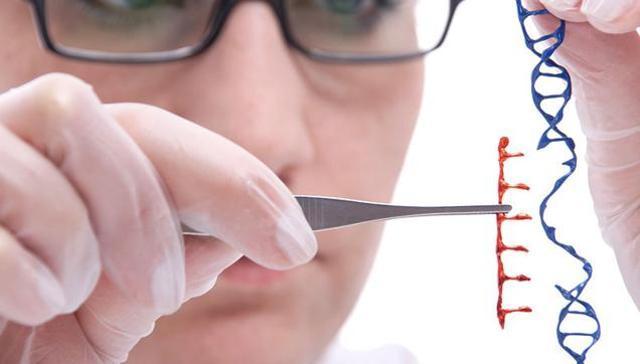
For the study, when MECs were implanted into mice, EBV infection cooperated with certain cancer-causing proteins to accelerate the formation of breast cancer.
Read: “Firms can’t patent breast cancer gene”, says Oz woman wins court battle
When the researchers analysed the genes of MECs infected with EBV, they found genetic characteristics associated with high-grade, estrogen-receptor-negative breast cancer (an aggressive form of the disease).
“We think that if a young woman develops EBV during her teenage years or later, her breast epithelial cells will be exposed to the virus and can be infected. While for most individuals, there will be no long-term consequences, in some the infection may leave genetic scars and change the metabolism of these cells,” said Gerburg Wulf, Associate Professor, Harvard Medical School in the study, published in the journal EbioMedicine.


