
 E-Paper



Here’s how mango pulp helps you fight cancer, inflammation

 Prefer HTon Google


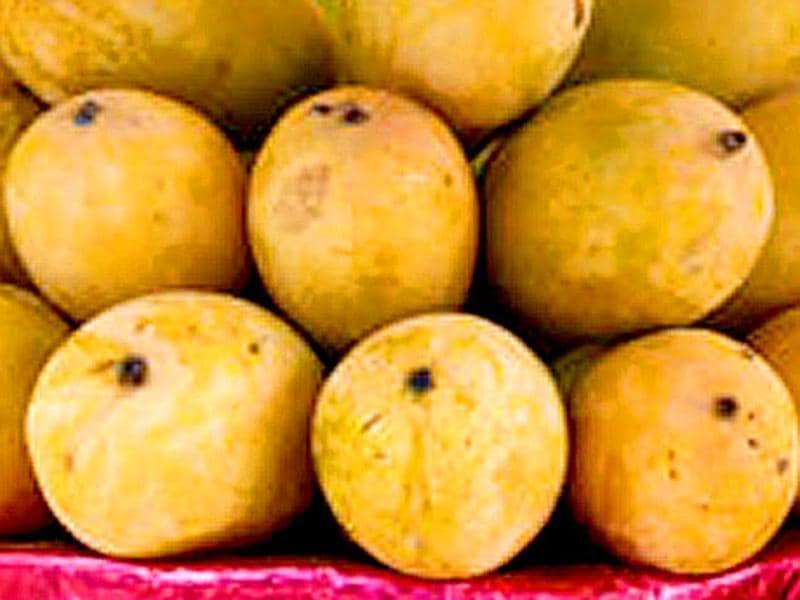
Here’s one more reason to make mangoes your favourite fruit. Did you know they have numerous compounds that have antioxidant properties? These include vitamin C
Here’s one more reason to make mangoes your favourite fruit. Did you know they have numerous compounds that have antioxidant properties? These include vitamin C and beta carotene, as well as several polyphenolic compounds including gallic acid and their larger polymers gallotannins, which have been linked to anti-cancer and anti-inflammatory activities in previous in-vitro and in-vivo studies.
The absorption, metabolism, and excretion of mango galloyl derivatives have not previously been investigated in humans. In this human pilot trial published in the journal of Molecular Nutrition & Food Research, 11 healthy volunteers between the ages of 21 and 38 years old consumed 400gm/day of mango-pulp for 10 days, with blood and urine samples taken on days one and 10 of the study following mango consumption.
Read: Fill your plate with fruits and vegetables for a healthy heart
Participants refrained from consuming dietary supplements and foods which could be sources of gallic acid such as berries, grapes, and tea for one week prior to the beginning of the study and during the 10 days of mango consumption.
Read: Make eating right a way of life
Seven metabolites of gallic acid were identified in the urine of healthy volunteers, and of those two microbial metabolites were found to be significantly more excreted following 10 days of mango consumption. The presence of gallic acid and pyrogallol metabolites in human urine after the consumption 400g of mango indicates the absorption, metabolism, and excretion of mango galloyl derivative and confirms the bioavailability of these mango-derived metabolites. This study has been published in Molecular Nutrition and Food Research.


