
 E-Paper



To hell and back: Movies that survived chaotic productions
Mad Max: Fury Road went through a chaotic production, as did the other films in this list, including Apocalypse Now, Fitzcarraldo, Dredd, World War Z and Three Kings.

 Prefer HTon Google


Around this time last year, no one could have anticipated the success of Mad Max: Fury Road. Before turning out to be one of the most deliriously insane action blockbusters in years, George Miller's film went through hell, or more aptly, the post-apocalyptic wasteland to get made.

The film had been in development hell for the better part of two decades. Production had been initiated and cancelled on several occasions. Everything from 9/11 to the Iraq War to the Australian Outback getting covered in flowers because of unseasonal rains prevented us from experiencing the joys associated with watching a mad thrash metal guitarist conducting a mobile mosh pit, like the Dr TJ Eckleberg of the Mad Max universe.
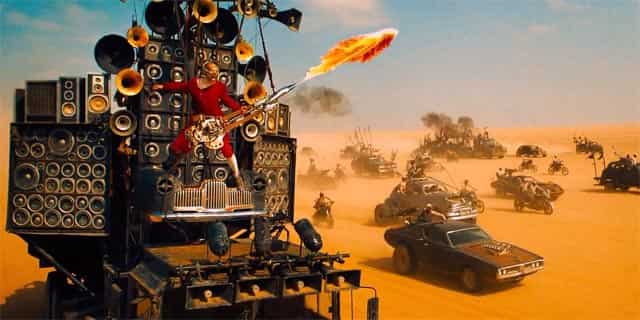
Director George Miller moved the production to the deserts of Namibia, worked without a script (the first draft of which was a 3,500 panel storyboard), coaxed cinematographer John Seale back out of retirement, completed a near silent movie, handed over the editing duties to Margaret Sixel, a woman whose only experience was editing documentaries, only to have a disastrous test screening and getting told that his magnum opus needed massive reshoots.
Then came the stories of the on-set tiffs between Miller and star Tom Hardy, who didn't take too kindly to being asked to return to the sweltering Namibian heat only to be trussed up in a rig or cooped up in a stock car, driving aimlessly with only the amplified voice of a man whose creative output suggests significant insanity and nothing else.
No one in that test screening room could have predicted the success of Mad Max: Fury Road.
Here is our list of other films that have gone through incredibly troubled productions and come out the other side, bloodied, yet victorious.
Mughal e Azam (1960)

It was one of the most extravagant productions in the history of Indian cinema, where the budget of a single song sequence cost more than entire films. It took almost a decade to complete. No one believed the film would ever see the light of day, or the darkness of a movie theatre. It took hours to light single shots, months to shoot single scenes. Even David Lean, a man familiar with epic productions, shook his head in defeat at the challenges the Sheesh Mahal set (crafted with Belgian glass by workers in Ferozabad over the course of two years) posed. Produced at a record breaking budget (ranging from anywhere between 1-1.5 crores, depending on who you ask), which director K Asif very quickly lost control of, the final film clocked in at 197 minutes. But despite everything, a majestic tribute to love, memory and the unbreakable human spirit is what emerged.
Apocalypse Now (1979)
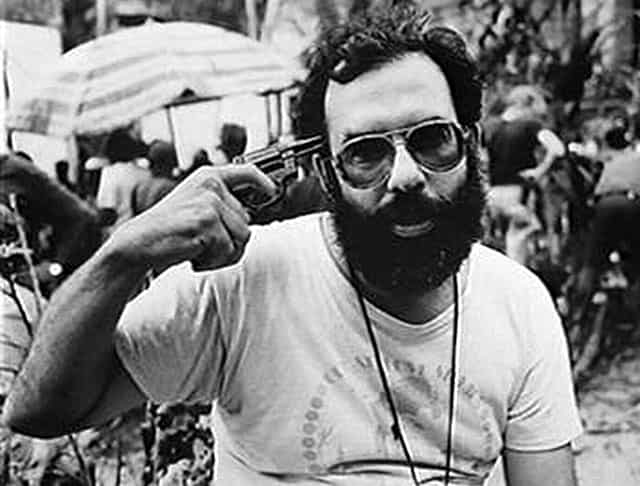
Francis Ford Coppola almost died during the filming of his classic commentary on the Vietnam War. Marlon Brando arrived on set overpaid, overweight and uninterested, prompting Coppola to rewrite his part, eliminating most of his scenes and shooting him in shadows. Martin Sheen suffered a breakdown, thrashing around in a room, weeping and punching mirrors, which was included in the final cut. A small war broke out where the film was being shot, and the crew had to work around unpredictable weather, a constantly bloating budget, a volatile local government, dozens of drafts of John Milius' script and running over schedule. The entire ordeal was captured on film, viscerally taking us inside the mind of an artist obsessively devoted to his craft, in Hearts of Darkness, a documentary shot by Coppola's wife Eleanor.
Fitzcarraldo (1982)
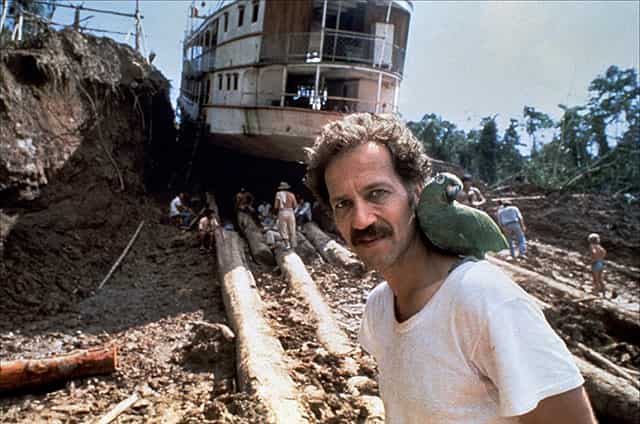
Werner Herzog is a man who famously looks into the abyss and is unafraid of the abyss staring back at him. From holding a gun to Klaus Kinski's head to get him to act, to getting shot by a small calibre bullet during a TV interview with Mark Kermode ('It is an insignificant bullet', was his reaction), to eating his own shoe after losing a bet, Herzog, the alpha-male Nietzschean thinker of our times continues to push the boundaries of what it means to be a fearless storyteller. But he outdid even himself during the shooting of Fitzcarraldo where on set fights with Kinski, numerous actors dropping out during production and local chieftains offering to kill the lead actor were the least of his problems because Herzog literally dragged a ship across a mountain. And Murphy's law came alive.
Watch Herzog get shot and eat a shoe here
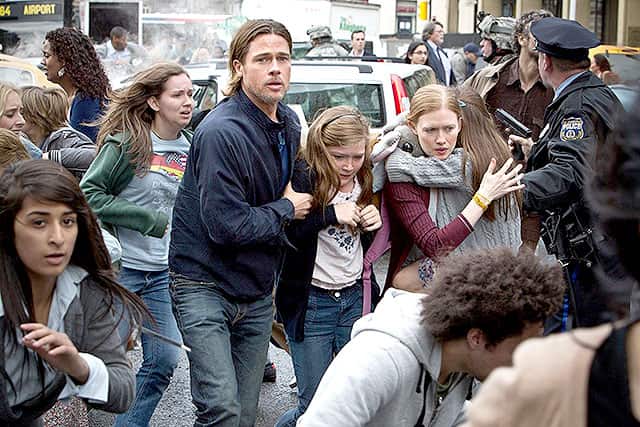
When executives at Paramount sat down to watch World War Z for the first time, they knew about the troubled production, but nothing could have prepared them for the absolute debacle that director Marc Forster's film actually was. Blamed for being incompetent, Forster was ignored during production. The film went through several line producers, purchased and forgot to use millions worth of props, got into trouble with the Hungarian Government for harbouring arms and ditched an entire battle scene set in Russia for a completely rewritten third-act in a Welsh WHO facility by which time star Brad Pitt and director Forster were reportedly not on speaking terms. Paramount hired Lost writer Damon Lindelof and Drew Goddard (The Cabin in the Woods) to rewrite the ending and that was when Vanity Fair got a hold of the story and did a fantastic piece on it. The budget ballooned from $125 million to $190 million, but against all odds it earned more than $540 million in returns, and the sequel is set to arrive in cinemas in 2017. And of course, Marc Forster wasn't invited back.
Fast and Furious 7 (2015)

Fast and Furious 7 was halfway through production when star Paul Walker died in a car crash. The news shook the world. The franchise's popularity was at a peak, with each new entry attracting acclaim and box-office success. First-time Fast and Furious director James Wan was left between a rock and a hard place: to complete filming without one of the franchise's main stars or shut down filming. The studio opted for the latter, taking time off to rewrite the script, hire doubles to fill Walker's role, and utilize state-of-the-art special effects to recreate Walker's face digitally. In the end, the finished film played like a beautiful eulogy to a beloved star.


