
 E-Paper



Consultation or consent? The legal faultline in Punjab’s chief justice row
The state cabinet has demanded that the appointment and administration of oath be put on hold.

 Prefer HTon Google


The Centre’s decision to appoint Justice Ashwani Kumar Mishra as the full-time chief justice of the Punjab and Haryana High Court without waiting for the Punjab government to send its views has opened a fresh Centre-state confrontation over the process of appointing judges to the higher judiciary.

The Aam Aadmi Party-led Punjab government has objected to the appointment, saying its views were required to be obtained under the memorandum of procedure (MoP) that governs appointments and transfers of high court judges. The state cabinet has demanded that the appointment and administration of oath be put on hold. The BJP-led Centre, meanwhile, went ahead with the appointment on Saturday, September 5, along with those of seven other high court chief justices.
At the heart of the dispute is a question that has often been misunderstood in public debates over judicial appointments: what exactly is the role of the political executive once the Supreme Court collegium has recommended a judge?
To understand the present controversy, it is important to first look at the constitutional scheme, the judicially evolved collegium system and the MoP, which together create a process in which both the judiciary and executive have defined roles, but neither can be treated as having the same degree of discretion.
What triggered the controversy
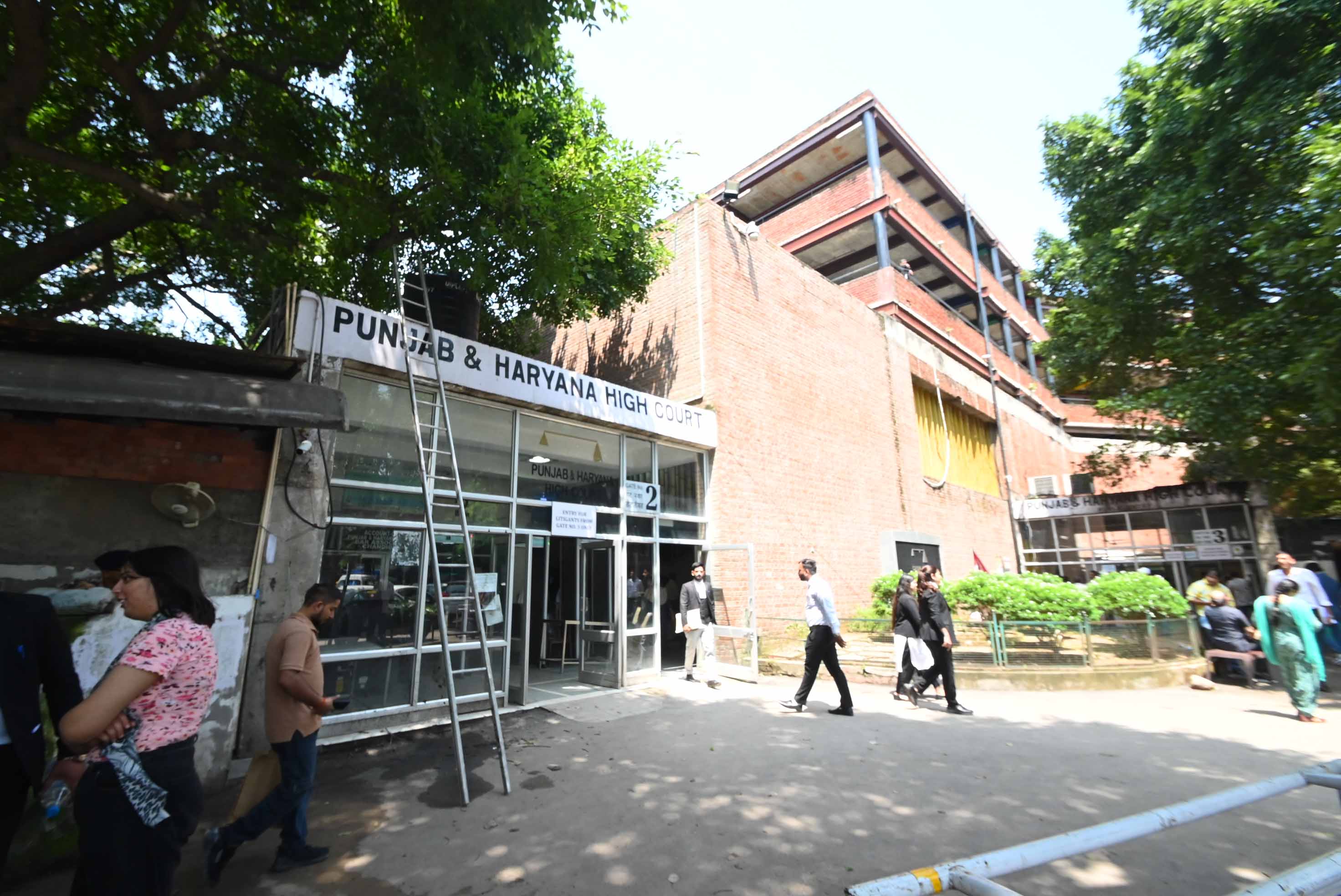
The Supreme Court collegium comprising Chief Justice of India Surya Kant and justices Vikram Nath and BV Nagarathna recommended Justice Mishra as chief justice of the Punjab and Haryana High Court on August 6. He has been functioning as the acting chief justice since June 2, following the elevation of Justice Sheel Nagu to the Supreme Court.
The Union law ministry subsequently sought the views of the Punjab government. While other states concerned with the contemporaneous recommendations sent their responses, Punjab continued to examine Justice Mishra’s candidature. As HT first reported last week, the state government maintained that it was gathering inputs before communicating its views.
The Centre nevertheless notified Justice Mishra’s appointment on September 5. The notification stated that the President, in exercise of powers under the Constitution and in consultation with the Chief Justice of India, was appointing him as chief justice.
Punjab’s objection is based principally on paragraph 6 of the MoP, which says that after receiving the recommendation of the Chief Justice of India, the Union law minister “would obtain the views of the concerned State Government” and, after receipt of those views, submit the proposal to the Prime Minister, who would advise the President on the selection.
The state argues that this prescribed sequence was not followed.
But the dispute cannot be reduced to the proposition that a state government has a veto over a high court chief justice. It does not.
Also read: Supreme Court orders SITs to probe fraud motor accident claims
What does the Constitution say?
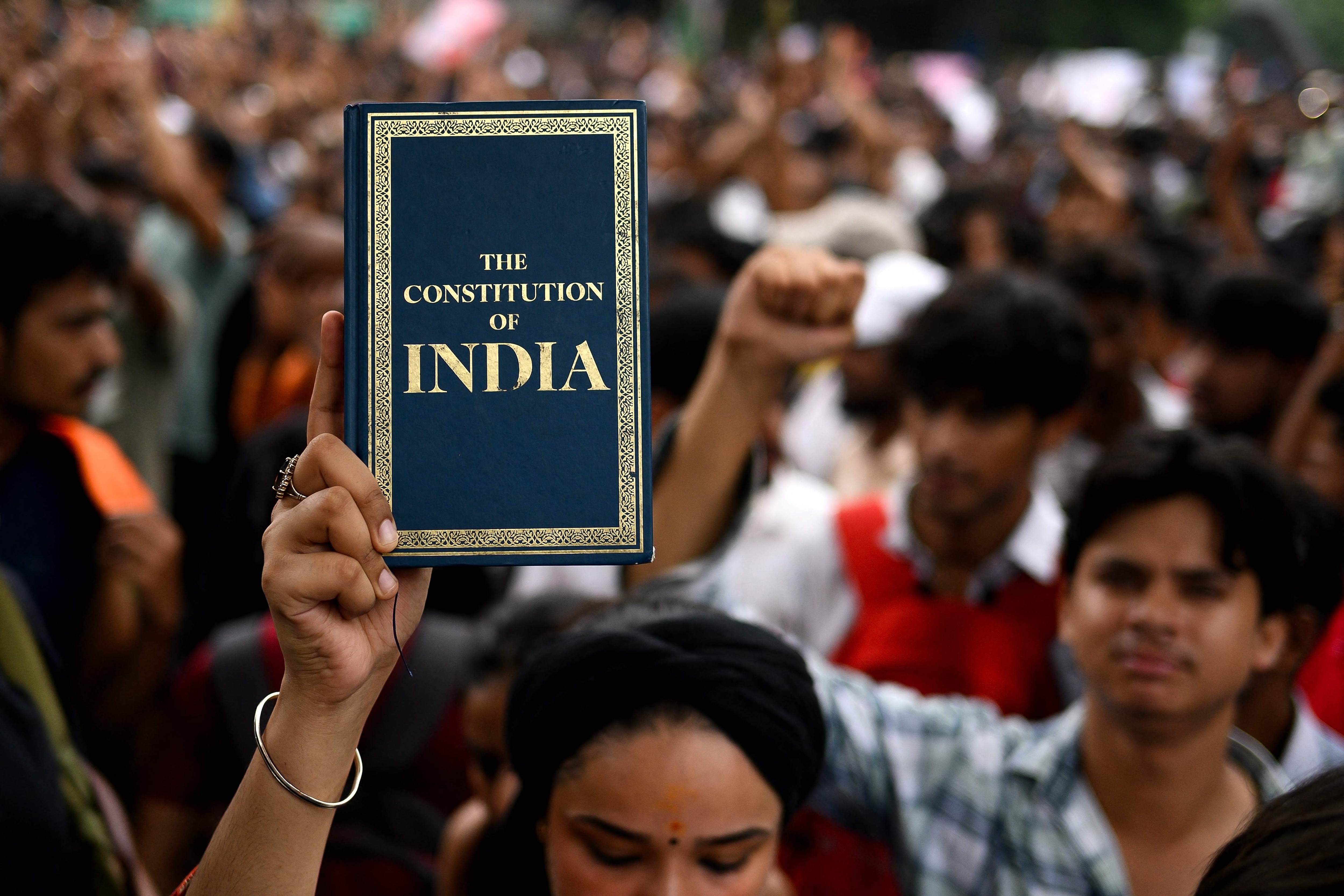
Article 217(1) of the Constitution provides that every high court judge is appointed by the President by warrant under his hand and seal after consultation with the Chief Justice of India and the state’s governor. In the case of a judge other than the chief justice, the chief justice of the high court concerned is also consulted.
The constitutional provision therefore vests the formal power of appointment in the President, while prescribing consultation with specified constitutional authorities.
For a chief justice, there is no separate constitutional appointment mechanism. The MoP itself states that the initial appointment of a high court chief justice is governed by Article 217, while a transfer of a chief justice from one high court to another is governed by Article 222. Article 223 separately deals with the appointment of an acting chief justice.
The crucial change to the constitutional understanding of Article 217 came through the Supreme Court’s judgments in the Second Judges case (1993) and Third Judges case (1998). The collegium system emerged from those rulings, giving the judiciary primacy in recommending appointments to the higher judiciary.
The Supreme Court has subsequently described the appointment process as an integrated exercise involving the judiciary and executive. The Department of Justice too says that only persons recommended by the Supreme Court collegium are appointed as high court and Supreme Court judges.
The result is an important distinction: the President makes the appointment constitutionally, but the choice of a candidate is not an unfettered executive function.
Also read: ‘Waiting for my retirement?’ CJI rejects Aravalli panel’s February deadline
Where does the state government fit in?
The state government’s role is significant, but it is consultative rather than one of final selection.
The MoP governing chief justices says the process is initiated by the Chief Justice of India. The CJI makes the recommendation after consulting the two senior-most Supreme Court judges and also obtains the views of the senior-most Supreme Court colleague conversant with the affairs of the high court from which the candidate is being considered.
The recommendation then goes to the Union law ministry, which obtains the views of the state government concerned. After those views are received, the proposal goes to the Prime Minister, who advises the President on the selection.
This is where Punjab’s objection acquires some force procedurally. The MoP does not describe the state’s role as optional. It expressly says the law minister “would obtain” the views of the state government concerned and thereafter submit the proposal to the Prime Minister.
At the same time, the word used is “views”, not “consent” or “approval”.
This distinction is critical. The state government can place relevant material, objections or other inputs before the Centre, but its disagreement does not automatically extinguish the collegium’s recommendation.
The Supreme Court has previously explained that executive participation in judicial appointments is not an empty formality. The executive can examine suitability, obtain inputs and, where it has material warranting reconsideration, send a recommendation back to the collegium. But the judicially evolved system gives primacy to the collegium’s considered recommendation.
The executive, therefore, has a role in the process, including the opportunity to raise relevant concerns, but not an independent power to substitute its own candidate for one recommended by the collegium or seek rejection of a collegium’s proposal.
Does the state have a veto, or can the Centre bypass it?
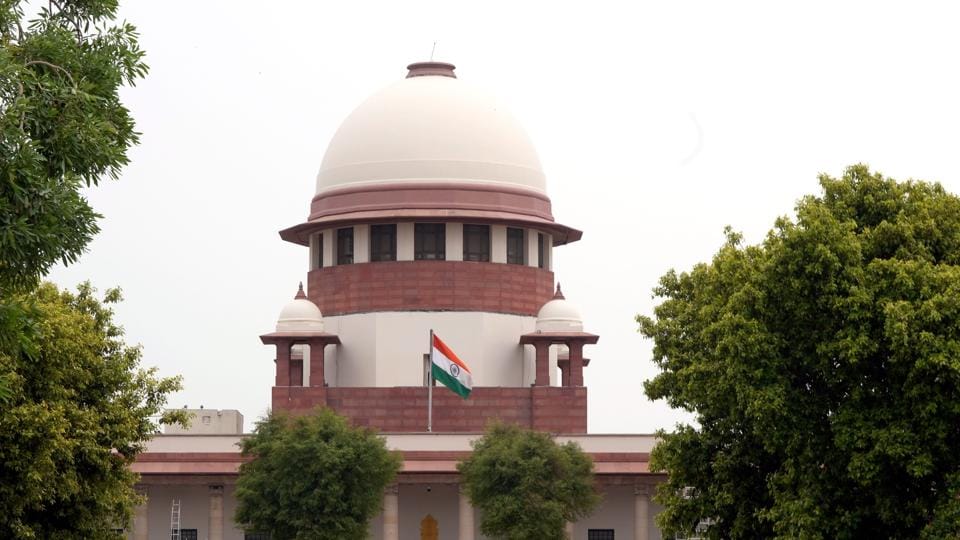
This is the most contentious part of the present dispute.
There is no provision in Article 217 giving a state government a veto over the appointment of a high court chief justice. The constitutional appointment is made by the President, and the collegium system has placed primacy in the judiciary’s recommendation.
But that does not automatically answer whether the Centre was entitled to proceed without first obtaining Punjab’s views.
The MoP is not a constitutional provision or an Act of Parliament. It is the agreed-upon procedural framework governing how the constitutional powers are to be exercised. Its provisions cannot therefore be equated with an absolute statutory precondition that renders an appointment void whenever a procedural step is disputed.
At the same time, the MoP is not meaningless. The Supreme Court has repeatedly emphasised the importance of adhering to the timelines and procedure governing judicial appointments. In 2021, while examining appointment delays, the court noted that under the MoP, states are ordinarily given six weeks to submit their views, and that the Centre may presume there is no objection if those views are not received within that period.
There is, however, an important nuance in the present case. The six-week deemed-consent provision is expressly found in the portion of the MoP dealing with appointments of high court judges. The specific provisions dealing with appointment of chief justices do not prescribe an identical timeline. The question whether the same deemed-consent mechanism can automatically be invoked for a chief justice appointment is therefore not entirely free from doubt.
That makes the present controversy different from a straightforward case of the state simply withholding its consent beyond a prescribed deadline.
Punjab can legitimately contend that the Centre was required to obtain and consider its views under the MoP. But the Centre can equally argue that the state’s role was consultative and that the absence of its response, particularly after the process had moved forward, could not indefinitely prevent a constitutionally competent appointment from being made.
Ultimately, the more consequential issue is whether the failure to obtain the state’s views before the notification amounts merely to a procedural departure from the MoP or is serious enough to invalidate the appointment itself. The latter proposition would face a much higher constitutional threshold because the source of the appointment power is Article 217, not the MoP.
The controversy also underlines why judicial appointments in India operate through a carefully balanced institutional arrangement. The political executive participates in the process and is entitled to scrutinise and communicate relevant material. But the executive cannot exercise an unfettered choice after the collegium system has been constitutionally entrenched. Conversely, the collegium’s primacy does not mean that the executive’s prescribed consultative role can simply be disregarded.
With Justice Mishra’s appointment now, the fragile frontier between consultation and consent, procedure and power, and collegium primacy and executive participation has moved to centre stage.



