
 E-Paper



Film quotas, penalties and LA jobs: The deal that saved Paramount-Warner Bros merger
Hollywood’s largest studios, once merged, will control two major streaming services, and dozens of TV channels spanning CBS to HBO.

 Prefer HTon Google


Paramount Skydance settled lawsuits with a dozen US states on Monday, removing the last legal obstacle to its $110 billion merger with Warner Bros Discovery and setting up the creation of Hollywood’s largest entertainment company.
What does the merger mean?
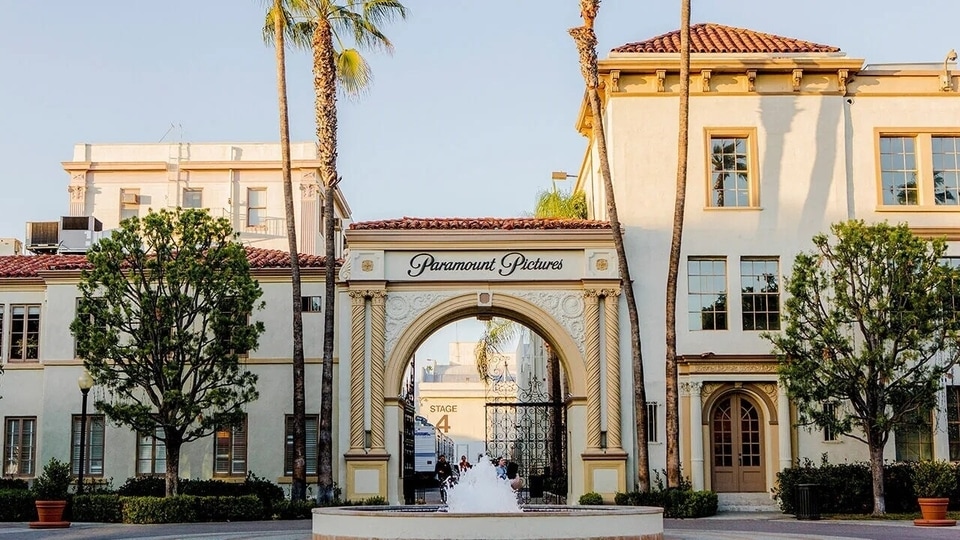
Paramount and Warner Bros are Hollywood's two biggest studios. Together, they will control both companies, two major streaming services, and dozens of television channels spanning CBS to HBO. Both studios are based in California, and the combined entity’s economic impact on the state would be among the largest ever — a scale that had worried legislators over what might happen if it chose to move elsewhere.
Why did states try to block it?
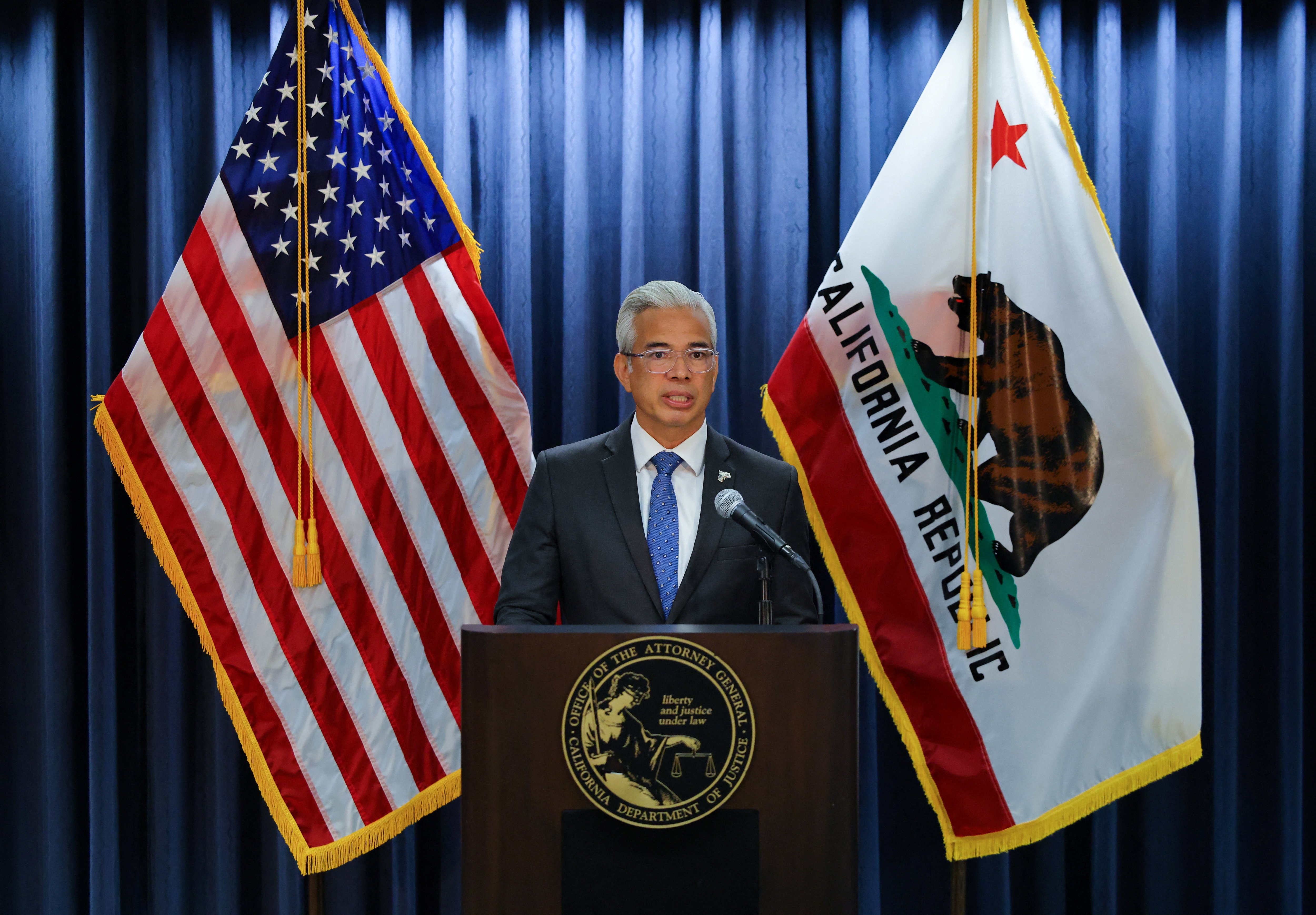
Twelve state attorneys general, alongside the Writers Guild trade union, sued to stop the merger, arguing it would give the combined company monopoly control over the North American entertainment market. The Block the Merger Coalition, representing more than 40 opposing organisations, criticised the settlement as a “sweetheart deal” harmful to film and independent journalism. “We are disappointed and angry that the interests of average Americans have been trampled to benefit oligarch billionaires,” the coalition said.
California attorney general Rob Bonta led the legal challenge and had opposed the deal throughout the year. But he grew increasingly isolated in recent weeks as other likely opponents, including major cinema chains and senior state politicians, began backing the merger and pressed him to settle.
Also read: FCC approves foreign funding for Paramount-Warner Bros deal: ‘Serve the public interest’
What does the settlement require?
Paramount and the states negotiated through the weekend to reach terms that, according to Bloomberg, are designed to limit the combined company’s market power and protect editorial independence.
A central worry was that Paramount, which owns HBO Max, would scale back theatrical releases in favour of streaming — a shift that could damage cinemas worldwide at a time when the industry is still recovering from the Covid-19 pandemic.
To address this, Paramount has committed to releasing 30 films a year across the merged studios, with half produced in-house — a pledge meant to reassure cinema owners and Hollywood talent. Bloomberg reported that Paramount would pay $30 million for every film it falls short of that target, and could be forced to sell its stake in Miramax, the studio behind Pulp Fiction, if it repeatedly misses the goal.
On television, Paramount and Warner Bros channels must be negotiated separately with distributors; breaching this condition would require Paramount to divest BET, VH1, Comedy Central, Smithsonian, Destination America and Science. The company has also agreed to keep its operations in Los Angeles, retain both of its studio lots, and invest $1.5 billion in domestic film and TV production. Separately, the Writers Guild struck its own settlement with Paramount, securing healthcare fund contributions and a freeze on layoffs at CBS.
What happens next?
Shares in both Paramount and Warner Bros rose on news of the settlement. Paramount chairman and chief executive David Ellison thanked the attorneys general for negotiating, saying: "Our shared aim was an outcome that best serves consumers, workers and — most importantly — the creative community so vital to the art of visual storytelling." The merger remains on track to close in the third quarter of FY2026-27, as originally planned.


