
 E-Paper



Climate-resilient ageing: Missing dimension in climate response
This article is authored by Rohit Prasad, CEO and Anupama Datta, head, policy research & advocacy, HelpAge India.

 Prefer HTon Google


India is living through two profound, slow-moving transformations. The first is demographic: Our population is ageing rapidly, with the number of older persons expected to grow significantly in the coming decades. The second is environmental: The climate crisis is no longer a future threat but a lived reality, manifesting through recurring heatwaves, erratic rainfall, droughts, floods and other climate-related stresses. Each of these transitions is significant on its own. Their convergence, however, is creating a complex development challenge that remains inadequately understood, insufficiently addressed and arguably one of the most significant blind spots in contemporary climate discourse.
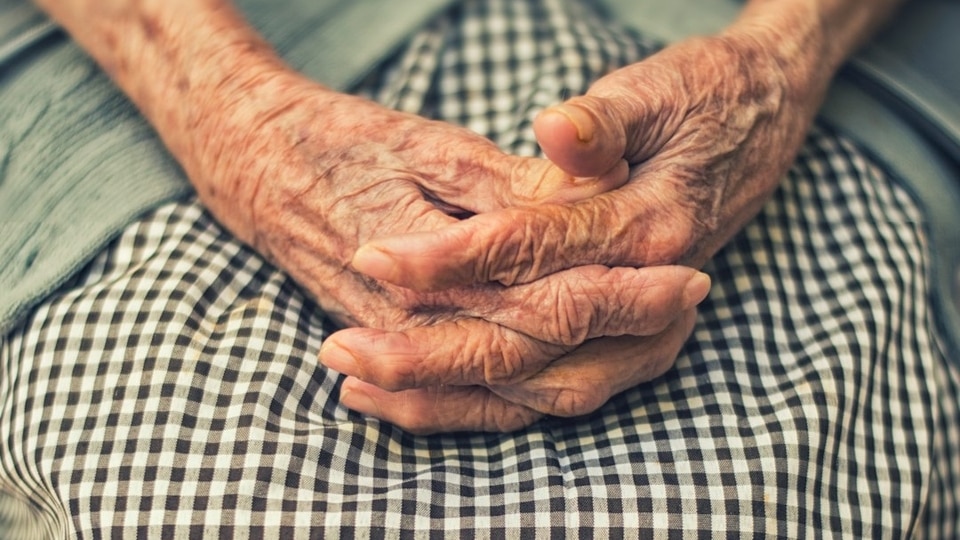
The intersection of ageing and climate deserves far greater attention from policymakers, development practitioners, climate actors, philanthropy and civil society. The challenge lies not only in sudden disasters but also, and even more so, in the cumulative impact of slow-onset climate stresses that steadily erode health, livelihoods, savings, care systems and dignity.
It is this convergence that HelpAge India's recent study, Climate Resilient Ageing: Ensuring Care, Dignity and Agency, seeks to explore. Covering 2,224 older persons across 20 districts in 10 states, the study examines how climate change is affecting older people living in rural and climate-stressed areas. Importantly, it highlights that vulnerability is not determined by age alone. Rather, it is shaped by an intersection of factors including gender, poverty, impairment and mobility challenges, living arrangements, and geographical location.
The findings reveal an emerging reality that should concern us all.
Nearly four out of five respondents reported experiencing at least one climate-related hazard in the last three years. Heatwaves emerged as the most commonly reported climate stress, followed by floods and droughts. Yet the story is not simply about exposure to climate events. It is about what these events do to everyday life.
Many older persons reported becoming ill more frequently during heatwaves. Existing health conditions worsened. Access to healthcare became more difficult precisely when it was needed most. For those living in poorly ventilated kutcha or semi-pucca homes, rising temperatures often turned their homes into heat traps, offering little protection from extreme heat.
But the impact goes well beyond health.
Climate stress is increasingly becoming an economic issue for older persons. Repeated weather shocks affect agricultural livelihoods, reduce household income and increase expenditure. Many respondents reported financial difficulties, while more than half struggled to afford essential medicines. For older persons who largely depend on pensions, small livelihoods or family support, even modest climate-related losses can have disproportionately severe consequences.
The study also highlights an often-overlooked dimension of climate vulnerability: The pressure it places on care systems.
India's ageing ecosystem is built primarily around families. Encouragingly, family members continue to provide care to most older persons who need support. However, this system is under increasing strain. Migration of younger family members for employment, changing socio-economic conditions and climate-related pressures are altering traditional support structures. As younger generations move away, caregiving responsibilities often fall on spouses, daughters-in-law or other family members who themselves may be vulnerable.
For older persons living alone, the situation is particularly fragile. Some depend on neighbours or distant relatives. Others have no reliable support system at all. A climate shock, illness or mobility challenge can quickly become a crisis when support networks are weak.
Yet amidst these vulnerabilities, one aspect of the study stands out powerfully: The resilience and agency demonstrated by older persons themselves.
Across different locations, respondents described adapting their daily routines, modifying livelihoods, conserving resources and finding ways to cope with changing conditions. One elderly farmer interviewed during the study spoke of adjusting cultivation practices after repeated rainfall disruptions despite advancing age and declining physical capacity. Such stories remind us that older persons are not passive victims of climate change. They are actively responding to it, often with limited resources and little institutional support.
Government schemes have emerged as a critical lifeline in this context, often serving as the primary buffer against worsening vulnerability. Programmes relating to pensions, food security and health care provide essential support to millions of older persons. However, the study also points to persistent challenges around adequacy, access and delivery. Those who are most vulnerable, including the oldest old, persons with impairments, those with limited literacy and those living in remote areas, often face the greatest barriers in accessing support. As climate risks increase, strengthening the reach and responsiveness of these systems becomes even more important.
The larger lesson is clear. Climate-resilient ageing cannot remain a niche issue. Nor can resilience be understood solely through an infrastructure lens. Roads, embankments, water systems and resilient housing matter enormously. But resilience is ultimately about people as much as it is about physical assets. It is shaped by whether an older person can access healthcare during a heatwave, maintain an income that provides basic security, receive timely care and support during periods of stress, and benefit from responsive institutions that help them prepare for, withstand and recover from climate shocks.
In other words, climate-resilient ageing must become an integral part of development planning.
The good news is that India already has many of the building blocks required. The challenge is not to create entirely new systems, but to strengthen, align and adapt existing ones, making them more age-responsive, while developing new solutions where gaps persist.
First, older persons must be placed at the centre of climate adaptation and resilience planning. They should not be viewed solely as beneficiaries of assistance but as stakeholders with agency, experience and knowledge. Their voices need to be incorporated into local adaptation plans, disaster risk reduction frameworks and climate policy discussions. Age-inclusive planning should become standard practice rather than an exception.
Second, government has a pivotal role to play. Strengthening healthcare access for older persons during climate emergencies, improving pension adequacy, expanding social protection and ensuring age-responsive disaster preparedness and response systems are critical priorities. Social protection should increasingly be recognised as a climate adaptation tool, helping older persons withstand and recover from recurring climate-related shocks. As part of an elder-centric approach to Disaster Risk Reduction (DRR), early warning systems, evacuation protocols, relief services and recovery measures must be designed keeping in mind the mobility, literacy and digital access challenges faced by many older persons.
Third, stronger community-based solutions are essential. While family support continues to be the primary source of care for older persons, it needs to be complemented by robust community institutions. HelpAge India's experience with Elder Self-Help Groups (ESHGs), developed in alignment with the broader National Rural Livelihoods Mission (NRLM) ecosystem, illustrates the potential of collective action among older persons. These groups have shown how older people can organise themselves, build local preparedness, access government schemes, create support networks and respond collectively to climate and disaster-related challenges. Such platforms strengthen both individual and community resilience while reinforcing the agency of older persons. As climate risks intensify, expanding and strengthening these locally rooted institutions should become a key component of climate adaptation and resilience strategies.
Finally, this agenda cannot be driven by government alone. Climate-resilient ageing represents an important opportunity for CSR, philanthropy and development partners. Yet it remains an under-recognised and underfunded area. Investments in age-friendly climate adaptation, resilient livelihoods, community support systems, research and innovation can generate substantial social returns. More importantly, they can help ensure that climate action reaches those who are often overlooked
(The views expressed are personal)
This article is authored by Rohit Prasad, CEO and Anupama Datta, head, policy research & advocacy, HelpAge India.


