
 E-Paper



Empowering women, tribal communities through digital access
This article is authored by Jyoti Sharma, CEO, Nasscom Foundation.

 Prefer HTon Google


The digital revolution is reshaping economies, businesses, and communities across the globe. Yet, millions in India—particularly women and tribal populations in rural and aspirational blocks—remain on the fringes of this growth story. While more than 55% of internet users in India are from rural areas, when it comes to daily internet usage, urban users surpass their rural counterparts. In many tribal and rural communities across India, digital exclusion goes beyond a lack of smart devices, creating a profound disconnect from essential services and opportunities.
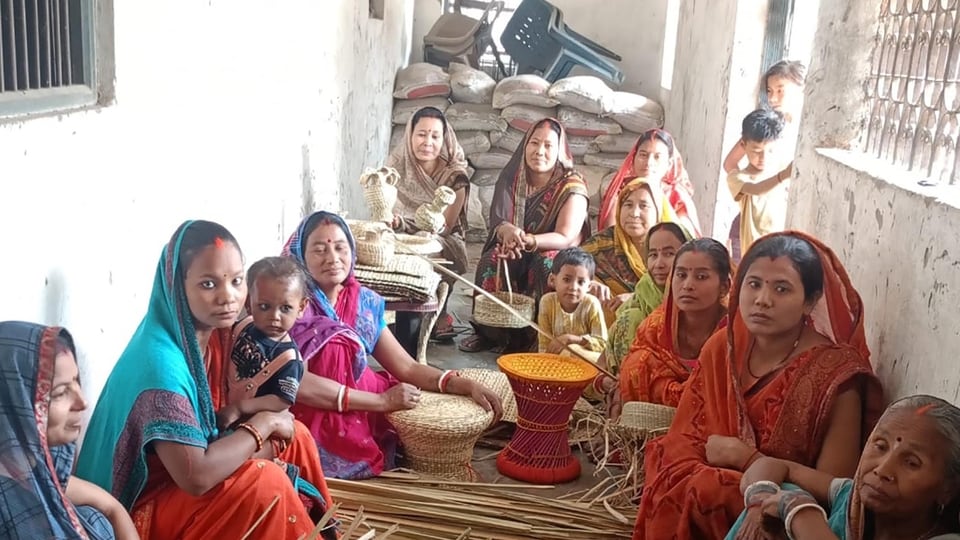
Representing some of India's most marginalised communities, the Particularly Vulnerable Tribal Groups (PVTGs) are characterised by pre-agricultural economies, stagnant literacy rates, and minimal access to mainstream development opportunities. With a population of 44,71,005 individuals, these communities face fundamental barriers due to limited access to smartphones and digital infrastructure. Many remain unable to access even basic digital identity services and Aadhaar-enabled benefits, cutting them off from crucial financial aid, health care, and welfare mechanisms. As India's digital infrastructure evolves, this gap threatens to further widen existing inequities, reinforcing cycles of poverty and marginalisation.
Bridging this gap is not just about providing access to technology but also about equipping individuals with the skills to use it meaningfully. Digital literacy enables remote work, entrepreneurship, and access to e-commerce among other benefits, helping overcome mobility barriers, particularly for women and marginalised communities. For tribal communities, it unlocks government schemes, financial services, and agricultural advancements, fostering self-reliance. These are the foundation for socio-economic progress, ensuring no one is left behind in India’s digital growth story.
As digital access expands, so does the potential for empowerment. A well-structured digital literacy initiative must focus on training people in navigating the internet, cybersecurity, digital payments, and e-governance for a holistic understanding of the digital world. It must also foster entrepreneurial readiness, equipping individuals with tools for online business management and e-commerce platforms, leading to economic independence. For those who wish to join the workforce, digital literacy programs must provide certifications that align with industry needs and improve employability in tech-enabled jobs.
Recognising the challenges of imparting digital literacy to vulnerable communities like the PVTGs, the government of India launched the Aspirational Blocks Programme as a targeted intervention to bridge the digital divide at the grassroots level. Building on the successful digital literacy initiatives of the Aspirational Districts Programme, this block-level approach enables focused empowerment of India's most underserved areas, particularly those with significant tribal populations. The programme combines technology-enabled learning with physical infrastructure and community engagement to ensure digital resources and e-governance services reach the last mile.
Equipping marginalised communities with foundational digital skills and providing access to essential e-governance services is essential to fostering inclusion and enabling self-reliance in some of the most remote and disadvantaged regions of our nation. For India to become Viksit Bharat by 2047, it is imperative that they are brought into the digital fold through a targeted, scalable approach to digital literacy that provides tailor-made solutions.
The Tribal Development Report 2022 highlights a concerning reality—literacy among PVTGs stands at just 47.7%, significantly lower than the national average of 77.3%. This underscores both the urgency of digital inclusion and the challenges of its implementation. For leaders determined to bring in change--solving this requires a hyperlocal, culturally attuned approach. Training modules must be designed in vernacular languages, incorporating visual and audio aids to ensure accessibility. More importantly, digital ambassadors from within these communities can play a transformative role in driving adoption. However, without upgraded infrastructure, even the best-designed interventions will fall short. Establishing community tech centres equipped with devices, internet access, and mentorship programmes through industry collaborations can help PVTGs see tangible benefits of digital literacy.
Scaling these efforts however demands a collaborative ecosystem where policymakers, industry leaders, and non-profits must work together, leveraging Artificial Intelligence (AI)-driven, mobile-first vernacular platforms for accessibility. Corporate Social Responsibility (CSR) initiatives should integrate digital skills, complementing government-led programs. To ensure measurable impact, implementing monitoring frameworks tracking employment rates, entrepreneurship growth, and digital adoption is critical. We must focus on technology-enabled, sustainable solutions that bridge this divide and unlock true empowerment.
Access to digital platforms enables participation in government schemes, digital banking, and e-governance services, improving transparency and financial autonomy, and hence, strengthening governance and social inclusion measures. With digital tools, people in even the most remote areas can access online education, vocational training, telemedicine, and awareness programs that significantly improve their quality of life.
The Union Budget this year reinforces the commitment to digital empowerment through targeted provisions for women and marginalised communities. The Rural Prosperity and Resilience Programme, coupled with enhanced rural connectivity initiatives, positions digital literacy as a cornerstone of socio-economic progress. This strategic focus on digital inclusion promises to transform technology access from a privilege to an enabler of equitable growth.
Digital literacy stands at the intersection of economic empowerment and social inclusion, marking a decisive moment in India's growth story. Our collective action, through robust public-private partnerships and scalable, technology-driven solutions, will determine how effectively we bridge this divide. By prioritising digital inclusion now, we can ensure India's most vulnerable communities don't just participate in but actively shape our nation's technological and economic future by 2047.
This article is authored by Jyoti Sharma, CEO, Nasscom Foundation.


