
 E-Paper



GST reform: A people’s tax for Aatmnirbhar Bharat
This article is authored by Monica B Sood, chairperson, National Unity & Security Council (NUSC).

 Prefer HTon Google


The Goods and Services Tax (GST) in 2017 aimed to simplify India's complex taxation structure by dismantling the convoluted network of state and central taxes. Seen as one of the most audacious undertakings in independent India's fiscal history, its goal was to establish a uniform, transparent indirect tax system nationwide. However, initiating sweeping reforms on such a massive scale was fraught with challenges. Moreover, the changing landscape left many small enterprises struggling to understand intricate compliance procedures. Though a step in the right direction, teething issues were inevitable in the first phase of the country's most significant tax reform.
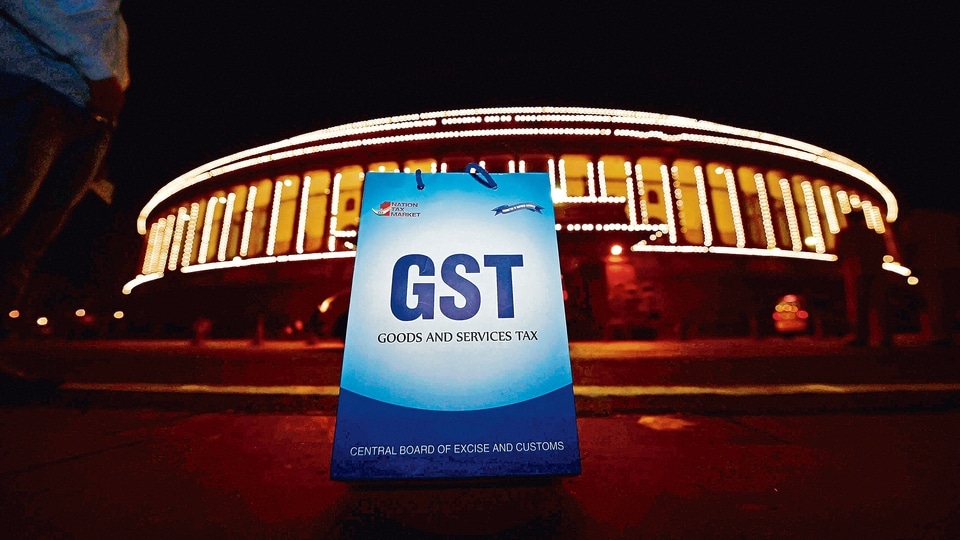
The latest revision of GST slabs has, therefore, arrived at the right time, both politically and economically. It is not only about numbers, but a reset of priorities. The message from Prime Minister (PM) Narendra Modi and finance minister (FM) Nirmala Sitharaman is unambiguous: The Indian middle-class matters, domestic production matters, and self-reliance matters.
Under the older system, the middle-class household often paid disproportionately high taxes on goods that formed part of their daily life. Washing powder, school bags, even certain food items were taxed at rates that squeezed monthly budgets. By contrast, some imported luxury items enjoyed relatively comfortable slabs. This imbalance created resentment, but more importantly, it diverted the hard-earned savings of families into the tax basket rather than their own future.
The revised GST changes that equation. Essentials now face lower slabs, while luxury cars priced above two million rupees, high-end fashion labels, and premium imports face heavier duties. In plain words: The government is saying that a family’s grocery basket deserves more relief than a millionaire’s imported sedan.
The impact of this shift will be felt not only at the cash counter but also in the long arc of our economy. When a lower-middle-class family finds itself saving even a few thousand rupees more each month, that money does not vanish. It flows into school fees, small investments, or household improvements. For the middle-class, the margin of savings widens, creating room for mutual fund SIPs, insurance, and small entrepreneurial ventures.
When millions of families across Bharat begin to save and invest more, the effect compounds. Per capita income rises not by magic, but by this steady channelling of tax relief into productive use. In turn, higher investments strengthen domestic industry, creating jobs and enlarging the circle of prosperity.
Another important aspect is consumption. India’s economic engine does not run on luxury imports, it runs on the daily choices of its citizens—what they buy, what they wear, what they eat, and what they build. By easing the tax burden on essentials, the government is quietly fuelling domestic consumerism. When more Indians purchase locally made goods, the demand for small and medium enterprises rises. This generates employment at the grassroots, the very essence of Vocal for Local.
At the same time, higher taxes on luxury imports make people more likely to think about buying things made in their own country. Indian brands now have a reason to compete and get a bigger piece of the domestic market, whether it's cars, clothes, or lifestyle products. This is how GST goes beyond being a tax and becomes a tool for industrial policy that moves India closer to Aatmnirbhar Bharat.
Some states have raised the worry that lower GST on essentials may cost them revenue in the short term. Economists predict losses of around $21 billion in the initial years. But one must remember that tax revenue is not a static pool; it grows as the base expands. As more people buy more goods, as middle-class spending power increases, and as luxury segments contribute more, the state exchequers will recover and eventually gain.
This is a classic case of short-term pain for long-term gain. By trusting the spending power of its citizens, the government is betting on India’s own economic resilience. In fact, in the long run, states are likely to witness healthier finances, not weaker ones.
There is also a geopolitical undertone to this move. At a time when countries like the US under Donald Trump have wielded tariffs as weapons against Indian exports, India’s choice to tax imported luxuries sends a quiet but firm message. We are willing to protect our domestic industry, to encourage local production, and to chart an independent path. This is not protectionism for its own sake—it is economic nationalism tied to confidence.
History will not remember this GST revision as a mere technical exercise. It will be seen as part of a bigger picture that put the Indian family at the centre of economic policy. The government has done more than lower citizens' monthly bills by changing tax brackets. It has started a cycle of saving, investing, and buying things that will shape Bharat's future.
This is why the reform should not be seen as a concession but as a plan. It fits perfectly with Vocal for Local, makes Aatmnirbhar Bharat stronger, and makes sure that India's march towards becoming a developed country by 2047 is both fair and long-lasting.
PM Modi and FM Sitharaman have once again shown that running a government is not just about numbers; it's about how people live their lives. The economy as a whole moves forward when families feel less stressed, businesses feel supported, and states find their balance.
This article is authored by Monica B Sood, chairperson, National Unity & Security Council (NUSC).


